The Guide to Planning Your Wedding Dinner Reception
5 min read
909 words
Planning a wedding involves countless decisions, and your dinner reception is one of the most important parts of the celebration. After the ceremony, your reception is where you and your guests gather to eat, celebrate, share memories, and enjoy the beginning of your new life together. Careful wedding dinner reception planning is essential to creating an evening that feels organized, enjoyable, and memorable. Working closely with your caterer and wedding venue will help ensure every detail comes together, from the menu and seating arrangements to the overall atmosphere.
One of the biggest decisions couples face when planning their wedding dinner reception is choosing between a sit-down dinner and a buffet-style meal.
Before deciding on a reception format, consider your wedding style, budget, guest list, and any dietary needs your guests may have. Do you envision a formal evening with plated meals and speeches, or a relaxed celebration where guests can mingle and choose from a variety of foods?
The right choice depends on what best reflects your personality as a couple and the experience you want to create for your guests.

Buffet-Style Wedding Reception
A buffet-style wedding reception is a popular option for couples who want a relaxed and social atmosphere. This style allows guests to choose from a variety of dishes and select the portions they prefer.
One of the biggest advantages of a wedding buffet is flexibility. Guests with different tastes, dietary restrictions, or preferences can often find something they enjoy. A traditional buffet may include several entrées, side dishes, salads, and desserts, giving guests plenty of options.
Buffet-style receptions also encourage guests to interact with one another as they move around and visit different tables. This can create a more casual and welcoming environment, especially for larger weddings.
However, there are some things to consider when choosing a buffet. Depending on the menu, staffing requirements, food selection, and venue setup, costs can add up quickly. A larger space may also be needed to accommodate buffet tables and allow guests to move comfortably throughout the reception area.
When planning a buffet reception, talk with your caterer about the best layout, serving options, and ways to keep the meal flowing smoothly.
Sit-Down Wedding Dinner Reception
A sit-down dinner is one of the most traditional wedding reception styles and is often chosen by couples who want a more formal and structured celebration.
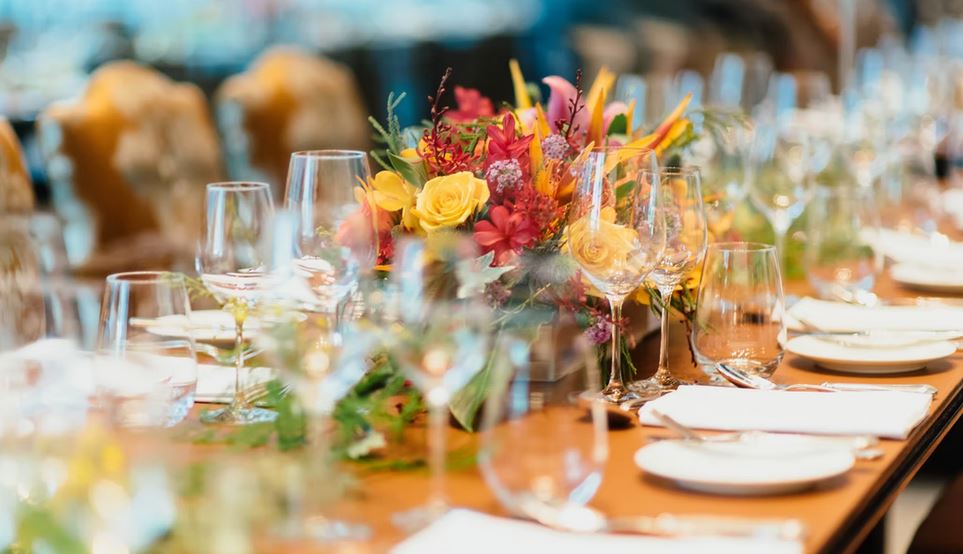
With this option, guests are seated at assigned tables while servers bring each course directly to them. Many couples choose a plated dinner because it creates an elegant dining experience and allows the evening to follow a planned timeline.
A sit-down reception is also ideal for including speeches, wedding toasts, and special moments throughout the meal. Since guests remain seated, it is easier for everyone to focus on the couple and participate in the celebration.
While a plated dinner may require fewer food options than a buffet, couples can still create a memorable menu by offering guests choices for their main course, such as chicken, seafood, vegetarian options, or other specialties.
The cost of a sit-down dinner will depend on the menu, service staff, and venue requirements. Although fewer food choices may be needed, additional staffing can increase the overall expense.
Consider Your Wedding Style and Guests
When deciding between a buffet and a sit-down dinner, think about the type of wedding experience you want to create.
A buffet may be a better choice if you want:
- A relaxed and social atmosphere
- More food variety for guests
- Flexible serving options
- A casual celebration
A sit-down dinner may be the better choice if you want:
- A formal and elegant reception
- A structured timeline
- A traditional dining experience
- More focus on speeches and wedding traditions
You should also consider your guests’ needs. Elderly guests, guests with mobility challenges, and those with dietary restrictions may have different needs when it comes to meal service.
Work Closely With Your Caterer
Your caterer plays an important role in bringing your wedding dinner vision to life. During the planning process, discuss your budget, preferred menu options, guest count, dietary requirements, and the style of service you want.
Ask questions about:
- Menu customization
- Vegetarian and allergy-friendly options
- Beverage service
- Dessert choices
- Timing and meal service
- Additional fees
A professional caterer can offer valuable suggestions and help you create a menu that fits your wedding style and budget.
Don’t Forget the Overall Reception Timeline
Your dinner service is just one part of your wedding reception. A well-planned timeline helps ensure the evening flows smoothly from cocktails and dinner to speeches, dancing, and special traditions.
Be sure to allow enough time for:
- Guest seating
- Meal service
- Wedding speeches
- Cake cutting
- First dances
- Entertainment
Careful planning helps prevent delays and allows you and your guests to enjoy every moment of the celebration.
Final Thoughts

Your wedding dinner reception is more than just a meal. It is an opportunity to celebrate with the people you love and create memories that will last a lifetime.
Whether you choose a buffet-style reception or a formal sit-down dinner, the most important thing is selecting an option that feels right for you as a couple. With thoughtful planning, a realistic budget, and good communication with your caterer, your wedding reception can become one of the most unforgettable parts of your special day.
For more wedding planning advice, explore our related guide on Wedding Planning Mistakes First-Time Couples Make to help you avoid common challenges and enjoy a smoother planning experience.