
6 min read
1143 words
As the temperatures climb and the summer months settle in, the pressure to find an effective and affordable cooling solution becomes urgent. While central air conditioning offers whole-house comfort, it is often prohibitively expensive, impractical for renters, or overkill for cooling a single bedroom or home office. Enter the portable air conditioner (portable AC): a versatile, budget-friendly cooling device that offers precision control over your indoor climate..
If you’re seeking flexible, non-permanent temperature relief, this comprehensive guide will walk you through the mechanisms, core benefits, and critical factors needed to choose the perfect portable AC unit to keep you comfortable all season long.
Understanding the Mechanics of Portable Air Conditioners
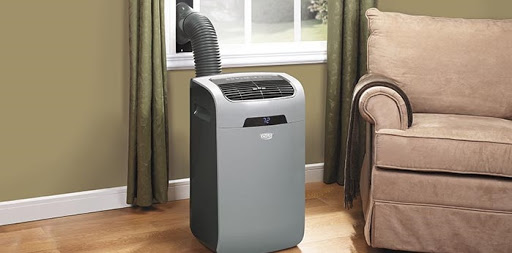
A portable air conditioner is a self-contained, wheeled appliance designed to cool specific areas without requiring permanent installation. They operate on the same fundamental principles as traditional cooling systems (using refrigerant to remove heat), but package the entire process into a mobile unit.
How Portable ACs Work
These units draw in warm air from the room, run it over chilled coils (which contain the refrigerant), and then release the cooled air back into the space. Crucially, the process of removing heat generates hot exhaust air. This hot air, along with any moisture extracted from the air (condensate), must be vented outside through a flexible exhaust hose inserted into a nearby window or sliding door vent kit.
Single-Hose vs. Dual-Hose Systems (An SEO Deep Dive)
When evaluating models, you will encounter two primary types, which significantly impact efficiency:
| System Type | Description | Efficiency Impact | Ideal Use Case |
|---|---|---|---|
| Single-Hose | Draws all air from the room to cool the condenser coils and exhaust the heat outside. This creates a negative pressure environment in the room, causing warm air from adjacent rooms or cracks in doors/windows to be pulled in. | Less energy efficient; best for quick, temporary cooling. | Small bedrooms or occasional use. |
| Dual-Hose | Uses one hose to draw exterior air for cooling the internal motor and coils, and the second hose to exhaust the resulting hot air. This isolates the cooling process from the room air. | Significantly more energy efficient; maintains better air pressure balance. | Larger rooms or spaces requiring sustained, reliable cooling. |
The Unmatched Benefits of Choosing a Portable AC
Choosing a portable air conditioning solution provides distinct advantages over traditional window units or central HVAC systems, making them a top choice for apartment dwellers, specific home zones, and temporary spaces.
1. Superior Portability and Flexibility
The most obvious benefit of a portable unit is its mobility. Equipped with built-in casters or handles, these devices can be easily wheeled from your home office during the day to your bedroom at night. This flexibility allows you to practice zone cooling, optimizing comfort where it’s needed most without wasting energy on empty rooms.
2. Simple, Non-Permanent Installation
Unlike bulky window units that block natural light and require complicated mounting hardware, portable ACs require no permanent installation. The setup typically involves affixing the vent kit into a window frame and connecting the exhaust hose—a process often completed in minutes. This makes them ideal for rental properties, dorm rooms, or historic homes where structural modifications are prohibited.
3. Cost-Effective Cooling Solution
Portable ACs are generally much more affordable than implementing or repairing central air conditioning systems. Furthermore, using a portable unit for targeted cooling allows homeowners with central air to raise their thermostat settings, leading to substantial energy savings on their monthly utility bills.
4. Easy Off-Season Storage
When the cooling season ends, portable AC units can be disconnected, rolled into a hall closet or garage, and easily stored away. This removes the obstruction caused by window-mounted units and preserves the aesthetic appeal of your home during the cooler months.
Choosing the Right Portable AC: Key Selection Factors
To ensure you invest in a unit that delivers effective, efficient cooling, you must match the unit’s capacity and features to your specific needs. Here are the essential factors to consider:
1. Calculating Cooling Power: Understanding the BTU Rating (British Thermal Unit)
The BTU rating is the single most critical factor, representing the cooling capacity of the unit. Choosing the wrong BTU can lead to inefficient operation—too low, and the AC struggles to cool the space; too high, and it cycles on and off too frequently, failing to properly dehumidify the air.
Use this simple guideline to match the portable AC BTU rating to your room size:
| Room Square Footage (Sq. Ft.) | Required BTU Rating |
|---|---|
| 150 – 250 Sq. Ft. | 6,000 – 8,000 BTU |
| 250 – 350 Sq. Ft. | 8,000 – 10,000 BTU |
| 350 – 450 Sq. Ft. | 10,000 – 12,000 BTU |
| 450 – 550 Sq. Ft. | 12,000 – 14,000 BTU |
Tip: If the room is very sunny, has high ceilings, or houses high-heat appliances (like a kitchen), consider increasing the required BTU by about 10–20%.
2. Energy Efficiency Ratio (EER)
For sustained energy savings, look for a model with a high Energy Efficiency Ratio (EER). This ratio measures the cooling output (BTU) divided by the power input (watts). A higher EER number indicates better energy performance and lower operational costs over the unit’s lifetime.
3. Noise Level (Decibel Rating)
Portable AC units, especially older or high-powered models, can be noisy due to the compressor and fan. If the unit is intended for a bedroom or a quiet office, check the decibel (dB) rating. Aim for models under 55 dB, which is comparable to moderate conversation. Many modern units feature a “Sleep Mode” that runs the unit at a quieter, lower fan speed.
4. Condensate Drainage and Maintenance
As the unit cools the air, it simultaneously pulls moisture out of the environment. This condensate water must be managed. Portable ACs typically use one of three methods:
- Self-Evaporating: Most popular; the unit uses some of the condensate to cool the coils, evaporating the rest out the exhaust hose. (Requires little manual intervention.)
- Manual Drainage: Requires the user to periodically empty a built-in water tank or drain pan.
- Pump Drainage: Used in high-humidity areas, a pump continuously pushes the condensate water out through a small drain hose.
Maximizing Your Portable AC Efficiency
To ensure your investment delivers maximum comfort and efficiency, follow these best practices:
- Seal the Vent Properly: Ensure the window kit used for the exhaust hose is tightly sealed. Any gaps will allow warm outside air to leak back in, nullifying your cooling efforts.
- Minimize Thermal Gain: Close blinds, shutters, or curtains during the hottest parts of the day to reduce the thermal load on the room.
- Regular Filter Cleaning: Clean or replace the air filter every two to three weeks. A clogged filter severely reduces the unit’s cooling capacity and increases energy consumption.
Conclusion: Cooling Flexibility is Within Reach
Portable air conditioners offer a truly versatile, budget-friendly cooling solution for adults seeking targeted relief without the hassle of permanent installation. By understanding the critical role of the BTU rating, prioritizing energy efficiency, and choosing a system that matches your space, you can select the perfect unit to keep you cool and comfortable, no matter how high the mercury rises.
 Debbie Price
  Leo Allen
I just picked up a Hisense from Canadian Tire. It appears to be working pretty well keeping the living room cool.