
6 min read
1049 words
The holiday season is a sensory experience. It’s the twinkle of lights, the sound of laughter, and, most importantly, the aroma of a home-cooked feast wafting from the kitchen. While traditional recipes hold a special place in our hearts, there is an undeniable magic in the spices that define this time of year. If you feel like your holiday menu is stuck on repeat, it might be time to rethink your spice rack. To truly add spice to your holiday cooking, you don’t need to abandon tradition—you just need to enhance it. Whether you are roasting a turkey, baking cookies, or simmering a winter soup, the right blend of spices can elevate your dishes from ordinary to extraordinary.
Here is your guide to mastering the art of festive flavor.
The Essential Warming Spices for Winter
When we talk about adding spice to holiday cooking, we are usually referring to “warming spices.” These are the aromatic seasonings that evoke feelings of comfort, warmth, and nostalgia. Stocking your pantry with these essentials is the first step toward a memorable holiday menu.
1. Cinnamon
The undisputed king of holiday spices. Cinnamon adds a sweet, woody warmth that works in both savory and sweet dishes. Look for Ceylon cinnamon for a milder, more complex flavor, or Cassia cinnamon for that bold, classic holiday punch.
- Best for: Stuffing, roasted sweet potatoes, apple pies, and hot beverages.
2. Nutmeg
Nutmeg is earthy, slightly sweet, and incredibly potent. A little goes a long way. Freshly grated nutmeg offers a superior flavor compared to the pre-ground variety.
- Best for: Creamy sauces (like béchamel for lasagna), eggnog, pumpkin pie, and mashed potatoes.
3. Cloves
Pungent and peppery, cloves provide a deep intensity. They are often used whole in braised dishes or ground in baking.
- Best for: Glazed hams, mulled wine, gingerbread, and poached pears.
4. Ginger
Whether fresh, ground, or crystallized, ginger adds a zesty, spicy kick that cuts through rich, heavy holiday foods. It aids digestion, making it a perfect addition to a heavy meal.
- Best for: Roasted carrots, cookies, chutneys, and marinades for poultry.
5. Cardamom
Often called the “Queen of Spices,” cardamom has a complex profile—floral, citrusy, and slightly minty. It adds an exotic, sophisticated twist to traditional holiday flavors.
- Best for: Coffee cakes, rice puddings, and spiced chai teas.
How to Incorporate Spices into Savory Holiday Dishes
Many people associate spices strictly with desserts, but the secret to a show-stopping main course lies in the savory application of seasonings. Here is how to balance these flavors in your holiday proteins and sides.
Elevate Your Roast
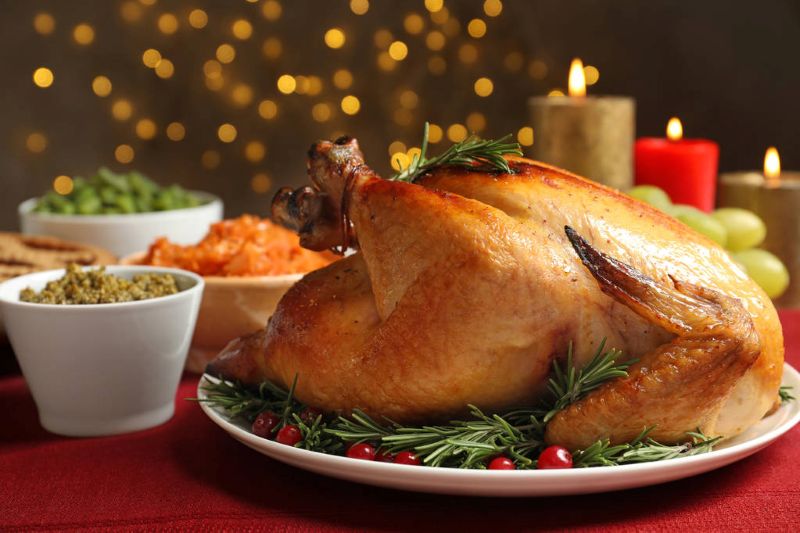
A standard salt-and-pepper rub is good, but a spiced rub is better. For a turkey or roast chicken, create a compound butter softened with sage, thyme, rosemary, and a pinch of nutmeg. Rub this mixture under the skin to keep the meat moist and flavorful.
- Pro Tip: Stuff the cavity of the bird with whole cloves, garlic cloves, and a halved lemon. As the bird roasts, the steam will carry these aromatics throughout the meat.
Reinvent the Side Dish
Mashed potatoes and roasted vegetables are holiday staples, but they are also blank canvases for spices.
- Potatoes: Stir in a dash of smoked paprika and nutmeg into your mash for warmth and color.
- Root Vegetables: Toss carrots, parsnips, and beets with olive oil, cumin, coriander, and a touch of cinnamon before roasting. The heat caramelizes the natural sugars in the veggies, intensified by the spices.
- Brussels Sprouts: Roast with balsamic vinegar and a sprinkle of chili flakes to add a gentle heat that contrasts with the bitterness of the sprouts.
Sweet Endings: Baking with Spices
Baking is where holiday spices truly shine. The key to professional-tasting baked goods is the “bloom.” Blooming spices involves heating them gently in fat (like butter or oil) before adding them to your batter. This releases their essential oils and intensifies the flavor.
When baking cookies, cakes, or pies:
- Measure accurately: Spices can easily overpower a dish. Use measuring spoons rather than eyeballing.
- Mix dry ingredients first: Whisk your spices into your flour or sugar before adding wet ingredients to ensure even distribution.
- Experiment with blends: Create your own signature blend. A mix of cinnamon, ginger, and allspice is classic, but adding a pinch of black pepper can add a surprising and delightful complexity to chocolate desserts.
Practical Tips for the Home Cook
To truly add spice to your holiday cooking, you need to treat your spices with respect. Here are a few quick tips to ensure maximum flavor:
- Check Expiration Dates: Spices lose potency over time. Ground spices generally last 6 months to a year, while whole spices can last up to two years. If your cinnamon doesn’t smell like much when you open the jar, it’s time to replace it.
- Buy Whole When Possible: Whole spices (like nutmeg, cloves, and peppercorns) retain their flavor much longer than pre-ground versions. Invest in a cheap coffee grinder or mortar and pestle to grind them fresh right before use.
- Taste as You Go: Spices interact with other ingredients. Acidic ingredients (like lemon juice or vinegar) can mellow strong spices, while salt can enhance them. Always taste your dish before serving and adjust the seasoning if needed.
A Simple Recipe to Get You Started
Cinnamon-Cardamom Roasted Carrots
- Ingredients:
- 1 lb carrots, peeled and sliced diagonally
- 2 tbsp olive oil
- 1/2 tsp ground cinnamon
- 1/4 tsp ground cardamom
- Salt and pepper to taste
- Fresh parsley for garnish
- Instructions:
- Preheat your oven to 400°F (200°C).
- In a large bowl, toss the carrots with olive oil until coated.
- Sprinkle the cinnamon, cardamom, salt, and pepper over the carrots. Toss again to ensure even coverage.
- Spread the carrots in a single layer on a baking sheet.
- Roast for 20–25 minutes, tossing halfway through, until tender and caramelized.
- Garnish with fresh parsley and serve warm.
Conclusion
The holidays are a time for gathering, celebrating, and eating well. By understanding the power of spices, you can transform your cooking into a sensory journey that your guests will remember long after the last plate is cleared. Don’t be afraid to experiment—add a pinch of this, a dash of that, and discover how easy it is to add spice to your holiday cooking.
Start exploring your spice rack today, and make this holiday season your most flavorful yet.
 Lisa
Lisa  Gracie Davis
  Nancy Whitmore