
What to Do With Extra Money: 8 Smart Ideas
9 min read
1611 words
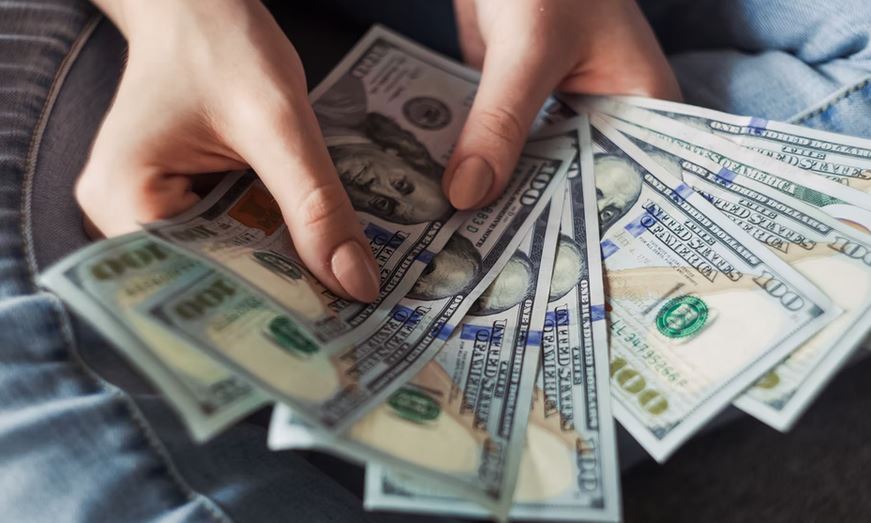
We’ve all experienced that pleasant surprise when our bank account has a little more money than expected. Perhaps it’s a work bonus, a tax refund, a gift, or simply a month when we spent less than planned. Whatever the reason, having extra cash creates an opportunity to make choices that can benefit us now and in the future.
Deciding how to use that money isn’t always easy. You might want to treat yourself, learn something new, improve your home, or put more toward your financial goals. The best choice depends on your current circumstances, priorities, and what matters most to you.
If you’re wondering what to do with extra money, here are eight practical ideas to help you make the most of it, from improving your financial security to enjoying something special.
Investing in Yourself
One of the most worthwhile ways to use extra money is to invest in your own development. Learning new skills, exploring interests, and taking care of your well-being can improve your quality of life and open doors to new opportunities.
Online Courses and Workshops
Learning doesn’t have to stop when formal education ends. Online courses and workshops make it easier to explore a new interest or develop skills that could benefit your career.
Platforms such as Coursera, Udemy, and Skillshare offer courses in subjects ranging from digital photography and creative writing to programming and digital marketing. Local colleges and community centres may also offer affordable classes.
Think about a skill you’ve wanted to learn or an area where you’d like to improve. A course could help you advance professionally, explore a potential career change, or develop a hobby you enjoy. Before enrolling, compare course costs, reviews, and what you’ll actually gain from the experience.
Books and Educational Resources
A good book can introduce you to new ideas, help you solve a problem, or inspire you to pursue a personal goal. If you have extra money available, consider choosing books that support your interests, career development, or financial knowledge.
You don’t have to buy everything new. Used bookstores, library book sales, second-hand marketplaces, e-books, and audiobooks can make learning more affordable.
Whether you’re interested in personal finance, gardening, technology, cooking, or biographies, spending a little money on knowledge can provide value long after you’ve finished reading.
Wellness Activities and Self-Care
Taking care of yourself is another worthwhile use of extra cash. Depending on your interests and budget, you might consider a gym membership, a yoga class, swimming lessons, or a meditation app.
Self-care doesn’t have to involve expensive memberships or subscriptions. It could mean purchasing comfortable walking shoes, joining a local recreational group, or setting aside money for an activity that helps you relax.
The important thing is to choose something that fits your needs and lifestyle. Spending money on your well-being can be worthwhile when it helps you feel better, stay active, or manage everyday stress.
Smart Spending for a Secure Future
Sometimes, the most beneficial use of extra money isn’t particularly exciting. Paying down debt, building savings, and taking care of your home can reduce future expenses and make everyday life less stressful.
Pay Down High-Interest Debt
It might not provide the immediate excitement of a new purchase, but paying down debt can offer lasting financial benefits. Credit cards and certain personal loans can carry high interest rates, meaning a significant portion of each payment may go toward interest rather than reducing the amount you owe.
Putting extra money toward high-interest debt can reduce interest costs and help you become debt-free sooner. Before making additional payments on a mortgage or other lower-interest loan, compare the interest rate with your other financial obligations and check whether any prepayment penalties apply.
If managing several debts has become difficult, experts at Litvack Group can help you explore options for consolidating your debts into one monthly payment. Depending on the terms, consolidation may simplify repayment, although fees, interest rates, and the total amount you’ll repay should be considered carefully.
Paying off debt sooner can free up more of your monthly income for savings, future purchases, and experiences you enjoy. Even a modest additional payment can be a useful step toward greater financial flexibility.
Build or Boost Your Emergency Fund
Unexpected expenses can disrupt even the most carefully planned budget. A vehicle repair, an appliance that suddenly stops working, or a period without employment can quickly put pressure on your finances.
An emergency fund gives you money to draw on when these situations arise, reducing the need to rely on credit cards or loans.
A common goal is to save three to six months’ worth of essential living expenses. If that seems out of reach, start with a smaller target, such as $500 or $1,000, and build gradually as your budget allows.
Consider keeping this money in an accessible savings account, ideally one offering a competitive interest rate without fees or withdrawal restrictions that would interfere with emergency access.
Having savings available won’t prevent every financial setback, but it can make unexpected expenses easier to manage.
Strategic Home Improvements
Extra money can also be put toward maintaining or improving your home. Small projects may make everyday life more comfortable while helping you avoid larger expenses later.
Fixing a leaking faucet, repairing damaged caulking, replacing worn weatherstripping, or addressing a minor maintenance problem can prevent further damage. Energy-efficient lighting and appliances may also help reduce household operating costs, depending on their purchase price and energy savings.
If you’re considering cosmetic improvements, such as painting a room or updating your landscaping, choose projects that suit your budget and priorities.
Not every renovation increases a home’s resale value, so consider the cost carefully before taking on a major project. Sometimes, the best investment is simply keeping your home in good condition and making it a more enjoyable place to live.
A Little Bit of Joyful Indulgence
Financial responsibility doesn’t mean you have to save every extra dollar. Once urgent expenses are covered and you’re making progress toward your financial goals, setting aside some money for enjoyment can be a reasonable part of your plan.
Experiences Over Material Things
A memorable experience can provide enjoyment long after the day itself has passed. Rather than purchasing another item you may rarely use, consider spending some of your extra money on an activity you’ve been looking forward to.
You might buy concert tickets, plan a weekend getaway, take a cooking class, enjoy a spa treatment, or arrange a special dinner with family or friends.
Experiences can also provide opportunities to spend quality time with people who matter to you. The best choice doesn’t have to be expensive. A local attraction, a day trip, or a special outing can create lasting memories without putting pressure on your budget.
Support Local Businesses
Another way to enjoy your extra money is to spend some of it in your community. Independent shops, local restaurants, cafés, and artisans often offer products and experiences that reflect the character of the area.
You could try a new neighbourhood restaurant, purchase a handmade gift, visit a local market, or support a small business you’ve wanted to explore.
Shopping locally can help support independent entrepreneurs and contribute to the local economy. As with any purchase, compare prices and choose businesses that offer something you genuinely value.
A Small, Thoughtful Indulgence
Sometimes, a small treat is all you need to enjoy a little extra breathing room in your budget. It might be a favourite coffee, a new video game, a skincare product, or something useful for a hobby.
The key is to make the purchase intentionally rather than spending simply because the money is available. Choose something you will appreciate and can comfortably afford.
You don’t need to feel guilty about every non-essential purchase. When your essential expenses and financial priorities are being addressed, allowing yourself a reasonable amount for enjoyment can make a budget feel more balanced and sustainable.
How to Decide What to Do With Extra Money

If you’re still unsure how to use your extra cash, start by looking at your current financial situation.
Consider this order of priorities:
- Cover essential expenses. Make sure your regular bills, housing costs, food, and other necessities are taken care of.
- Address expensive debt. If you carry high-interest balances, paying them down may save you money over time.
- Build emergency savings. Start with a manageable amount and work toward a cushion that suits your circumstances.
- Plan for upcoming expenses. Set aside money for vehicle maintenance, home repairs, education, or other foreseeable costs.
- Enjoy some of the remainder. If your financial situation allows, use a portion for a personal goal, an experience, or a small treat.
These aren’t rigid rules. Someone with stable savings and no expensive debt may have more freedom to spend on a course or holiday, while someone facing overdue bills may benefit most from using the money to regain financial stability.
The goal is to make a decision that helps you today without creating unnecessary problems tomorrow.
Make Your Extra Money Count
Having extra money provides an opportunity to make progress toward something important. You could use it to reduce debt, strengthen your savings, improve your home, learn a new skill, or enjoy an experience with family and friends.
There is no single answer that works for everyone. Your income, expenses, responsibilities, and personal goals all influence the best decision.
Before spending, take a moment to consider what would make the biggest difference in your life. A thoughtful financial choice doesn’t have to be complicated or involve a large amount of money. Even a modest sum can help you move closer to greater financial security, personal growth, or something you’ve been looking forward to enjoying.





Good suggestions; thanks!