

8 min read
1529 words
The landscape of work has undergone a revolutionary transformation over the past few years, with working from home (WFH) evolving from a niche perk to a mainstream reality for millions worldwide. While offering unparalleled flexibility and autonomy, this shift also introduces a unique set of challenges that can impact productivity, mental well-being, and work-life balance. The comfort of your own home can quickly become a blurred boundary if not managed effectively.
Navigating the intricacies of a remote work setup requires more than just a reliable internet connection and a laptop; it demands discipline, strategic planning, and a proactive approach to maintaining both professional efficacy and personal health. For many, the initial novelty of ditching the commute and office attire has given way to a need for sustainable strategies that foster a productive and fulfilling remote work experience. Whether you’re a seasoned remote professional or newly adapting to this model, understanding and implementing key practices is crucial for long-term success. This article delves into three essential tips designed to empower you to thrive in your remote role, ensuring that working from home becomes not just a necessity, but a truly efficient and enjoyable way to contribute.
Tip 1: Cultivating a Dedicated Workspace and Routine

One of the most foundational elements of successful working from home is the establishment of a clear boundary between your professional and personal life. Without a physical separation, the lines can quickly blur, leading to constant distractions, difficulty in disengaging, and ultimately, burnout. The first critical step is to designate a specific, dedicated workspace. This doesn’t necessarily mean an entire home office, though that would be ideal. It could be a corner of a room, a particular desk, or even a specific chair that you only use for work-related tasks. The key is consistency; by associating a physical space with work, you mentally prime yourself for productivity when you enter it and allow yourself to truly switch off when you leave.
Beyond the physical space, establishing a consistent daily routine is paramount. In a traditional office setting, the commute, fixed break times, and the presence of colleagues naturally structure your day. At home, you need to create this structure yourself. Start by waking up at a consistent time, just as you would for an office job. Get dressed, even if it’s just into comfortable but presentable clothes, to signal to your brain that the workday is beginning. Set clear start and end times for your workday and, crucially, stick to them. This discipline prevents work from spilling over into personal hours, protecting your evenings and weekends.
Incorporate regular breaks into your routine. Short, frequent breaks can significantly boost productivity and reduce fatigue. These aren’t just for grabbing a snack; use them to step away from your screen, stretch, walk around, or even briefly engage in a non-work-related activity. A structured lunch break, away from your desk if possible, is also vital for refreshing your mind. Minimizing distractions within your dedicated workspace is equally important. Inform household members of your work hours, mute non-essential notifications on your phone, and avoid multitasking with household chores during work time. By creating a physical and temporal framework for your work, you build the necessary discipline to maintain focus, manage your time effectively, and leave work behind when the day is done. This structured approach helps mimic the benefits of an office environment while retaining the flexibility of remote work, leading to sustained productivity and a healthier work-life integration.
Tip 2: Mastering Effective Communication and Collaboration
In a remote environment, the informal interactions that often happen organically in an office – a quick chat by the coffee machine, a desk-side question, or an impromptu brainstorming session – are no longer readily available. This necessitates a proactive and deliberate approach to communication and collaboration. The second crucial tip for successful working from home is to master the various digital tools and best practices that facilitate clear, concise, and consistent interaction with your colleagues, managers, and clients. Poor communication is a leading cause of misunderstanding, delays, and decreased morale in remote teams, making its optimization non-negotiable.
Embrace a diverse toolkit of communication platforms. Video conferencing tools like Zoom, Microsoft Teams, or Google Meet are indispensable for team meetings, one-on-one check-ins, and client presentations. They allow for non-verbal cues to be read, fostering a closer connection than voice calls alone. Instant messaging platforms such as Slack or Teams chat are perfect for quick questions, urgent updates, and informal interactions, helping to mimic the speed of in-person communication. For project management and task tracking, tools like Asana, Trello, or Jira provide transparency on progress, responsibilities, and deadlines, ensuring everyone is on the same page. Shared document platforms like Google Docs or Microsoft 365 enable real-time collaboration on files, eliminating version control issues and streamlining feedback processes.
Beyond the tools, the how of communication is vital. Over-communication, within reason, is often better than under-communication in a remote setting. Be explicit in your messages, provide context, and clarify expectations. Don’t assume others know what you’re working on or what issues you might be facing; proactive updates are key. When participating in video calls, ensure you have a professional background, good lighting, and proper audio. Be present, engage actively, and avoid multitasking. For asynchronous communication like email, be precise with your subject lines and structure your messages clearly. Set boundaries for when you respond to messages to avoid feeling “always on,” but communicate those boundaries to your team. Regularly check in with colleagues, not just about work, but also to maintain social connections, which can combat feelings of isolation. By consciously developing strong communication habits and leveraging technology effectively, remote teams can overcome geographical distances and build a cohesive, productive working relationship that rivals, or even surpasses, traditional office environments.
Tip 3: Prioritizing Well-being and Preventing Burnout
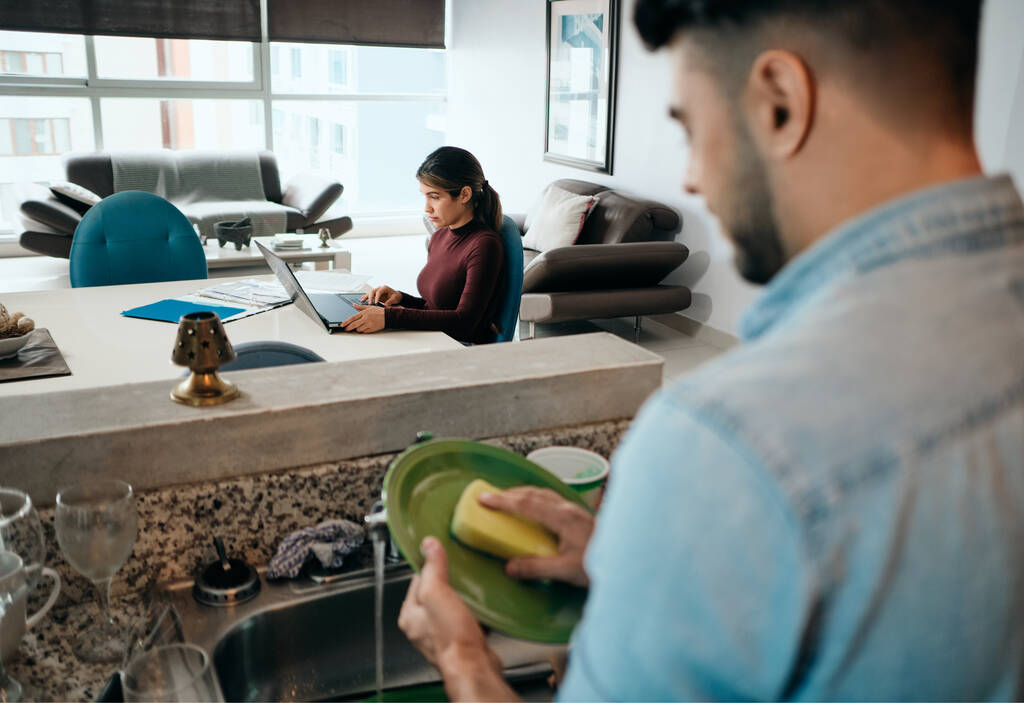
The allure of working from home can sometimes mask its potential downsides, particularly the increased risk of burnout. The absence of a clear separation between work and personal life, combined with the self-imposed pressure to be constantly available, can quickly lead to mental fatigue, stress, and a diminished sense of well-being. The third, and arguably most critical, tip for thriving in a remote work setup is to proactively prioritize your physical and mental health. This means consciously implementing strategies to disengage from work, manage stress, and maintain a healthy lifestyle, even when your office is just steps away from your living room.
One of the most effective strategies is to create a “digital commute” at the beginning and end of your workday. This could involve a short walk before sitting down to work, or a deliberate activity like listening to a podcast or meditating after logging off. This ritual helps your brain transition between work mode and home mode, signaling an official start and end to your professional responsibilities. Equally important is to set firm boundaries around your work hours. Resist the temptation to check emails late into the evening or start work early on weekends. Turn off work notifications on your personal devices outside of work hours. This discipline is essential for protecting your personal time and allowing for proper rest and rejuvenation.
Physical activity is another cornerstone of well-being. With no commute and fewer opportunities for incidental movement, it’s easy to become sedentary. Schedule regular exercise into your daily routine, whether it’s a dedicated workout, a brisk walk during your lunch break, or stretching sessions throughout the day. Ensure your workspace is ergonomic to prevent aches and pains. Nutrition also plays a crucial role; opt for healthy, balanced meals and stay hydrated, avoiding the trap of constant snacking or relying on processed foods. Beyond the physical, actively nurture your mental health. Stay connected with friends and family, engage in hobbies, and pursue activities that bring you joy. If feelings of isolation or stress persist, don’t hesitate to seek support from a therapist or mental health professional. Taking regular breaks throughout the day, as mentioned in Tip 1, also contributes significantly to preventing mental fatigue. By consciously investing in your well-being, you not only prevent burnout but also enhance your overall productivity, creativity, and job satisfaction, making the work-from-home experience sustainable and genuinely rewarding.
Working from home offers a unique blend of autonomy and flexibility that can significantly enhance one’s professional and personal life. However, its success is not guaranteed merely by the absence of a traditional office. It requires a thoughtful, disciplined, and proactive approach to managing your environment, your interactions, and your personal well-being. By diligently cultivating a dedicated workspace and routine, mastering effective communication and collaboration, and prioritizing your physical and mental health, you lay the groundwork for a truly productive and fulfilling remote career.
Embracing these three top tips will transform the way you perceive and engage with your work from home. They are not merely suggestions but fundamental pillars upon which a sustainable and successful remote work life is built. As the world continues to adapt to evolving work models, those who intentionally implement these strategies will not only navigate the new landscape with ease but will also unlock their full potential, proving that productivity, balance, and well-being can indeed coexist beautifully within the comfort of one’s own home.
 Alan Harris
  Kate M
  Carly
Carly