
6 min read
1050 words
As a homeowner, you’re the guardian of your family’s sanctuary. You meticulously choose the paint colors, ensure sturdy locks on the doors, and create cozy spaces for memories to bloom. But have you ever stopped to think about what’s flowing through the very veins of your home – the water? While our municipal water treatment facilities work diligently to deliver potable water, the journey from treatment plant to your faucet can introduce a host of unwelcome guests. This is where a home water filtration system isn’t just a luxury; it’s a smart investment in your family’s well-being and the health of your home.
Why You Need a Home Water Filtration System: Beyond the Surface
You might be thinking, “My water looks clear, so it must be fine.” While visual clarity is a good start, it’s only part of the story. The real concerns often lie beneath the surface, impacting your water in ways you might not immediately detect.
1. Taste and Odor: The Subtle Yet Significant Shift
Let’s be honest, who enjoys a glass of water that tastes vaguely like a swimming pool or has a metallic tang? Chlorine, a vital disinfectant used by water treatment plants, is a common culprit behind that distinctive and often unpleasant taste and smell. Beyond chlorine, other dissolved solids and minerals can contribute to off-flavors. A good water filtration system can act as a taste and odor detective, effectively stripping away these compounds and leaving you with water that’s not just safe, but genuinely refreshing. Imagine the difference this can make – from enjoying a crisp glass of water to creating better-tasting coffee, tea, and even improving the flavor of your cooked meals.
2. Improved Health: Protecting Your Loved Ones from Hidden Threats
This is arguably the most compelling reason to consider a home water filtration system. While treatment facilities aim to eliminate harmful contaminants, trace amounts can still slip through. Lead, a particularly concerning heavy metal that can leach from aging pipes, poses significant health risks, especially to children, impacting cognitive development. Mercury, pesticides, and other industrial byproducts are also potential contaminants that a simple filtration system can effectively tackle. Furthermore, microscopic organisms like bacteria, viruses, and parasites, while less common in treated city water, can still find their way into your plumbing, especially if you have an older well system or experience disruptions in the municipal supply. A multi-stage filtration system can provide an added layer of protection, giving you peace of mind that your family is drinking truly clean water.
3. Protection for Your Home: Saving Your Pipes and Appliances
Hard water is a silent saboteur of your home’s infrastructure. Characterized by high mineral content, primarily calcium and magnesium, hard water doesn’t just leave unsightly spots on your fixtures. Over time, these minerals build up within your pipes, reducing water flow and putting a strain on your water heater, dishwasher, washing machine, and even your coffee maker. This buildup can lead to decreased efficiency, increased energy consumption, and eventually, costly repairs or premature appliance replacement. A water softener, often integrated into a comprehensive filtration system, can effectively neutralize these minerals, prolonging the lifespan of your appliances and keeping your plumbing in optimal condition.
How to Choose the Right Home Water Filtration System: Navigating the Options
With the growing awareness of water quality, the market for home water filtration systems has expanded significantly. This can be both good and overwhelming! To make an informed decision, consider these key factors:
1. Type of Contaminants: Know Your Enemy
The first step is understanding what’s actually in your water. If you suspect specific issues like lead or sediment, look for systems that are certified to remove those particular contaminants. Many municipalities offer water quality reports, or you can opt for a home water testing kit. Once you know your water’s profile, you can target the most effective filtration technology.
2. Type of Filtration System: A Spectrum of Solutions
- Activated Carbon Filters: These are the most common and accessible. Activated carbon is incredibly porous, attracting and trapping a wide range of contaminants like chlorine, volatile organic compounds (VOCs), and some sediment. They are often found in pitcher filters, faucet-mounted filters, and under-sink systems.
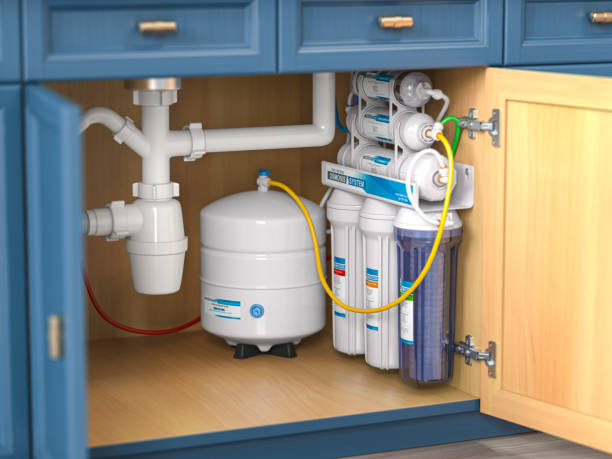
- Reverse Osmosis (RO) Systems: These are highly effective, using a semi-permeable membrane to remove an extensive list of impurities, including dissolved salts, heavy metals, bacteria, and viruses. RO systems typically involve multiple stages and are often installed under the kitchen sink, delivering purified water through a dedicated faucet.
- UV Light Systems: These systems don’t filter out contaminants but rather use ultraviolet light to neutralize bacteria, viruses, and other microorganisms, rendering them harmless. UV systems are often used in conjunction with other filtration methods, particularly for well water or as a final purification step.
- Water Softeners: As mentioned, these systems are specifically designed to remove calcium and magnesium, the culprits behind hard water. They typically use an ion exchange process.
3. Cost: A Budget for Brighter Water
Prices can range from under $50 for a basic pitcher filter to several thousand dollars for a whole-house RO system. Consider not only the initial purchase price but also the ongoing costs of filter replacements, maintenance, and potential professional installation. A more expensive system upfront might save you money in the long run through reduced appliance repair costs and fewer bottled water purchases.
4. Ease of Installation and Maintenance: DIY or Pro?
Some systems, like faucet filters or pitcher filters, require no installation. Under-sink systems are generally manageable for those with some DIY plumbing experience, often taking an hour or two. Whole-house systems, which filter water for your entire home, typically require professional installation due to their complexity and integration with your main water line. Similarly, consider how often filters need to be replaced and if the process is straightforward or requires a service call.
In conclusion, a home water filtration system is a proactive step towards safeguarding your family’s health and protecting your home’s infrastructure. By understanding the potential impurities in your tap water and carefully considering the various filtration options available, you can make an informed choice that brings you peace of mind and, most importantly, consistently clean, safe, and great-tasting water for everyone in your household. It’s an investment in your family’s well-being that truly flows through every aspect of your daily life.
 Leo Allen
  Carly
Carly
Thanks for the wonderful post and all the information !
I have well water and all I need to use is my water softener, which is good, I don’t have to worry about all these water filters