
6 min read
1145 words
Bringing a new baby home is an exercise in love, joy, and overwhelming responsibility. You meticulously plan the nursery, research the safest car seats, and fill your cart with products promising comfort, development, and peace of mind. The modern baby market is a dazzling landscape of gadgets and gear, all designed to appeal to one core parental instinct: the fierce, unwavering desire to keep your child safe.
But what if some of these well-marketed, seemingly indispensable items were not just unnecessary, but actively dangerous? Beneath the soft fabrics and reassuring promises, certain popular products harbor hidden risks that can lead to tragic and entirely preventable accidents. It’s time to look past the packaging and confront the truth. For the well-being of your precious little one, here are five deceptively dangerous baby products that you should avoid at all costs.
Crib Bumpers: The Deceptively Dangerous Decor
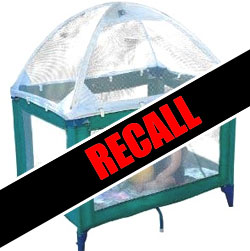
They line the pages of nursery catalogs, promising a soft, protective barrier between your baby and the hard slats of their crib. Crib bumpers seem like a logical addition—a plush cushion to prevent a few minor bumps and bruises. However, leading pediatric and safety experts, including the American Academy of Pediatrics (AAP), are unanimous in their verdict: these decorative items pose a severe suffocation risk.
The danger lies in their very design. A baby can easily roll over, pressing their face into the soft, oxygen-blocking fabric of the bumper, leading to suffocation. Worse, infants can become trapped in the space between the bumper and the mattress or get entangled in the bumper ties. The risk of a fatal accident far outweighs the benefit of preventing a few inconsequential bumps. In fact, the evidence against them is so overwhelming that the sale of crib bumpers is now banned in the United States under the Safe Sleep for Babies Act. The safest sleep environment is a stark one: a firm mattress, a fitted sheet, and nothing else. Bare is best. Don’t let a desire for aesthetics compromise your baby’s life.
Talc-Based Baby Powder: The Unseen Threat in the Air
The scent of baby powder is nostalgic, a classic hallmark of a freshly changed diaper. For generations, parents have dusted it on their babies’ bottoms to absorb moisture and prevent rashes. Yet, this seemingly innocent tradition carries an insidious risk. The primary ingredient in traditional baby powder, talc, is a mineral that, in its natural form, can be found near asbestos, a known carcinogen.
While manufacturers have made efforts to ensure their talc is asbestos-free, the fine particles of the powder itself present a significant respiratory hazard. When shaken into the air, these tiny particles can be easily inhaled by your baby, leading to lung irritation, breathing difficulties, and potentially long-term respiratory problems. Given the thousands of lawsuits linking long-term talc use to serious health issues in adults, is it a risk worth taking with your infant’s developing lungs? The answer is a resounding no. Safer, highly effective alternatives abound, from cornstarch-based powders to simple, protective diaper creams. The safest option of all is often just ensuring your baby’s skin is thoroughly patted dry with a clean cloth.
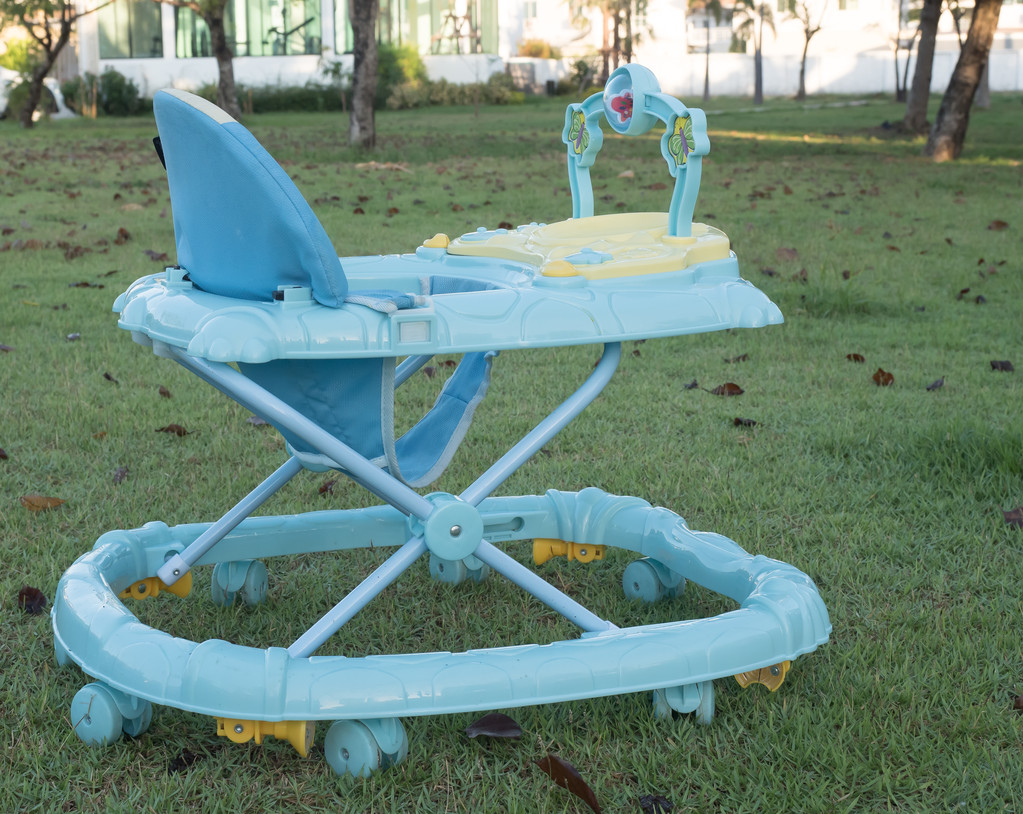
Baby Walkers: A Recipe for Disaster on Wheels
The image is a classic one: a gleeful baby, newly empowered, zipping around the house in a wheeled walker. Parents often buy them believing they help a child learn to walk and provide a safe-contained play space. This could not be further from the truth. Baby walkers do not teach a child to walk; in fact, they can delay motor development by encouraging them to use the wrong muscles.
More urgently, they are a major cause of injury. A baby in a walker can move at a shocking speed—up to three feet per second—giving parents no time to react. This mobility grants them access to a world of household dangers they couldn’t otherwise reach: hot stovetops, dangling electrical cords, unsecured staircases, and household chemicals. Thousands of children are rushed to emergency rooms each year due to falls and burns directly related to walker use. These devices are so dangerous they have been banned entirely in Canada for nearly two decades. Instead of containing your child in a high-speed hazard, encourage natural development with stationary activity centers, play yards, and plenty of supervised “tummy time” on the floor.
Sleep Positioners and Wedges: A Fatal False Promise
Marketed with the ultimate promise—to reduce the risk of SIDS or ease acid reflux—sleep positioners, nests, and wedges prey on a parent’s deepest fears. These products are designed to keep a baby in a specific position, often on their back or slightly inclined. However, the U.S. Food and Drug Administration (FDA) and the Consumer Product Safety Commission (CPSC) have issued urgent warnings against their use, linking them directly to infant deaths.
The tragic irony is that these “safety” devices introduce a deadly hazard into the crib. A baby can wriggle out of position and roll over, only to have their face become trapped against the soft padding of the positioner, leading to suffocation. There is no evidence that these products prevent SIDS. The only proven method to reduce the risk of SIDS is to place your baby on their back, on a firm, flat surface, in a bare crib. Do not fall for the false promise of these fatal products.
Car Seat Mirrors: The Distraction You Don’t Need
The anxiety of driving with a silent, rear-facing baby in the backseat is real. Is she breathing? Is she okay? Car seat mirrors seem like a brilliant solution, allowing you to catch a glimpse of your little one in your rearview mirror. But what provides a moment of reassurance can become a critical danger in a split second.
First, these mirrors are a significant source of driver distraction. Every moment your eyes are on the mirror, they are off the road. A moment is all it takes for an accident to occur. Second, and more terrifyingly, in the event of a crash, that mirror—an aftermarket accessory not tested with your car seat—can become a high-velocity projectile, capable of causing serious injury to your baby or other passengers. Trust in the safety of your properly installed, rear-facing car seat. If you are concerned about your baby, the only safe solution is to pull the car over in a secure location and check on them.
As a parent, you are your child’s first and most important advocate. Navigating the world of baby products can be a minefield, but your greatest tools are knowledge and caution. By understanding the real risks behind these five common items, you can confidently clear them from your home and create a truly safe environment where your little one can thrive. When it comes to safety, simplicity is key, and your informed decisions are your baby’s best protection.
 Emma Lee Scott
  Lisa
Lisa
Wow, great article! Changing tables are like a nightmare to me, my baby almost fell down when I was picking his oils. I never used it again. Come to baby carriers, mine was not stitched properly and the handle came off but by good luck, I was holding my baby. I don’t want to imagine what could have happened. Parents should always be cautious.
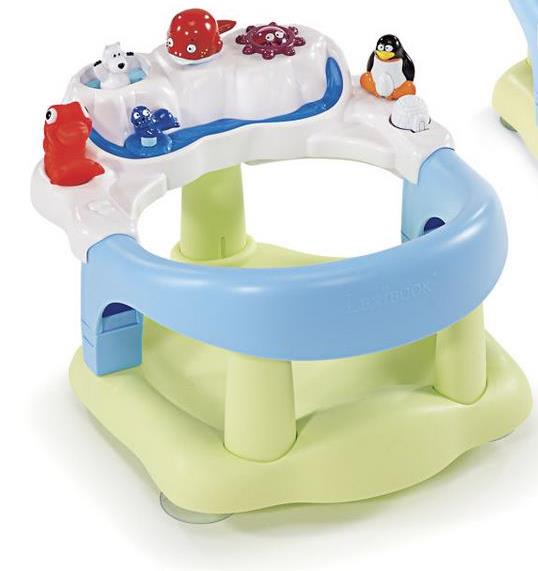
Infant bath seats are really dangerous. Bath seats can tip over and babies can fall into the water and drown.