
9 min read
1763 words
Every child arrives in the world equipped with a vibrant, unquenchable curiosity and a creative spark just waiting to ignite. This inherent artistic side is far more than a fun pastime; it is the fundamental engine driving cognitive development, emotional resilience, and future problem-solving skills.
Nurturing this artistic spirit is one of the most transformative investments you can make in your child’s development. Studies repeatedly show that children engaged in regular creative expression develop superior critical thinking, improved self-esteem, and a greater capacity for flexible thought.
But how do you move beyond merely handing them a box of crayons and truly foster an environment where imagination thrives and confidence blooms? It starts with intentionality and presence.
In this persuasive guide, we will explore simple, actionable techniques to help you unlock your child’s artistic potential, transforming your home into a sanctuary of expression and ultimately building a robust foundation for lifelong learning. Let’s explore how to unleash your child’s artistic side and watch their magnificent imagination bloom.
1. Lay the Foundation: The Power of Exploration and Process
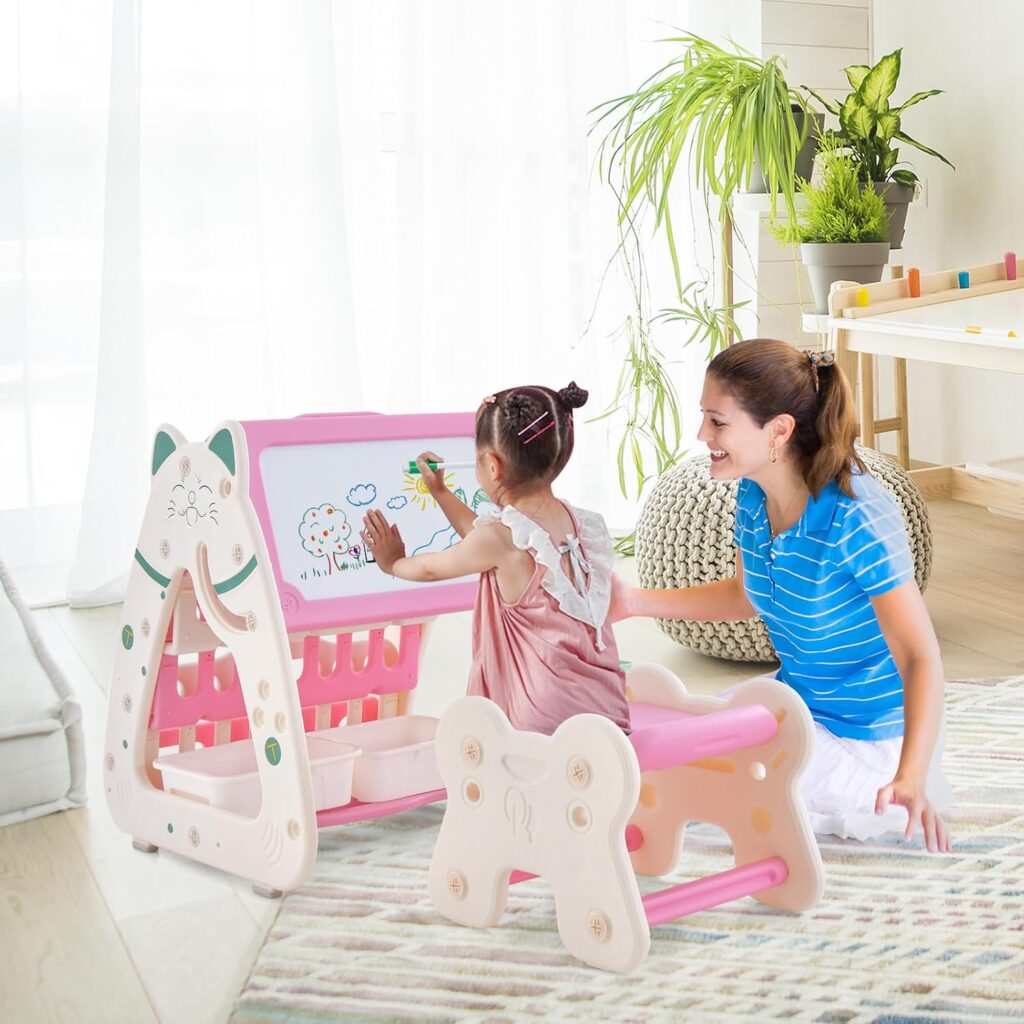
Fostering your child’s artistic talents begins not with instruction, but with permission—permission to explore, experiment, and even make a magnificent mess. The initial step is promoting genuine, unfettered exploration by providing a diverse, accessible treasury of tools.
Stop thinking about product (the finished artwork) and start celebrating the process (the experimentation, the mixing, the decision-making).
Go Beyond the Basic Supply Box
Equipping your child means offering variety, which minimizes creative roadblocks and encourages versatility. While crayons and colored pencils are staples, expanding the toolkit sends a powerful message: Your creativity is boundless, and so are your materials.
Essential Supplies for Limitless Exploration:
- Diverse Mediums: Provide not just markers, but charcoal sticks, soft pastels, watercolor cakes, tempera paints, and even simple natural materials like sticks and leaves. Encourage your child to try out different mediums and techniques, allowing them to find what truly resonates with their unique sense of touch and color.
- Varying Surfaces: Don’t limit creation to plain white paper. Introduce cardboard, newsprint, canvas boards, textured cardstock, and fabric scraps. Drawing on different surfaces fundamentally changes the artistic challenge and encourages adaptation.
- Sensory and Sculptural Materials: Clay, playdough, salt dough, or even kinetic sand are crucial. Working in three dimensions improves spatial reasoning and fine motor skills in ways drawing cannot.
- “Upcycled” Materials: Keep a bin of clean recyclables—bottle caps, toilet paper tubes, newspaper—and glue. These items encourage abstract thinking and resourcefulness, challenging the child to transform everyday junk into treasures.
By granting this freedom to explore a wide range of materials, you are nurturing their individual artistic style, reinforcing self-expression, and teaching them that mistakes are often the most exciting part of discovery.
2. Designate a Sanctuary: Creating a Sacred Art Space
Creativity requires two things: access and permission. When a child has to ask for permission to use the kitchen table or retrieve supplies from a high closet, their spontaneous creative urge often fades.
Establishing a physically dedicated art area in your home is perhaps the single greatest way to boost your child’s creative spirit. This space should not feel temporary or inconvenient; it should feel honored and permanent.
Setting Up the Creative Hub
This designated spot could be a corner of the living room, a small table in the basement, or even a charming, durable surface in the backyard. The key is that it is always ready. Having a specific, non-negotiable place for artistic expression transforms the experience from a chore into a valued ritual.
Practical Tips for a Dedicated Space:
- Prioritize Accessibility: Ensure all supplies—paints, brushes, scissors (age-appropriate), and paper—are within easy reach. Independence is key to spontaneity. When they have an idea, they shouldn’t need adult assistance to start working.
- Make it Mess-Friendly: Invest in a washable mat, wipeable plastic tablecloths, and durable seating. When parents are visibly relaxed about the possibility of spilled paint, children feel relaxed enough to truly experiment. Fear of making a mess is the ultimate creativity killer.
- Ensure Good Lighting: Natural light is ideal, but a dedicated desk lamp helps protect eyesight and ensures they can see the nuances of their colors.
- Incorporate Storage: Use clear bins, tool caddies, or labeled drawers. While the space should be active and free, the materials should still have a home, teaching organization skills alongside creativity.
By defining an ‘Art Sanctuary,’ you are signaling to your child that their creative pursuits are valid, important, and worthy of dedicated real estate in your busy home.
3. Connect Through Creation: Participate in Art Activities Together
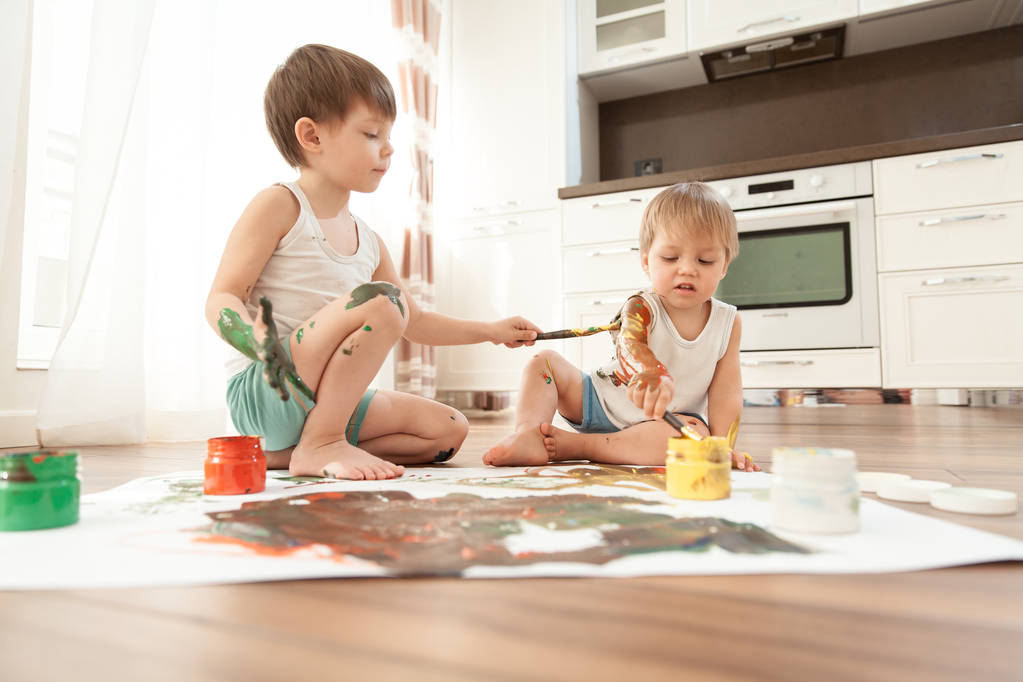
While independent creation is vital, the magic truly happens when you put down your phone, step away from chores, and actively engage in artistic activities as a team. Engaging in art as a family creates a delightful and intensely rewarding experience that simultaneously deepens your connection and validates your child’s interests.
Dedicate time—whether it’s thirty minutes after school or a planned Sunday afternoon—to work on art projects side by side. This engagement is not about teaching technique; it is about modeling curiosity and shared discovery.
Modeling Curiosity, Not Perfection
When you sit down to paint or sculpt alongside your child, resist the urge to correct their perspective or tidy up their lines. Instead, focus on your own piece, openly discussing your choices:
- “I wonder what shade of blue I’ll get if I mix a tiny bit of red into this batch?”
- “This clay feels really satisfying when I push it this way. I think I’ll make a bumpy texture.”
This collaboration teaches them that adults, too, are still experimenting. It encourages your child to further pursue their creative passions because they see creativity modeled as a high-value, enjoyable adult activity.
Ideas for Collaborative Creation:
- The Family Mural: Tape a large sheet of paper to a wall and work on a continuous drawing or painting over several days. This teaches joint planning and compromise.
- Joint Storytelling Sculptures: Agree on a theme (e.g., A Day at the Zoo) and each person sculpts a character or element, then arrange them together to create a scene.
- Nature Collage: Collect items outside, bring them in, and use natural elements to create a textured, abstract piece together.
These shared experiences solidify the message that imagination is a language you both speak fluently.
4. The Validation Gallery: Showcase Your Child’s Work
Imagine spending hours on a challenging, detailed work project only for your supervisor to stick it in a dark drawer without comment. Displaying your child’s artwork around the house is the critical step that boosts their confidence and motivates them to keep creating. It is the public recognition of their effort and their voice.
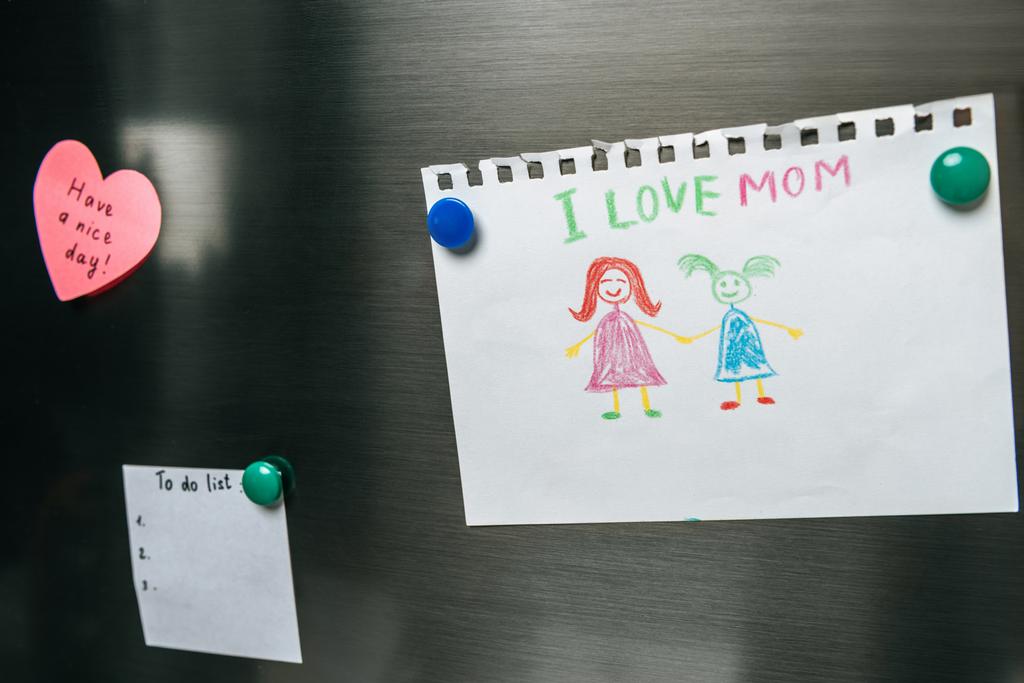
Display doesn’t just mean sticking a crumpled drawing to the side of the refrigerator. While the fridge is a classic starting point, creating a genuine gallery wall or a rotation system signals that this work is important.
Honouring the Effort, Not Just the Outcome
When presenting their art, the language you use is crucial. Instead of simply saying, “That’s beautiful,” focus your praise on the process, the effort, and the choices they made:
- “Tell me about this bright green road. That was a very interesting color choice. Why did you pick that one?”
- “You worked so hard on those tiny details in the corner. I can tell you were very focused.”
- “The way you used those two colors together really makes this area pop!”
Celebrate their artistic achievements and praise their efforts to encourage a positive, resilient relationship with art and self-expression. They learn that their unique perspective is respected and visible.
Creative Display Ideas:
- The Gallery Wall: Dedicate a specific, well-lit wall or hallway to their framed (even inexpensive clip-frames work wonders) artwork. Rotate pieces monthly.
- The Digital Portfolio: Photograph their 3D sculptures or large paintings and create a digital photo book or even a dedicated Instagram account (private) to archive their work.
- The Art Line: Use string or wire and clothespins to mimic a professional drying rack. This allows for quick, easy rotation and high visibility.
When a child knows their work holds a place of honor, they understand that their inner world holds immense value.
5. Fuel the Imagination: Opportunities for Inspiration
Creativity rarely happens in a vacuum. To continually stretch their artistic perspective, children need exposure—exposure to diverse textures, magnificent colors, complex designs, and the history of human expression.
Encourage a world of creativity for your child by introducing them to diverse artistic expressions outside of their immediate environment.
Becoming a Curator of Experience
This step is about curating experiences that subtly refill their well of ideas:
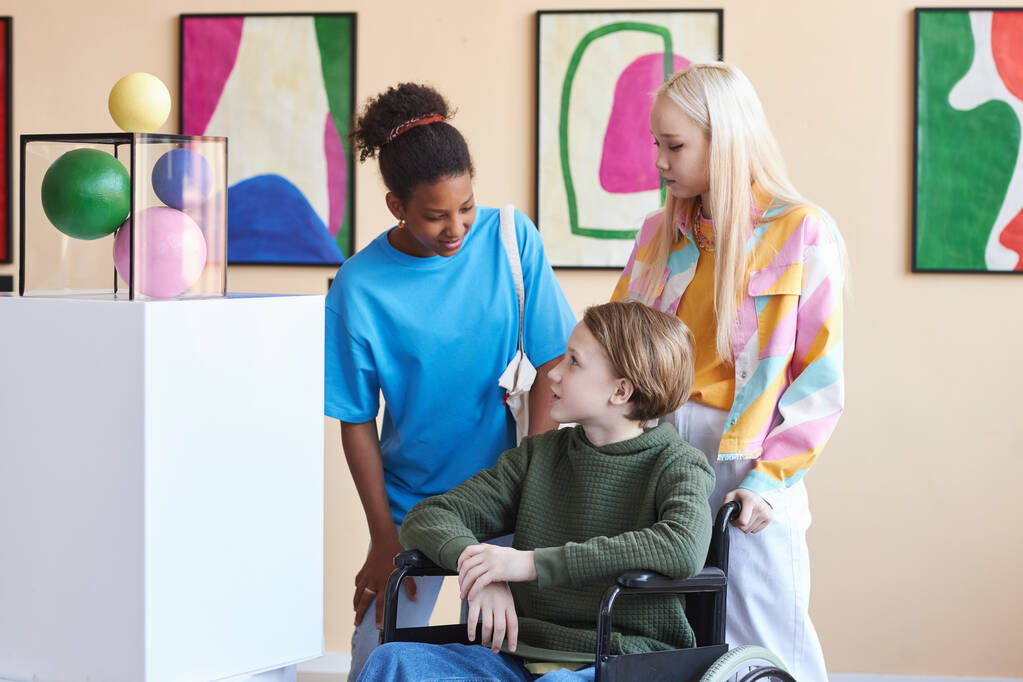
- Visit the Masters: Take them to art galleries, local craft fairs, or university student exhibitions. Visiting an art museum isn’t just about gazing at paintings; it’s about seeing possibility. When they look at a massive sculpture or a vibrant abstract piece, their mind inherently expands its definition of what “art” can be.
- Dive into Resources: Delve into art books, picture books featuring different periods (like Impressionism or Cubism), and high-quality online resources together. Introduce them to different artists, styles, and movements.
- Observe the World: Go on “texture walks” where the goal is to feel and observe the patterns on tree bark, pavement, metal, and glass. This practice sharpens their observational skills, which are crucial for artistic translation.
Foster meaningful conversations about art by asking open-ended, reflective questions: “What emotion do you think the artist was trying to show here?” or “If you could step into that painting, what would you hear?” Prompting them to reflect deeply and engage conceptually with the art around them expands their critical vocabulary and transforms simple looking into deep seeing. This intellectual engagement is the bridge between mere creation and true artistic vision.
The Masterpiece of Growth
Fostering your child’s artistic side demands a powerful blend of patience, active encouragement, and unwavering commitment. This journey is not about producing the next art prodigy; it is about cultivating a human being who is confident, resourceful, and capable of viewing challenges from multiple perspectives.
By equipping them with the right tools, creating a dedicated, safe space for exploration, offering collaboration, validating their efforts publicly, and fueling their minds with inspiration, you are doing more than securing a hobby—you are investing in their future success.
Unlock their creative potential, and you instill a lasting passion for learning, self-expression, and innovation. Always celebrate their successes, honor their unique expressions, and, above all, enjoy the journey of discovering the enchanting realm of art side by side. Your support is the frame that holds their greatest masterpieces.
 Valerie Cox
  Miss P
Great tips on fostering creativity in children!
Perhaps including some art classes or workshops could also give them the guidance they need while still allowing for personal expression.
I love the idea of encouraging kids to explore their artistic side!
Encouraging kids to use their imagination is key, but I think providing constructive feedback on their creations can also help them grow as artists while still feeling supported.