
3 min read
581 words
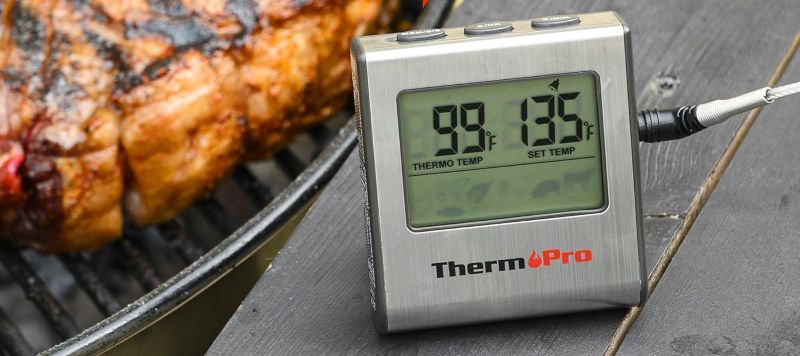
Are you tired of serving up overcooked chicken, rubbery pork chops, or disappointingly dry steaks? If you’re a home cook looking to take your culinary skills to the next level, there’s one simple yet game-changing tool you need in your kitchen: a digital meat thermometer.
Gone are the days of cutting into a roast to check for doneness or relying on unreliable timing methods. With a digital meat thermometer, you can achieve perfectly cooked, juicy, and safe-to-eat meats every single time. In this guide, we’ll break down why this tool is a must-have, how to use it like a pro, and what features to look for when choosing the best one for your kitchen.
Why a Digital Meat Thermometer Is Your Secret Weapon
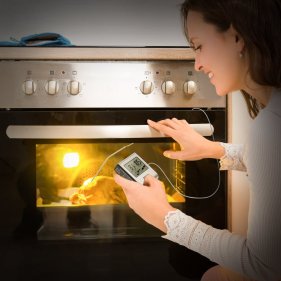
Many home cooks make the mistake of judging meat doneness by color, texture, or cooking time. Unfortunately, these methods often lead to disappointment:
- Undercooked meat? A food safety hazard.
- Overcooked meat? Tough, dry, and flavorless.
A digital meat thermometer eliminates the guesswork by giving you an instant, precise internal temperature reading. Whether you’re grilling steak, roasting a turkey, or searing salmon, this tool ensures perfect results every time.
Did you know? According to the USDA, chicken must reach 165°F (74°C) to be safe to eat, while medium-rare beef should be around 130°F (54°C). Without a thermometer, hitting these temps accurately is nearly impossible!
How to Use Your Digital Meat Thermometer Like a Pro
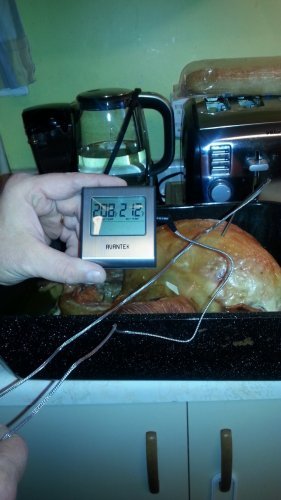
Using a digital thermometer is simple, but there are a few key techniques to master for flawless results:
Step 1: Insert the Probe Correctly
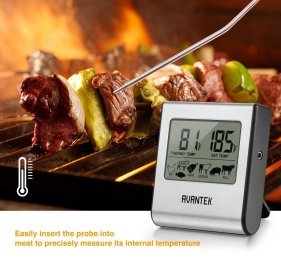
- Place the probe into the thickest part of the meat, avoiding bones and fat (which can give false readings).
- For large cuts (like roasts or whole poultry), check multiple spots to ensure even cooking.
Step 2: Wait for the Temperature to Stabilize
- Most digital thermometers provide a reading in just a few seconds.
- For wireless or leave-in thermometers, monitor the temperature continuously while cooking.
Step 3: Check Against Safe Internal Temperatures
Here’s a quick cheat sheet for reference:
| Meat Type | Safe Internal Temp |
|---|---|
| Chicken & Poultry | 165°F (74°C) |
| Pork & Ham | 145°F (63°C) |
| Beef (Medium-Rare) | 130°F (54°C) |
| Fish | 145°F (63°C) |
| Ground Meat | 160°F (71°C) |
By following these guidelines, you’ll never have to worry about undercooked food again!
Choosing the Best Digital Meat Thermometer: Key Features to Look For
Not all thermometers are created equal. Here’s what to consider when picking the perfect one:
Fast & Accurate Readings – Look for an instant-read thermometer that updates in 2-3 seconds.
Wide Temperature Range – Some can measure from -58°F to 572°F (-50°C to 300°C), great for candy-making too!
Clear, Easy-to-Read Display – A backlit screen is a bonus for grilling in low light.
Durable & Waterproof – Accidents happen—choose one that can handle splashes.
Magnetic or Foldable Design – Helps with storage and accessibility.
Pro Tip: If you love smoking meats or slow-cooking, a wireless probe thermometer lets you monitor temps without opening the oven or grill.
Final Thoughts: Stop Guessing, Start Cooking Perfect Meat Every Time
Investing in a high-quality digital meat thermometer is one of the easiest ways to dramatically improve your cooking. No more dry chicken, chewy pork, or unsafe undercooked meals—just perfectly juicy, flavorful dishes that impress every time.
Ready to cook like a pro?
Don’t wait—click below to find the best digital meat thermometer and transform your cooking today!
Shop the Top-Rated Digital Meat Thermometers on Amazon
Your next perfectly cooked meal is just a thermometer away!
 Carly
Carly  Leo Allen
  Ananya
I so need one of these!
These are great to have, I always use mine, well at least when I remember to use it, and I don’t have to worry about over cooking or under cooking!!