How to Make Game Meat Taste as Good as Possible
6 min read
1169 words
Wild game meat offers a nutritious and flavourful alternative to traditional beef, pork, and chicken. Whether you’ve harvested the meat yourself or purchased it from a reputable source, game meat can be an excellent addition to your table. It is naturally high in protein, contains all nine essential amino acids, and provides important vitamins and minerals such as iron, zinc, and B vitamins. Many wild game meats are also lower in fat than conventionally raised livestock, making them a healthy choice for many families.
What truly sets wild game apart, however, is its distinctive flavour. Deer, elk, moose, wild turkey, duck, rabbit, and other game animals each have unique characteristics influenced by their natural diets and habitats. Learning how to properly prepare and cook game meat allows you to appreciate these rich flavours while creating tender, delicious meals.
If you’re new to cooking wild game, don’t worry. With the right tools, proper handling techniques, and a few simple cooking methods, you can confidently prepare restaurant quality dishes at home.
Use the Right Tools for Preparing Game Meat
Preparing game meat begins long before it reaches the frying pan or oven. Having the proper tools makes processing easier, safer, and more efficient while helping you preserve as much usable meat as possible.
Some essential tools include:
- A sturdy butcher knife for breaking down large cuts of meat.
- A boning knife for removing meat cleanly from bones.
- A small field dressing knife for precise work during harvesting.
- A sharpening stone or honing steel to keep blades razor sharp.
- Cutting boards designated specifically for raw meat.
- Disposable gloves to maintain cleanliness during processing.
Quality knives not only make the work easier but also reduce waste by allowing you to trim meat accurately without tearing muscle tissue.
Field Dress Game as Soon as Possible
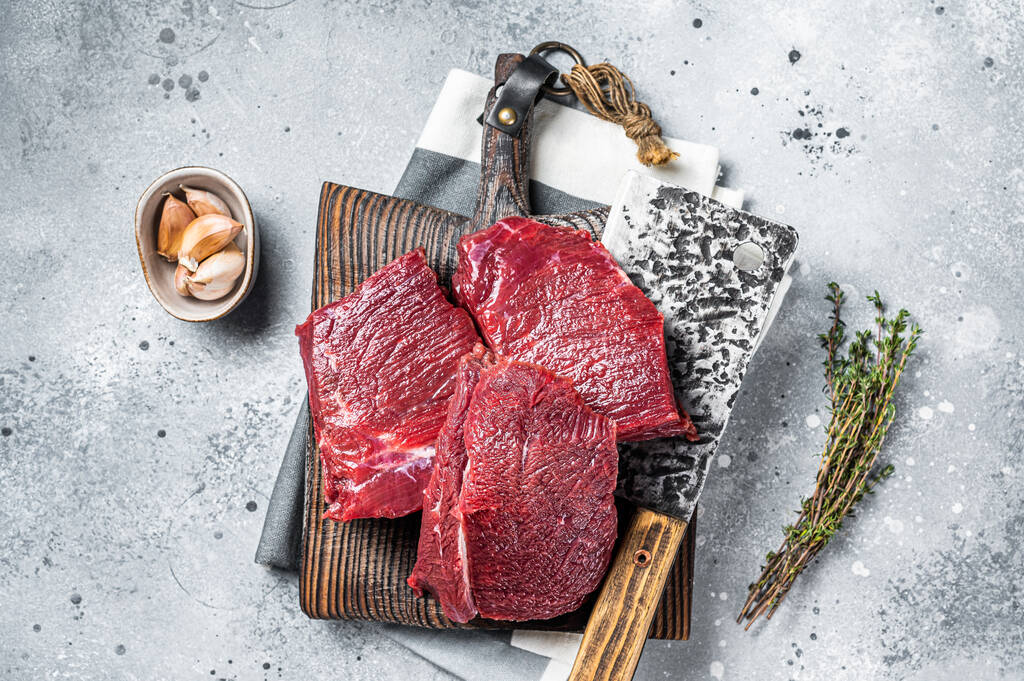
If you hunt your own game, field dressing is one of the most important steps in preserving meat quality. Removing the internal organs promptly helps cool the carcass and slows bacterial growth that can lead to spoilage.
The process generally involves carefully removing the internal organs while avoiding puncturing the stomach or intestines, which could contaminate the meat.
Once field dressed, the carcass should be cooled as quickly as possible. Ideally, the internal temperature should drop below 4°C (40°F). In warm weather, transporting the animal quickly and using ice or refrigeration can make a significant difference in preserving both flavour and food safety.
Proper handling from the very beginning results in cleaner tasting meat and a much more enjoyable final product.
Age Game Meat for Better Flavour and Tenderness
Many experienced hunters choose to age game meat before freezing or cooking it. Aging allows natural enzymes within the muscle tissue to break down connective tissue, resulting in meat that is noticeably more tender.
The ideal aging time depends on several factors, including:
- The species of animal.
- The age of the animal.
- The condition of the meat.
- The storage temperature.
Larger animals such as deer, elk, and moose may benefit from several days of aging under carefully controlled refrigerated conditions, while smaller game birds often require little or no aging.
There are two primary aging methods.
Dry aging involves hanging or placing the meat on racks in a temperature controlled environment with proper airflow. This method concentrates flavour while allowing moisture to evaporate.
Wet aging involves vacuum sealing cuts of meat and refrigerating them. This technique retains moisture while still allowing enzymes to tenderize the meat.
Whichever method you choose, maintaining proper refrigeration temperatures is essential for food safety.
Trim Carefully to Reduce Strong Flavours
One reason some people believe game meat tastes “gamey” is because of improper trimming.
Silver skin, excess fat, bruised tissue, and damaged meat can contribute to stronger flavours. Unlike beef fat, the fat found on many wild animals often has a stronger taste that many people prefer to remove before cooking.
Taking a few extra minutes to trim away connective tissue and excess fat can significantly improve the flavour and texture of your finished meal.
Cook Low and Slow for Tender Results
Wild game is much leaner than domesticated meat, meaning it contains less fat to keep it moist during cooking. High temperatures can quickly dry it out, leaving it tough and chewy.
For many cuts, low and slow cooking produces the best results.
Popular cooking methods include:
- Slow roasting
- Braising
- Smoking
- Slow cooking in a crock pot
- Pressure cooking for tougher cuts
These methods gently break down connective tissue while preserving moisture, resulting in tender, flavourful meat.
Adding broth, wine, vegetables, or herbs during cooking also helps enhance flavour while preventing the meat from drying out.
Sear for a Delicious Crust
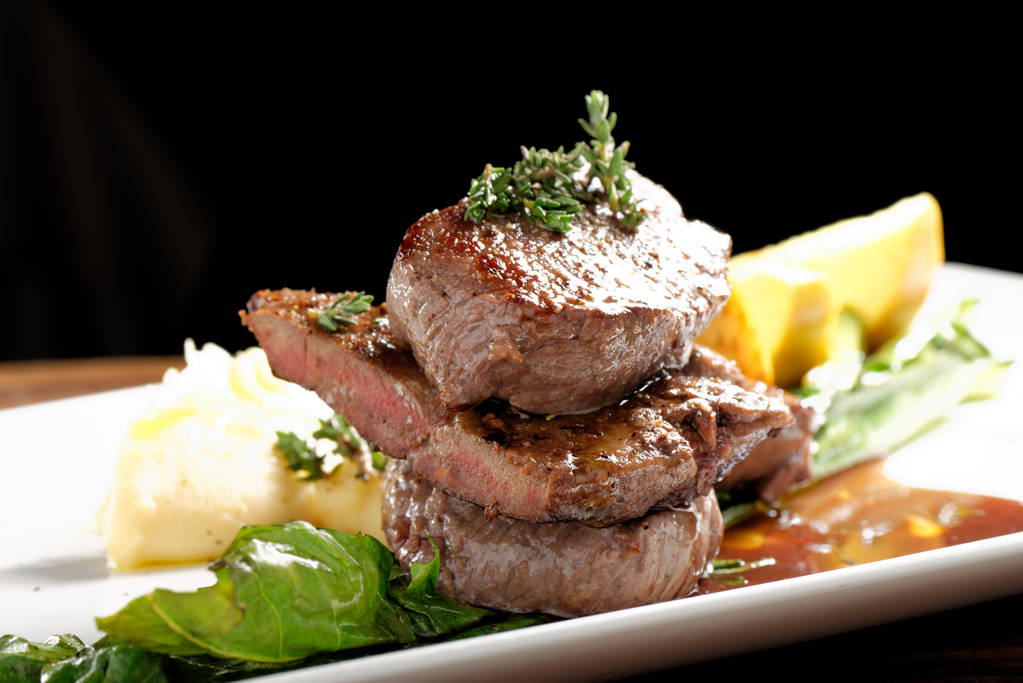
For steaks, backstrap, and tenderloin cuts, start with moderate cooking and finish with a quick, high heat sear.
Cook the meat to your desired internal temperature, then allow it to rest for several minutes before searing each side for about 30 to 60 seconds in a very hot cast iron skillet or on a grill.
This technique creates a rich, caramelized crust while keeping the inside juicy and tender.
Don’t Overcook Lean Game Meat
Because game meat is naturally lean, overcooking is one of the most common mistakes.
Tender cuts such as venison loin, elk steaks, or duck breast are often best served medium rare to medium. Using a meat thermometer helps ensure accurate cooking without drying out the meat.
Ground game should always be cooked thoroughly according to food safety recommendations.
Because game meat is naturally lean, overcooking is one of the most common mistakes. Using a reliable digital meat thermometer can help you monitor the internal temperature and cook your meat properly without drying it out.
Pair Game Meat with Complementary Flavours
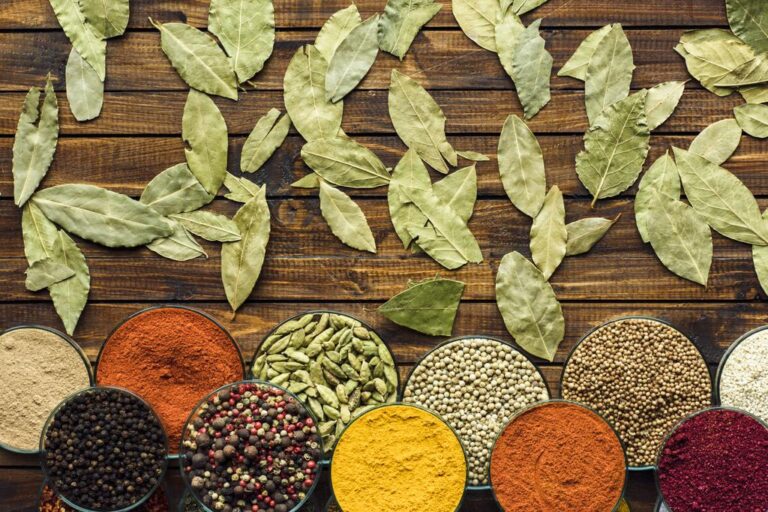
The rich flavour of wild game pairs beautifully with seasonal ingredients.
Popular flavour combinations include:
- Mushrooms
- Garlic
- Rosemary
- Thyme
- Juniper berries
- Red wine reductions
- Cranberries
- Blueberries
- Apples
- Root vegetables
These ingredients complement the meat’s natural flavour without overpowering it.
Store Game Meat Properly
After processing, wrap game meat tightly using freezer paper or vacuum seal it to prevent freezer burn.
Clearly label each package with the cut and processing date. Properly packaged game meat can maintain excellent quality for many months when stored at freezer temperatures.
Thaw frozen meat slowly in the refrigerator rather than on the countertop to preserve texture and maintain food safety.
Final Thoughts
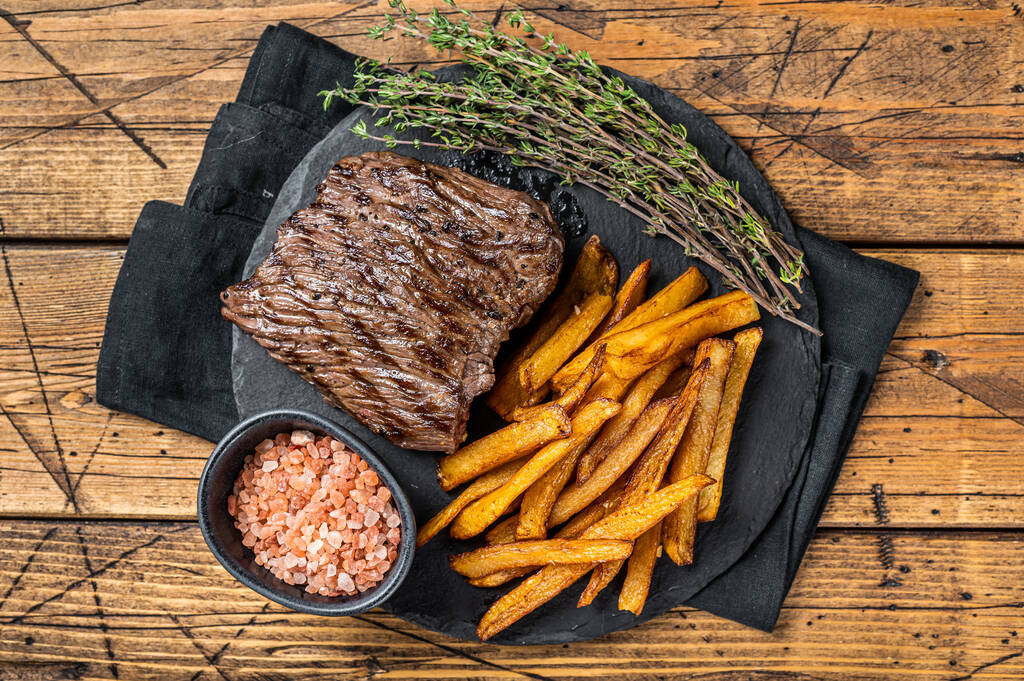
Cooking wild game may seem intimidating at first, but with proper preparation, careful handling, and the right cooking techniques, it can become one of the most rewarding ingredients in your kitchen.
From using quality knives and properly field dressing harvested animals to aging, trimming, and slow cooking lean cuts, every step contributes to better flavour and tenderness. Whether you’re preparing venison, elk, wild turkey, duck, rabbit, or another type of game, taking the time to handle the meat correctly allows its natural qualities to shine.
With practice, you’ll discover that wild game offers not only outstanding nutrition but also a rich culinary experience that brings the flavours of the outdoors directly to your table.