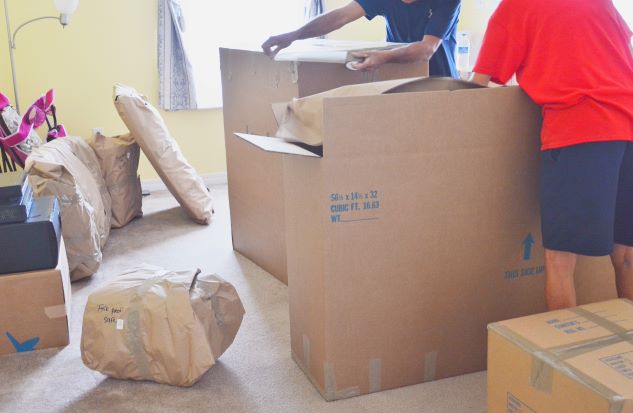
Long-distance relocation : Tips for a Smooth Move
5 min read
910 words
Are you preparing for a long-distance relocation? Moving to a new city, province, or state can be an exciting opportunity for a fresh start, but it can also feel overwhelming. Unlike a local move, a long-distance relocation requires more planning, organization, and attention to detail. From sorting through years of belongings and arranging transportation to managing paperwork and adjusting to a new community, there are many moving parts to consider.
The good news is that a long-distance move does not have to be stressful. With early preparation, a realistic timeline, and the right support, you can make the transition smoother and more manageable. Whether you are moving for work, family, retirement, or a lifestyle change, these expert tips will help you stay organized and confident throughout the process.
Start Planning Your Move Early
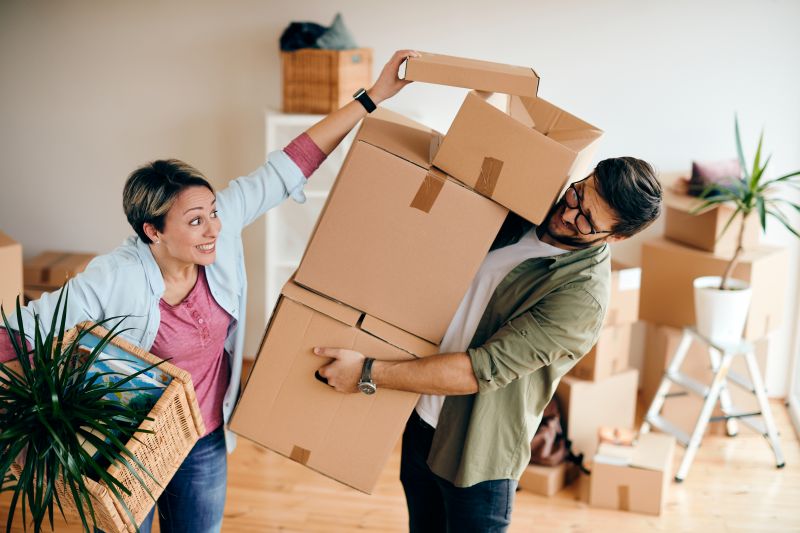
The earlier you begin preparing, the easier your relocation will be. A long-distance move involves many decisions, and waiting until the last minute can lead to unnecessary stress and higher costs.
Create a moving timeline that includes important tasks such as researching moving companies, sorting belongings, packing, transferring utilities, updating your address, and preparing travel arrangements. Breaking the process into smaller steps allows you to stay in control and avoid feeling overwhelmed.
Start by walking through your home and deciding what you truly want to bring with you. Moving is the perfect opportunity to declutter. Sort items into categories: keep, donate, sell, recycle, or discard. Reducing the number of items you move can save money, make packing easier, and help you start fresh in your new home.
Research Professional Moving Companies
Choosing the right moving company is one of the most important decisions during a long-distance relocation. A professional mover can help reduce the physical and logistical challenges of transporting your belongings over a long distance.
Take time to research several companies before making a decision. Compare pricing, services, experience, and customer reviews. Look for movers who specialize in long-distance relocations and understand the requirements involved with transporting belongings across regions.
Before hiring a company, ask questions about:
- Moving estimates and additional fees
- Insurance coverage and protection options
- Delivery timelines
- Cancellation policies
- Storage options if needed
A reliable moving company should provide clear communication and help you feel confident throughout the relocation process.
Create a Detailed Inventory of Your Belongings
Keeping track of your possessions is essential when moving long-distance. Create an inventory list before packing so you know exactly what is being transported.
Your inventory can include:
- Furniture and large items
- Electronics and appliances
- Valuable belongings
- Important documents
- Personal items and keepsakes
Taking photos of valuable items before the move can also be helpful for insurance purposes. A detailed inventory makes it easier to identify missing items and keeps your move organized from start to finish.
Pack Strategically and Label Everything
Packing for a long-distance move requires more planning than a local move because you may not have immediate access to everything once you arrive. Pack carefully and label each box clearly with its contents and destination room.
For example, instead of simply writing “kitchen,” label boxes with descriptions such as “coffee maker, mugs, and everyday dishes.” This makes unpacking much faster and prevents unnecessary searching through multiple boxes.
Consider colour-coding labels by room or creating a numbered box system that matches your inventory list. These small organizational steps can save hours when settling into your new home.
Prepare a Moving Day Essentials Box
One of the most helpful moving tips is to pack a separate essentials bag or box that stays with you during the move. Avoid packing important items in the moving truck where they may not be accessible right away.
Your essentials box should include:
- Important documents and identification
- Medications and health supplies
- Toiletries
- A change of clothing
- Phone chargers and electronics
- Basic kitchen supplies
- Snacks and water
- Cleaning supplies for your new home
Having these necessities available will make your first day in your new home much easier.
Update Your Address and Transfer Services
A long-distance move involves more than transporting boxes. You will also need to update your information with important organizations and service providers.
Before moving, remember to:
- Update your mailing address with the post office
- Notify banks, insurance providers, and government agencies
- Transfer medical and dental records if needed
- Cancel or transfer utilities
- Arrange internet, electricity, and other services at your new home
- Update subscriptions and memberships
Taking care of these details early helps prevent interruptions and ensures a smoother transition.
Prepare Emotionally for the Transition
Moving long-distance is not only a physical change; it is also an emotional experience. Leaving behind a familiar home, friends, neighbours, and routines can bring mixed feelings, even when the move is something you are excited about.
Give yourself time to adjust to your new surroundings. Explore your new community, introduce yourself to neighbours, find local businesses you enjoy, and create new routines. Building connections will help your new location feel like home.
Conclusion: Making Your Long-Distance Move a Positive Experience
A long-distance relocation can feel like a major undertaking, but careful preparation can make the process much easier. By starting early, staying organized, choosing reliable moving support, and planning for both practical and emotional changes, you can reduce stress and focus on the excitement of your new beginning.
Every move is a chance to create a fresh chapter. With the right approach, your long-distance relocation can become an opportunity for growth, new experiences, and a positive start in your new home.