
Understanding Dental Crowns: Types, Benefits, and Procedure
5 min read
983 words
Maintaining optimal oral health is a cornerstone of overall well-being. When teeth face damage, decay, or significant wear, dental crowns emerge as a vital solution. These custom-crafted restorations are designed to protect, strengthen, and beautify compromised teeth, significantly impacting your ability to eat, speak, and smile with confidence. This article will serve as your comprehensive guide to understanding dental crowns, exploring the various types available, the numerous benefits they offer, and the straightforward procedure involved in their placement.
Understanding Dental Crowns: More Than Just a Cap
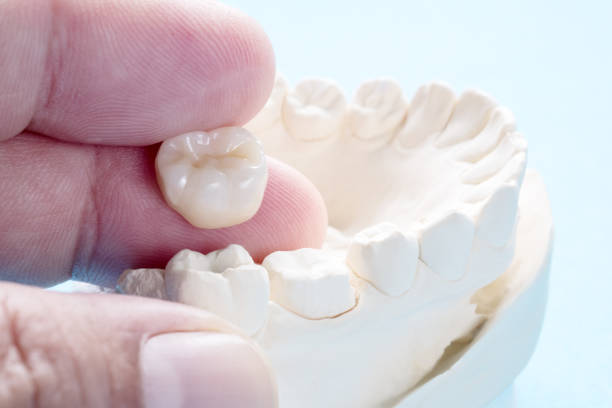
Often referred to as “dental caps,” crowns are precisely shaped coverings that encase a tooth. Their primary function is to meticulously restore a tooth’s original shape, size, strength, and aesthetic appeal. Dentists recommend crowns for a variety of reasons, including:
- Protecting Weakened Teeth: Safeguarding teeth susceptible to fracture due to decay, large fillings, or cracks.
- Restoring Damaged Teeth: Repairing teeth that have been broken, chipped, or severely worn down.
- Covering Dental Implants: Providing a natural-looking and functional tooth replacement for dental implants.
- Improving Aesthetics: Enhancing the appearance of discolored, misshapen, or unsightly teeth.
- Supporting Bridges: Acting as anchors for dental bridges, replacing one or more missing teeth.
Exploring the Diverse Types of Dental Crowns
The field of restorative dentistry offers a range of materials for dental crowns, each with unique advantages:
- Porcelain Crowns: Celebrated for their remarkable ability to mimic the natural translucency and shade of your existing teeth, porcelain crowns are a top choice for front teeth. They offer excellent aesthetics and can be expertly color-matched for a seamless blend with your natural smile. While beautiful, they can be more prone to chipping or wear compared to other materials under heavy biting forces.
- Metal Crowns: Crafted from durable alloys such as gold, palladium, platinum, or base-metal alloys (like nickel or chromium), metal crowns are renowned for their exceptional strength and longevity. They are highly resistant to wear and fracturing, making them an excellent option for back teeth where biting and chewing forces are greatest. Their primary drawback is their metallic appearance, which can be noticeable.
- Porcelain-Fused-to-Metal (PFM) Crowns: Offering a compelling blend of strength and aesthetics, PFM crowns feature a metal substructure for durability, overlaid with porcelain for a natural-looking finish. This combination makes them a versatile choice for both front and back teeth, providing a good balance between function and appearance. However, the metal core can sometimes create a dark line at the gumline, and the porcelain can chip over time.
- All-Ceramic or All-Porcelain Crowns: For those seeking the highest level of natural aesthetics and particularly for individuals with metal allergies, all-ceramic crowns are an outstanding choice. They offer a lifelike appearance that is virtually indistinguishable from natural teeth. Modern ceramic materials are also increasingly strong, making them suitable for both anterior and posterior applications.
The Undeniable Benefits of Dental Crowns
Investing in dental crowns offers a multitude of advantages that extend beyond mere aesthetics:
- Robust Protection: Crowns act as a resilient shield, fortifying weakened teeth against further damage, decay, and eventual loss. This preservation is crucial for maintaining your natural dentition for as long as possible.
- Restored Functionality: By restoring a tooth’s complete structure, crowns allow you to chew, bite, and speak with ease and comfort, eliminating the pain and limitations often associated with damaged teeth.
- Enhanced Aesthetics and Confidence: Crowns can dramatically improve the appearance of your smile, correcting discoloration, misshapen teeth, and gaps. This aesthetic enhancement can lead to a significant boost in self-esteem and overall confidence.
- Long-Term Durability: With diligent oral hygiene practices and regular dental check-ups, dental crowns can maintain their integrity and appearance for 15 years or even longer. This longevity makes them a sound and cost-effective investment in your oral health.
The Streamlined Procedure for Getting a Dental Crown
The process of receiving a dental crown is typically completed over two dental visits:
- Consultation and Examination: Your journey begins with a thorough consultation with your dentist. They will assess the condition of the tooth, discuss your options, and may take X-rays to gain a detailed understanding of the tooth’s root and surrounding bone structure. This initial step ensures that a crown is indeed the most suitable treatment for your needs.
- Tooth Preparation: During the second visit, your dentist will prepare the tooth for the crown. This involves carefully removing a thin layer of the tooth’s outer surface (enamel) to create adequate space for the crown to fit comfortably and securely. Once the tooth is shaped, your dentist will take precise impressions of your prepared tooth and the surrounding teeth. These impressions are sent to a specialized dental laboratory for the custom fabrication of your permanent crown.
- Temporary Crown Placement: While your permanent crown is being expertly crafted by the dental laboratory, a temporary crown will be placed over your prepared tooth. This temporary restoration protects the tooth and maintains its function and appearance during the interim period.
- Final Placement and Cementation: After a week or two, your custom-made permanent crown will arrive from the laboratory. During your final appointment, your dentist will remove the temporary crown and carefully check the fit, color, and bite of the permanent crown. Once you and your dentist are satisfied, the crown will be permanently cemented into place, effectively restoring your tooth’s strength, function, and natural beauty.
Your Path to a Healthier, More Beautiful Smile
Dental crowns are a versatile and highly effective solution for a wide array of dental concerns. By understanding the different types of materials available, the significant benefits they provide, and the straightforward procedure involved, you can make informed decisions about your oral health.
If you are experiencing dental discomfort, have damaged teeth, or are seeking to enhance the aesthetics of your smile, don’t hesitate to consult with your dentist. They are your expert guides in exploring the dental crown options that best align with your unique needs and desired outcomes, paving the way for a healthier, more confident you.







I like that you pointed out how dental crowns are a versatile and effective solution for various dental issues. Some of my teeth are already damaged, so I think they need to get protected in order to avoid further problems. So, I’ll try to ask for some dental crowns from a family dentist soon.