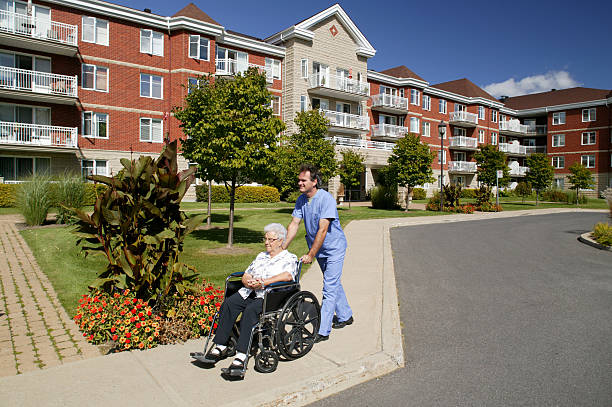
Choosing a residential care home For Your Parents
5 min read
887 words
The decision to move a parent or loved one into a residential care home is often fraught with emotion, stress, and complexity. It marks a significant life transition for everyone involved. While the process may feel overwhelming, approaching the search with a clear, structured plan will help you identify a high-quality, supportive environment that truly feels like home. This comprehensive guide breaks down the essential steps to simplify your search, ensuring you find the best possible residential care home for your family’s unique needs.
Phase 1: Laying the Foundation – Assessing Needs and Budget
Before you begin touring facilities, you must first establish a firm understanding of what is required and what is financially feasible.
1. Determining the Required Level of Care
Residential care homes offer varying degrees of support. Be specific about your parent’s current and likely future needs.
- Medical Requirements: Does your parent require dedicated nursing care (e.g., wound care, medication management) or standard assistance (e.g., mobility aid, bathing)?
- Cognitive Support: Is the main concern related to memory loss or dementia? If so, you will need a facility with a specialized Memory Care Unit.
- Mobility and Independence: How much assistance is needed for daily living activities (ADLs) such as dressing, eating, and hygiene? A standard residential care home is often suited for those needing minimal assistance, while more complex needs may require higher-level skilled nursing.
2. Understanding the Financial Structure
The cost of a quality residential care home varies significantly based on location, amenities, and level of care.
- All-Inclusive vs. Tiered Pricing: Confirm whether the monthly fee covers all services (meals, activities, utilities) or if essential services (e.g., laundry, special therapies, personal care assistance) are charged à la carte.
- Funding Options: Research available financial assistance options, which may include long-term care insurance, veteran benefits, or state aid programs (like Medicaid/Medi-Cal, depending on region). Ensure the facilities you are considering accept your funding sources.
Phase 2: The Search and Vetting Process
Once you have established your criteria, it’s time to create a shortlist and begin the rigorous vetting process.
3. Location, Location, Location
While you may be tempted to choose the nearest option, prioritize access and convenience for visiting family members. A residential care home located near primary visitors encourages regular connection and engagement, which is vital for the resident’s well-being.
- Proximity to Medical Specialists: Is the care home near your parent’s established doctors and preferred hospitals?
- Community Amenities: Is the facility near parks, shopping centres, or places of worship that your parent still enjoys visiting?
4. Essential Questions for Every Residential Care Home Visit
A tour is crucial, but don’t let beautiful décor distract you. Focus on the core aspects of care. Use this checklist during your visits:
| Area of Concern | Key Questions to Ask |
|---|---|
| Staffing | What is the staff-to-resident ratio, especially during overnight hours and weekends? Are staff members specifically trained for dementia care? How long has the Director of Nursing been at the facility? |
| Environment & Safety | Are emergency systems clearly visible and easily accessible in rooms and bathrooms? Does the home feel clean, well-lit, and well-maintained? Are the grounds secure yet accessible (important for wandering residents)? |
| Activities & Engagement | What is a typical daily schedule? Are there varied social, intellectual, and physical activities offered seven days a week? Can residents participate in activities outside the facility? |
| Food and Nutrition | Are meals prepared fresh on-site? Are modified diets (diabetic, low-sodium) accommodated? Can residents choose alternatives if they dislike the main meal? |
| Policies | What is the policy regarding hospitalisation or a temporary change in health? What is the standard notice period if a resident needs to move or if fees change? |
Tip for Vetting: Aim for one pre-scheduled visit and one unannounced drop-in during a mealtime or evening. This provides a more authentic view of the day-to-day operations and staff interaction.
Phase 3: Making the Final Decision and Transition
After careful research, you should have narrowed your choice down to two or three preferred options. The final step is focusing on the “fit” and preparing for the move.
5. Involve Your Parent in the Decision
Unless health prevents it, your parent must be the final authority on their new home. Allow them to tour the shortlisted residential care homes, meet some of the residents, and spend time in the common areas. If they feel a connection to the environment, the transition will be significantly smoother.
Focus on how the community makes them feel—safe, respected, and engaged. The quality of the staff’s interaction with the residents is usually the most reliable indicator of overall compassion and care.
6. Planning the Move
Once the choice is made, establish a clear move-in date. Work closely with the care home’s admissions coordinator to complete all necessary paperwork, health assessments, and medication orders well in advance.
Allow your parent to furnish their new room with familiar items, photographs, and cherished possessions. These personal touches help establish the room as theirs, easing the emotional weight of moving into a new residential care home.
Conclusion
Choosing a residential care home is a demanding journey, requiring both emotional resilience and meticulous research. By prioritizing your parent’s specific clinical and social needs, carefully scrutinizing the facility’s staff and policies, and involving your parent in the ultimate choice, you can confidently select a supportive and loving environment where they can thrive.