Understanding and Addressing Hair Loss in Men
5 min read
808 words
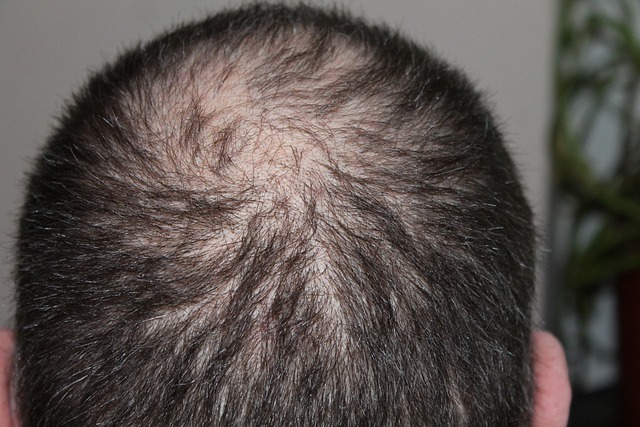
Experiencing hair loss can be a disconcerting realization for many men. If you’re noticing thinning hair or receding hairlines, it’s important to know that you are far from alone. Hair loss is a prevalent concern affecting a significant portion of the male population worldwide. This article is designed to provide you with a clear understanding of the common causes of male hair loss and to explore the diverse range of effective treatment options available today.
Decoding the Causes: Why Does Hair Loss Happen to Men?
The journey to addressing hair loss begins with understanding its root causes. While it can feel complex, several primary factors contribute to thinning hair in men:
- Genetics: The Predominant Factor When it comes to male hair loss, genetics often plays the leading role. Male pattern baldness, scientifically known as androgenetic alopecia, is a hereditary condition. This means it’s inherited through your genes and can manifest as a gradual thinning of hair, typically starting at the temples and crown, and potentially leading to more significant baldness over time.
- Hormonal Fluctuations: The DHT Connection Hormonal imbalances can significantly impact hair growth. A key culprit is an excess of dihydrotestosterone (DHT). DHT is a byproduct of testosterone and, in genetically predisposed individuals, can bind to hair follicles. This binding process can gradually shrink the follicles, weakening them and ultimately leading to reduced hair production and loss.
- Underlying Medical Conditions: A Hidden Culprit In some instances, hair loss can be an indicator of an underlying medical issue. Conditions such as thyroid disorders (both an overactive or underactive thyroid), scalp infections (like fungal infections), and certain autoimmune diseases can disrupt the hair growth cycle and lead to shedding. Addressing these health concerns is crucial for managing and potentially reversing hair loss.
- The Impact of Stress: More Than Just a Feeling While often overlooked, stress can be a significant contributor to hair loss. Prolonged or severe stress can trigger a condition called telogen effluvium, where a larger number of hair follicles are pushed into a resting phase, leading to noticeable shedding a few months after the stressful event. Managing stress levels is therefore an important aspect of hair care.
Empowering Solutions: Treatment Options for Men’s Hair Loss
The good news is that modern medicine and innovative therapies offer a variety of effective strategies to combat hair loss and promote regrowth. Here are some of the most common and successful treatment options:
- Minoxidil (Rogaine®): A Topical Solution for Growth Minoxidil, widely recognized by its brand name Rogaine, is a topical treatment that can be purchased over the counter. It’s applied directly to the scalp and works by stimulating hair follicles, potentially leading to increased hair growth and slowing down further hair loss. Consistency is key to seeing results with this treatment.
- Finasteride (Propecia®): An Oral Approach Finasteride, often prescribed under the brand name Propecia, is an oral medication. It works by reducing the levels of DHT in the scalp, a primary driver of male pattern baldness. By inhibiting DHT, Finasteride can effectively slow down hair loss and encourage regrowth in many men. This medication typically requires a prescription.
- Hair Transplant Surgery: A Permanent Restoration For those seeking a more permanent and comprehensive solution, hair transplant surgery is a highly effective option. This procedure involves carefully harvesting healthy hair follicles from areas of the scalp with abundant hair growth (donor sites) and transplanting them to the thinning or balding areas. Modern techniques like Follicular Unit Transplantation (FUT) and Follicular Unit Extraction (FUE) offer natural-looking results.
- Low-Level Laser Therapy (LLLT): Stimulating Follicles with Light Low-Level Laser Therapy (LLLT) is a non-invasive treatment that utilizes red light therapy to stimulate hair follicles. The light energy is thought to increase cellular activity within the follicles, promoting thicker, stronger hair growth. LLLT devices are available for home use (e.g., laser caps) or can be administered in clinical settings for a more targeted approach.
- Platelet-Rich Plasma (PRP) Therapy: Harnessing Your Body’s Healing Power PRP therapy is an innovative treatment that leverages your body’s natural healing capabilities. A small sample of your blood is drawn, processed to concentrate the platelets (which contain growth factors), and then injected into the scalp. These growth factors can stimulate dormant hair follicles, promoting hair regeneration and improving hair density and thickness.
Taking the Next Step Towards Healthier Hair
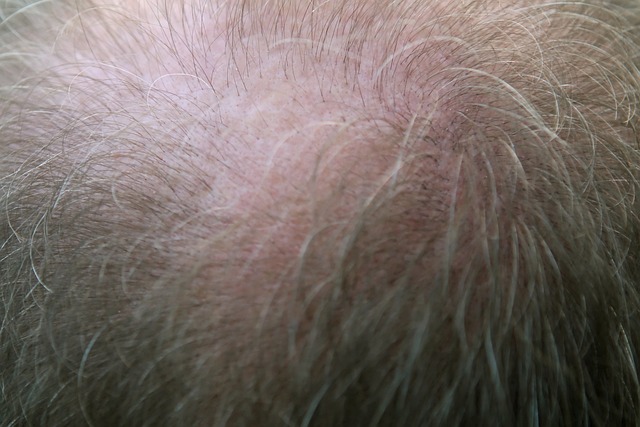
While hair loss in men can be a sensitive issue, it’s also a manageable one. By understanding the underlying causes and exploring the array of effective treatment options available, you can take proactive steps towards addressing your concerns.
Don’t navigate this journey alone. We encourage you to consult with a qualified healthcare professional or a dermatologist. They can provide a personalized diagnosis, discuss your specific situation, and recommend the most suitable treatment plan for your individual needs. Taking action today can lead to significant improvements in your hair health and overall confidence.