Bitcoin – Everything you need to know
5 min read
970 words
In recent years, Bitcoin has emerged from the fringes of the internet to become a prominent topic in global finance and investment discussions. Its rise has sparked curiosity and, for many, a desire to understand this revolutionary digital asset. But what exactly is Bitcoin, and how does it function? This article will serve as your comprehensive guide, exploring everything you need to know about Bitcoin, from its enigmatic origins to practical insights on how you can begin investing in it.
What is Bitcoin?
At its core, Bitcoin is a decentralized digital currency. It was launched in 2009 by an anonymous individual or group operating under the pseudonym Satoshi Nakamoto. Unlike conventional currencies like the US dollar or the Euro, which are issued and controlled by governments and central banks, Bitcoin exists purely in the digital realm. It is an electronic form of money, created, managed, and transacted without the need for traditional financial intermediaries. This fundamental difference grants Bitcoin its unique characteristics and appeals to those seeking alternatives to established financial systems.
How Does Bitcoin Work? The Power of the Blockchain
The operational backbone of Bitcoin is a groundbreaking technology called the blockchain. Imagine it as a public, distributed ledger that meticulously records every single Bitcoin transaction ever made. This ledger is not housed in a single location or controlled by one authority; instead, it’s spread across a vast network of computers worldwide.
When a Bitcoin transaction is initiated, it is broadcast to this network. A global community of participants, known as “miners,” use powerful computers to verify the legitimacy of these transactions by solving complex cryptographic puzzles. Once validated, the transaction is bundled with others and added as a new “block” to the existing chain of blocks – hence, the blockchain. This process ensures transparency, security, and immutability, as altering past transactions would require an immense and practically impossible computational effort.
Acquiring Bitcoin: Your Gateway to Digital Ownership
There are several accessible avenues for acquiring Bitcoin, catering to different preferences and technical aptitudes:
- Bitcoin Exchanges: This is the most popular and straightforward method. Bitcoin exchanges function similarly to stock exchanges, allowing you to buy Bitcoin using traditional fiat currencies (like CAD, USD, EUR) or sometimes other cryptocurrencies. Reputable exchanges provide a secure platform for trading and typically offer various payment options.
- Bitcoin Mining: A more technical and resource-intensive approach, Bitcoin mining involves dedicating computing power to the process of verifying transactions and adding new blocks to the blockchain. Miners are rewarded with newly minted Bitcoins and transaction fees for their efforts. While it’s how new Bitcoins are generated, it’s often less practical for individual investors due to the high cost of specialized hardware and electricity.
- Earning Bitcoin: Businesses and individuals can choose to accept Bitcoin as payment for goods and services. If you offer products or services, accepting Bitcoin can be a way to acquire it directly.
Bitcoin in Canada: Legality and Adoption
For those in Canada, the question of legality is paramount. Yes, Bitcoin is legal in Canada. Canada has demonstrated a progressive stance on digital currencies, with a growing ecosystem of businesses accepting Bitcoin payments and a notable presence of Bitcoin ATMs across the country. Furthermore, the Canadian government has taken proactive steps to establish regulatory frameworks for Bitcoin and other cryptocurrencies, aiming to enhance consumer protection and combat financial crimes like money laundering. This regulatory clarity provides a foundation for increased adoption and confidence.
Should You Invest in Bitcoin? Understanding the Risks and Rewards
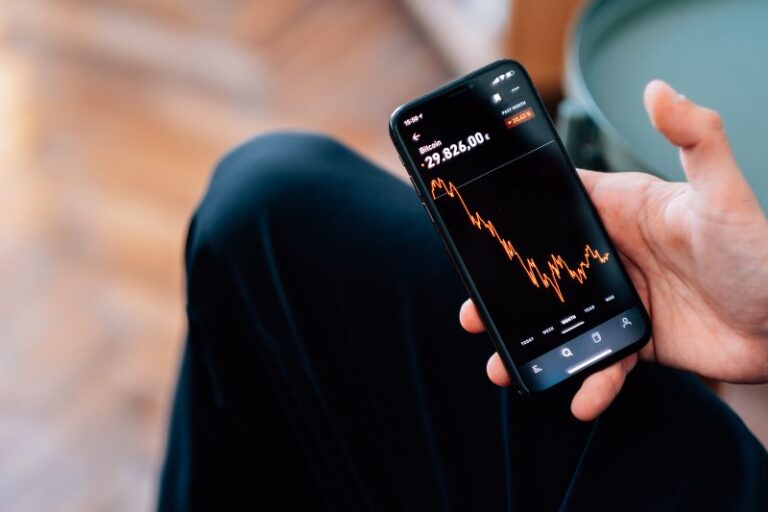
The prospect of significant returns has made Bitcoin an attractive investment for many. However, it is crucial to approach Bitcoin investment with a clear understanding of its inherent volatility. The price of Bitcoin is known for its dramatic fluctuations, driven by market sentiment, regulatory news, adoption rates, and other economic factors. This volatility means that while the potential for high rewards exists, there is also a significant risk of losing your invested capital.
Therefore, before investing, it is essential to conduct thorough research, understand your personal financial situation, and only invest an amount you can comfortably afford to lose. Diversification within your overall investment portfolio is also a wise strategy when considering any asset class, especially one as dynamic as Bitcoin.
How to Invest in Bitcoin: A Practical Approach
Ready to take the plunge? Investing in Bitcoin typically involves these steps:
- Choose a Reputable Bitcoin Exchange: Select a well-established and regulated exchange that operates in your region. Look for strong security measures, reasonable fees, and a user-friendly interface.
- Create and Verify Your Account: This usually involves providing personal information and completing identity verification (KYC – Know Your Customer) processes.
- Fund Your Account: Deposit funds into your exchange account using your preferred payment method (e.g., bank transfer, debit card).
- Purchase Bitcoin: Once your account is funded, you can place an order to buy Bitcoin at the current market price.
- Secure Your Bitcoin: For added security, consider transferring your Bitcoin from the exchange to a personal digital wallet. Wallets come in various forms, including software (hot) wallets and hardware (cold) wallets, with hardware wallets offering the highest level of security for larger holdings.
Prioritizing security is paramount when dealing with digital assets. Employ strong, unique passwords, enable two-factor authentication (2FA) on your exchange and wallet accounts, and be wary of phishing attempts or suspicious links.
Conclusion: Embracing the Future of Finance
Bitcoin represents a remarkable innovation in the world of finance, offering a decentralized and digitally native alternative to traditional money. Whether your interest lies in exploring its investment potential or simply understanding the technology that underpins it, delving into Bitcoin is a worthwhile endeavor. With diligent research, a cautious approach, and a clear understanding of the associated risks, investing in Bitcoin can indeed be a potentially rewarding experience, offering a glimpse into the evolving landscape of digital assets and the future of financial transactions.