
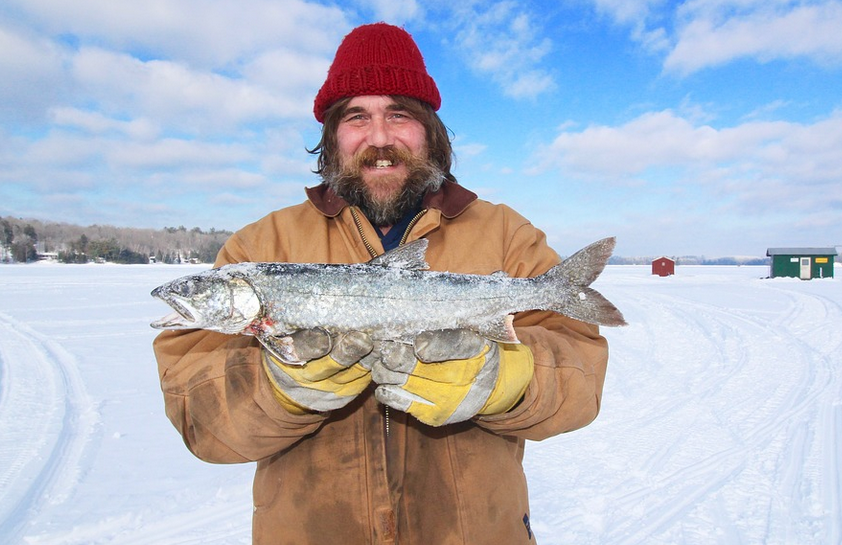
What You Need To Know Before Going Ice Fishing
5 min read
857 words
Ice fishing is more than just a winter pastime; it’s an opportunity to experience the great outdoors during the quietest time of the year. While it might sound intimidating, with the right preparation, anyone can enjoy the thrill of catching fish on the hard water. However, venturing out onto a frozen lake requires preparation that goes far beyond traditional fishing. The most important lesson in beginner ice fishing is simple: safety first, then gear, then technique. This comprehensive guide breaks down the critical steps, from checking the ice thickness to understanding the essential ice fishing tips, ensuring your first (or next) trip is safe, enjoyable, and successful.
Ice Safety is Non-Negotiable
(Ice Safety 101: Understanding Ice Thickness and Conditions)
The single most important factor when heading out is the stability and thickness of the ice. Ignoring basic ice safety rules can turn a fun day into a dangerous situation quickly. Never assume a body of water is safe just because it looks frozen.
The Crucial Ice Thickness Chart
Always verify local conditions and never trust “new” or clear ice as much as older, milky ice. Use an ice chisel or auger to check thickness every 150 feet.
| Activity | Recommended Minimum Ice Thickness |
|---|---|
| Walking/Foot Traffic | 4 inches |
| Snowmobile or ATV | 5 – 7 inches |
| Small Car/Light Truck | 8 – 12 inches |
| Medium Truck/Large Vehicle | 12 – 15 inches |
Warning Signs to Heed
- Color Matters: Clear, blue ice is generally the strongest. White or opaque ice is weaker due to air bubbles. Gray ice indicates the presence of water and is extremely unsafe.
- Cracks and Pressure Ridges: Ice that has buckled or cracked significantly should be avoided.
- Moving Water: Stay clear of areas near inlets, outlets, creek mouths, or submerged structures (like docks or rocks) where currents can thin the ice from below.
- Always Go with a Buddy: If the worst happens, having a partner is essential for rescue.
Essential Gear Checklist for Ice Fishing
( Your Ice Fishing Gear Checklist: What to Bring Besides a Rod)
Unlike open-water fishing, ice fishing requires specialized tools to access the water and stay comfortable in freezing temperatures. Don’t skimp on these critical items:
1. Staying Safe & Warm
- Flotation Suit: While expensive, a specialized ice fishing suit is buoyant and offers excellent insulation.
- Ice Picks: These neck-worn tools are life-saving. If you fall in, they allow you to grip the ice edge and pull yourself out.
- Layered Clothing: Wear non-cotton base layers, an insulating mid-layer (fleece or down), and a waterproof, windproof outer layer. Waterproof boots are a must.
- Shelter (Optional but Recommended): A portable ice shanty or shack offers protection from wind and sun, making long days far more enjoyable.
2. Cutting the Hole
- Ice Auger: This is your primary tool for cutting through the ice. Manual augers are suitable for thinner ice, while power augers (gas or battery-powered) are necessary for thicker, harder conditions.
- Skimmer/Slush Scoop: Used to remove the ice shavings and slush from your hole, keeping it clear for fishing.
3. Fishing Equipment
- Short Rods: Ice fishing rods are typically 24 to 36 inches long with sensitive tips to detect light bites.
- Tip-Ups (Optional): Devices that sit over the hole and display a flag when a fish takes the bait, allowing you to fish multiple holes at once.
- Bait: Live bait, such as wax worms, minnows, or small shiners, often outperforms artificial lures in the cold.
Mastering the Basics of Ice Fishing Technique
(Pro Ice Fishing Tips: Where to Find Fish and How to Catch Them)
Successfully catching fish through the ice relies heavily on two factors: location and jigging technique.
Finding the Fish
Fish movements change drastically in the winter. They often school up in predictable areas, making location scouting crucial.
- Structure is Key: Look for areas on your lake map that feature submerged islands, drop-offs, points, or weed lines. Fish congregate around these structures.
- Depth Changes: Early and late ice periods often see fish hanging out in shallower water (8-15 feet). Mid-winter often requires fishing deeper (20-40 feet) during the day.
- Using Electronics: A modern flasher or fish finder is invaluable. It shows the depth, the bottom structure, and—most importantly—the fish swimming beneath you.
The Art of the Jig
Unlike casting and retrieving in open water, ice fishing requires small, subtle movements. This is called “jigging.”
- Drop & Locate: Drop your lure or bait straight down until you hit the bottom. Reel up 6 to 12 inches off the bottom.
- Subtle Movement: Give the rod tip a small, quick flick every 10–20 seconds. Wait for the fish to react.
- Hold Still: Many anglers make the mistake of jigging constantly. Often, the fish will hit the bait right after you stop moving it, as it flutters down.
Conclusion: Ready to Hit the Ice
Ice fishing is a deeply rewarding winter activity that connects you to the natural world. By prioritizing ice safety, investing in the right gear, and applying these fundamental ice fishing tips, you will be well-equipped to enjoy your time on the hard water.
Remember: check the local regulations, tell someone where you are going, and never venture onto ice you aren’t sure about. Now grab your auger, load up your gear, and go enjoy the catch!

This is a very helpful article.