
Buying a Mobile Home: Everything You Need to Know
5 min read
911 words
Are you considering buying a mobile home? Look no further! Investing in a mobile or manufactured home is an excellent way to achieve the dream of homeownership without the overwhelming price tag of a traditional build. However, because the process differs slightly from buying a standard stick-built house, going in prepared is key.
This comprehensive guide will walk you through everything you need to know before making this significant investment. From weighing the financial benefits to navigating the modern buying process, we’ve got you covered. Let’s dive in!

1. Crucial Factors to Consider Before You Buy
Before you start browsing floor plans or visiting dealerships, taking a step back to analyze your specific lifestyle and financial goals will save you time and money down the road.
Mapping Out Your True Budget
First and foremost, assess your budget to determine how much you can comfortably afford to spend. When calculating your costs, remember that the purchase price of the home itself is just one piece of the puzzle. You must also factor in recurring and upfront expenses such as:
- Land Costs: Will you be renting a lot in a community (site fees) or purchasing private property?
- Utility Hookups: If you are placing the home on private land, factoring in the cost of installing a septic system, digging a well, and running electricity is vital.
- Insurance & Property Taxes: Mobile home insurance structures differ from standard homeowner policies, and taxes depend heavily on whether the home is registered as personal or real property.
- Maintenance & Transport: Setting aside an emergency fund for ongoing upkeep and initial delivery fees.
Location, Location, Location
Next, think carefully about where you want to anchor your new home. Your choice generally falls into two categories:
- Mobile Home Communities/Parks: These offer built-in community, shared amenities (like pools or playgrounds), and managed road maintenance. However, you will be subject to monthly park rules and lot rent.
- Private Land: This offers maximum privacy and long-term land equity. Before buying land, always check local zoning laws, restrictive covenants, and building codes to ensure manufactured homes are permitted.
Regardless of your choice, consider practical everyday factors like proximity to amenities, neighbourhood safety, commute times, and local school districts.
Determining Size and Layout
Mobile homes come in a variety of configurations, and choosing the right one depends on your space needs and budget:
- Single-Section (Single-Wide): Typically 14 to 18 feet wide and up to 80 feet long. They are highly affordable and perfect for individuals, couples, or down-sizers.
- Multi-Section (Double-Wide or Triple-Wide): These units are joined together on-site, offering widths of 20 to 36 feet. They look and feel exactly like a traditional stick-built home, making them ideal for growing families who need extra bedrooms and bathrooms.
2. The Main Benefits of Choosing a Mobile Home
The modern manufactured housing market has come a long way. Today’s mobile homes offer incredible value, versatility, and quality.
Unmatched Affordability
One of the primary advantages of buying a mobile home is the cost savings. Because they are constructed in a controlled factory environment, builders waste fewer materials and face no weather delays. This efficiency is passed directly to you, making them an excellent option for first-time homebuyers or anyone looking to live debt-free sooner.
Versatility and Flexibility
Mobile homes offer a level of adaptability that traditional houses simply cannot match. While most owners choose to leave their homes in place permanently, the physical capability to transport the structure to a new location gives you an incredible safety net if your career or lifestyle needs change in the future.
Rapid Construction Timelines
If you need to move sooner rather than later, a factory-built home is an ideal solution. While a traditional home can take anywhere from six months to over a year to construct, a manufactured home can often be built, delivered, and hooked up to utilities in a fraction of that time.
3. Step-by-Step: Navigating the Buying Process
Once you’ve done your research, established your budget, and prioritized your must-have features, it’s time to take action. Following a structured process ensures a smooth, stress-free transaction.
Step 1: Choose a Reputable Dealer
Begin by researching certified mobile home retailers and manufacturers. Read online reviews, tour their showroom models, and ask about their customization options and delivery warranties.
Step 2: Secure Specialized Financing
Many standard mortgages don’t apply to mobile homes unless they are permanently attached to land you own. Shop around for specialized lenders who offer manufactured home loans or “chattel” (personal property) loans. Get pre-approved before signing a purchase agreement.
Step 3: Select Your Home and Lot
Finalize your floor plan, choose your interior finishes, and secure your location (either by signing a lease with a mobile home park or finalizing your private land purchase).
Step 4: Finalize Paperwork and Inspections
Work closely with your dealer to complete all legal paperwork. Crucially, arrange for a professional inspection once the home is delivered and anchored to ensure it is properly leveled, sealed, and safely hooked up to utilities.
In Conclusion
Buying a mobile home is a smart, cost-effective, and incredibly flexible housing solution for modern individuals and families. By carefully planning your budget, selecting the perfect location, and partnering with a trusted dealer, you can seamlessly transition into a beautiful, custom-tailored space of your own. Happy house hunting!




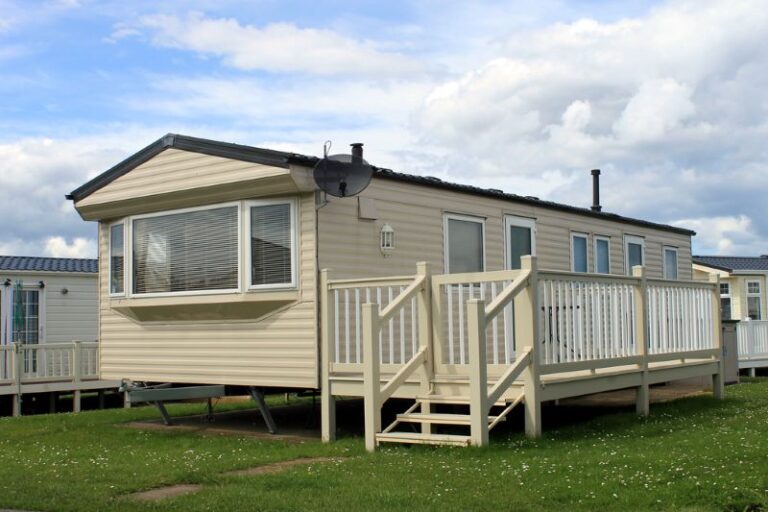
A mobile home is an affordable investment.