
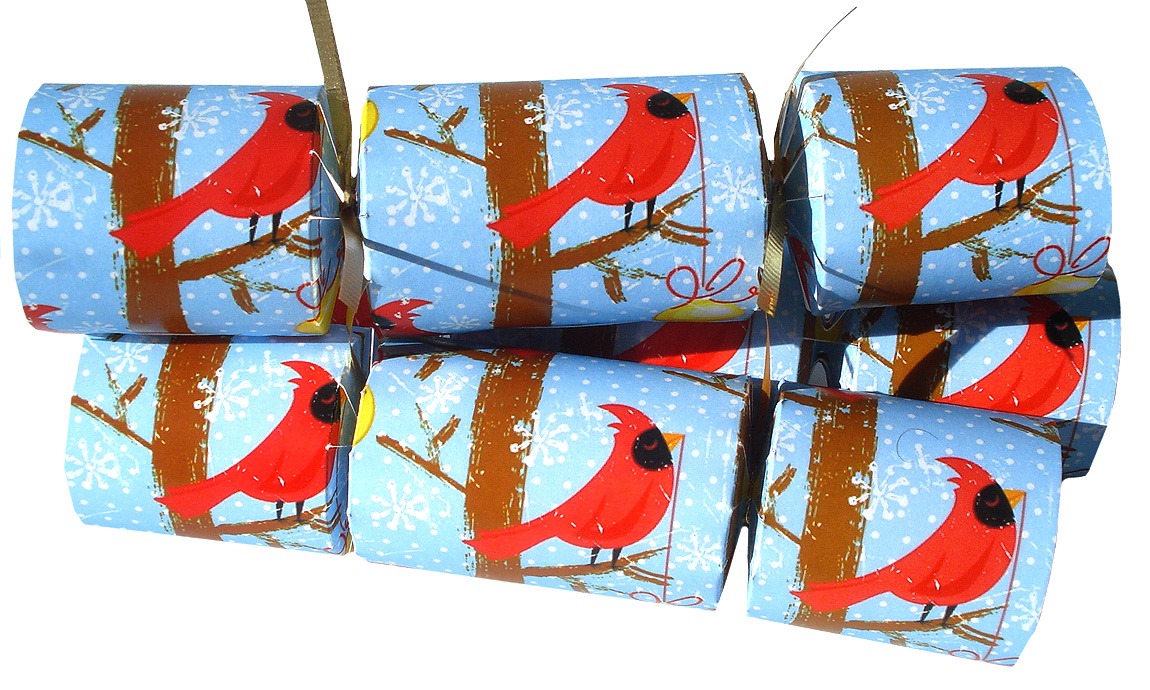
The Popping History of Christmas Crackers
6 min read
1043 words
In households across the UK, Canada, Australia, and increasingly the United States, the distinct sound of a Christmas cracker snap is synonymous with the start of the holiday meal. These paper-wrapped novelties, containing a small trinket, a ridiculous joke, and the essential paper crown, are a staple of festive dining. But how did this quintessential piece of Christmas tradition begin? It’s a story rooted in Victorian ingenuity, French confectionery, and the simple desire to make Christmas a little louder. For those eager to understand the lineage of this beloved custom, let’s delve into the fascinating, explosive history of Christmas crackers.
The Victorian Spark: Tom Smith’s Confectionery Revelation
The story of the modern Christmas cracker begins not with a bang, but with a bonbon. The inventor was Tom Smith, a London confectioner, who first hatched the idea in the mid-1840s.
Smith, always looking for unique ways to market his sweets, took a trip to Paris. While there, he noticed the French custom of wrapping sugared almonds and other treats—known as bonbons—in twisted tissue paper. This elegant presentation sparked an immediate idea: He could bring this novel wrapping style back to London and apply it to his own confectionery line.
However, the simple wrapped sweet proved underwhelming to the discerning Victorian customer. Sales were modest until Smith realized he needed to add a surprise to make the package truly irresistible. He began tucking small verses, riddles, or love tokens alongside the sweets.
The ultimate breakthrough came a few years later. Inspired by the crackling sound of a log popping in his fireplace, Smith realized the simple paper wrapping needed an audible element to truly capture the celebratory spirit of Christmas.
From Bonbons to “Cosaques”: The Invention of the Snap
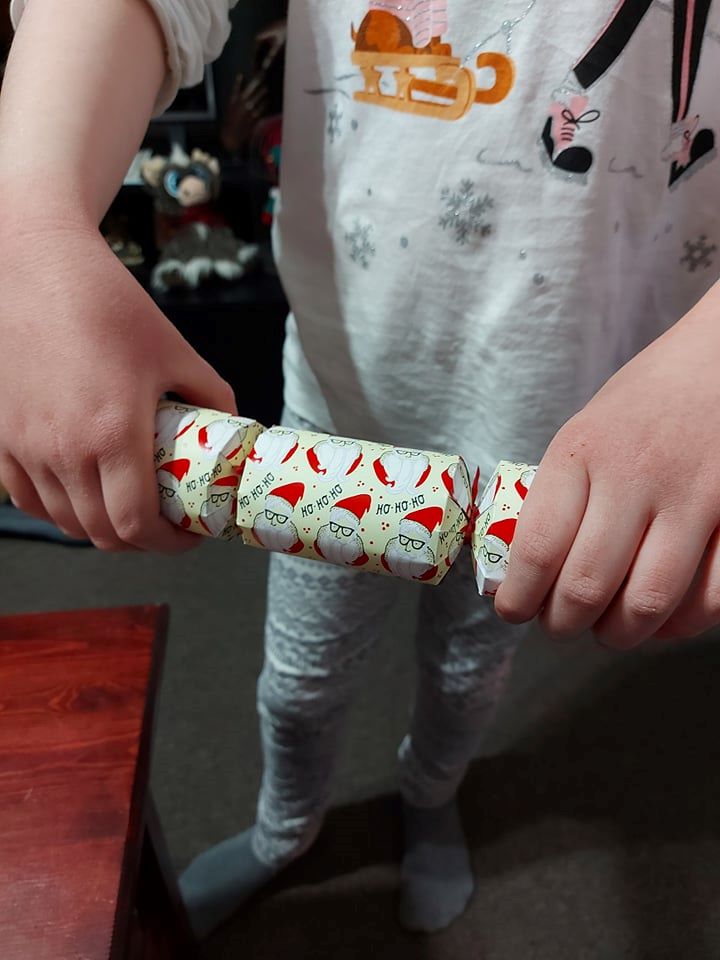
Smith dedicated himself to developing a device that could produce a loud, satisfying snap when the wrappers were pulled apart. This critical element involved incorporating two narrow strips of chemically-prepared paper (containing a small amount of silver fulminate) that would pull against each other to create a small friction-based explosion.
Initially, these new popping treats were marketed as “Cosaques” (an anglicized reference to the Cossack soldiers, famous at the time for their powerful, cracking whips and musket fire). The new cracker was an instant success, transforming a simple sweet into an interactive, exciting party game.
Following Tom Smith’s death, the business was taken over by his sons, who expanded and refined the product. It was under their stewardship that the original sweet was gradually replaced by the inclusion of paper novelties and small toys, further cementing the cracker as a festive novelty rather than just a confectionery wrapper.
The Evolution of the Christmas Cracker Contents
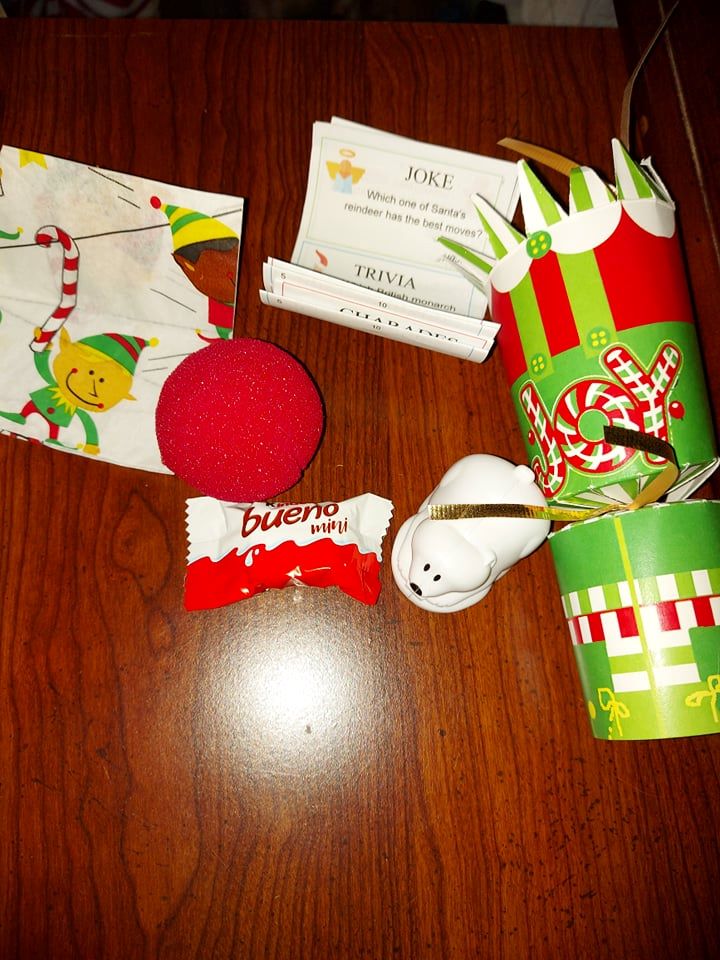
The contents of the Cosaque evolved dramatically toward the end of the Victorian era, moving away from sweets and embracing the trinity of novelties we recognize today.
The Paper Crown
Perhaps the most iconic element is the crumpled, often ill-fitting paper crown. The tradition of wearing a paper hat is thought to stem from the ancient Roman festival of Saturnalia, where celebrants wore diverse head coverings, or possibly from the medieval English tradition of the Lord of Misrule. Regardless of the exact source, the paper crown signifies temporary royalty and fun, placing everyone at the table on equal—and slightly silly—footing.
The Corny Joke or Riddle
If you’ve ever pulled a cracker, you know the jokes are meant to be groaned at, not laughed with. These deliberately bad, often pun-heavy jokes are a foundational element of the cracker’s charm, successfully breaking the ice and encouraging collective, lighthearted interaction at the dinner table.
The Small Trinket
The original tokens evolved into miniature toys, whistles, measuring spoons, or other small practical items. While early Victorian crackers contained surprisingly high-quality silver or porcelain miniatures, modern crackers typically feature smaller, inexpensive plastic or cardboard novelties, though luxury crackers are now bringing back higher-quality gifts.
Why We Pull Christmas Crackers: The Ritual of Togetherness
The act of pulling a cracker is more than just opening a gift; it is a shared ritual that dramatically shifts the atmosphere of the holiday meal.
The Element of Surprise: The moment of the snap, followed by the scramble for the contents, immediately introduces excitement. Because the cracker is pulled by two people simultaneously—with the goods usually going to the person left holding the larger end—it introduces a fun, harmless element of competition.
Breaking the Ice: In a gathering that might include extended family members who rarely see one another, the mandatory paper crown and the reading of a profoundly awful joke serve as an immediate ice-breaker, fostering shared laughter and festive spirit.
The cracker, therefore, serves as a powerful symbol of unity and shared experience during the holiday season, encouraging everyone at the table to participate in the collective fun.
Modern-Day Crackers: Luxury, Sustainability, and Customization
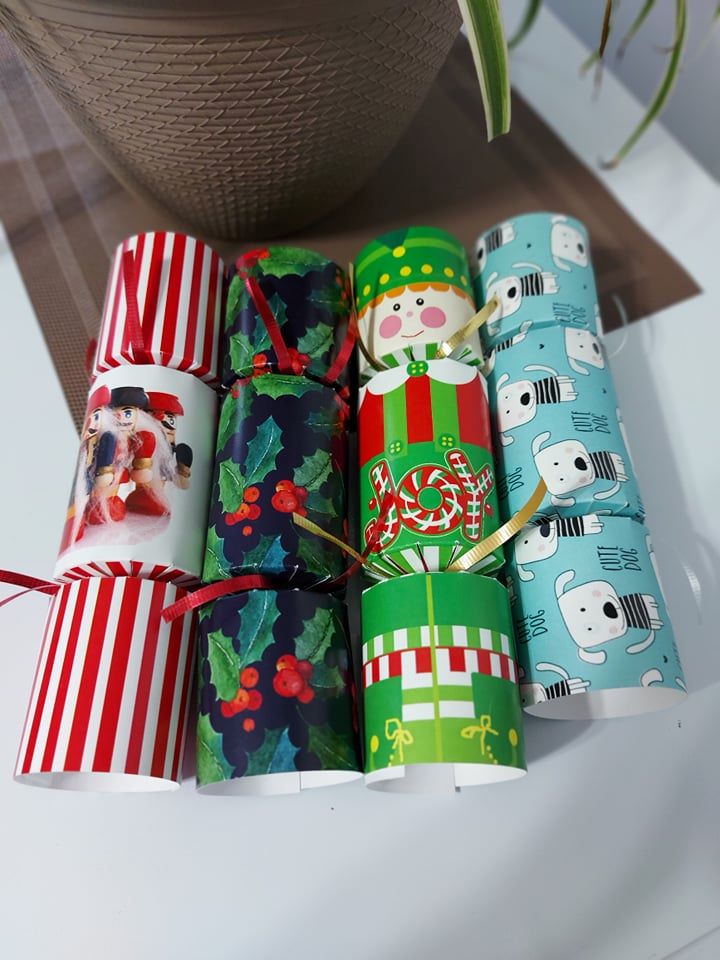
While the classic red, green, and gold crackers remain popular, the modern cracker market caters to every taste and budget.
The Luxury Market: Modern luxury crackers often feature high-quality gifts, such as small vials of perfume, jewelry, high-end gadgets, or gourmet miniature treats. These provide the festive experience while delivering a gift that is genuinely desirable.
The Sustainability Movement: In response to environmental concerns regarding plastic toys and disposable paper, many consumers are opting for eco-friendly alternatives. These include:
- Crackers containing seed paper, puzzles, or wooden toys.
- Reusable fabric crackers that contain a sustainable “snap” and can be filled with custom gifts year after year.
Whether simple or extravagant, the core purpose remains unchanged: to bring a momentary flash of excitement to the Christmas table.
Conclusion: An Enduring Tradition of Festive Fun
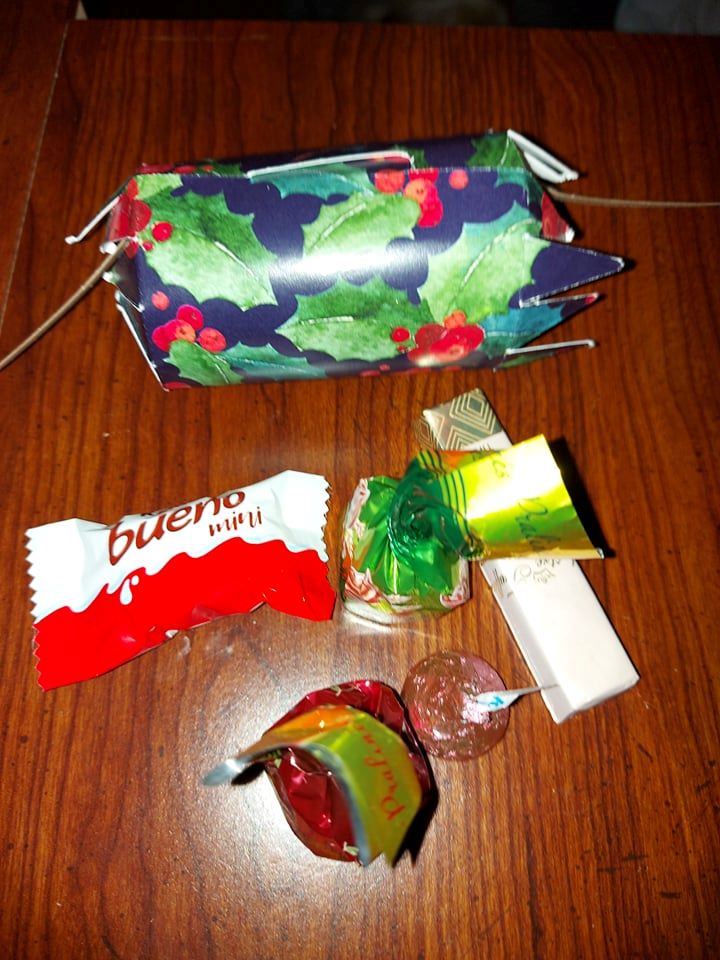
From its humble beginnings as a French bonbon wrapper in Victorian London to the loud, decorative centerpiece of modern holiday dining, the Christmas cracker holds a unique place in festive history.
Invented by Tom Smith nearly 180 years ago, this festive party favor has endured because it perfectly encapsulates the spirit of Christmas: giving, sharing, and embracing a little lighthearted silliness.
So, as you gather with friends and family this holiday season, remember the Victorian confectioner who turned a simple spark into a beloved, booming tradition. Don’t forget to pull a cracker—and may you always get the larger end!






I have to admit I had no idea this tradition existed.