Ways to Achieve Calm at Home During Covid
10 min read
1943 words
The world shifted dramatically with the onset of the COVID-19 pandemic. Our homes, once places we returned to for respite, rapidly transformed into our offices, schools, gyms, and our entire social spheres. While this provided a crucial layer of safety, it also introduced unprecedented levels of stress, anxiety, and a blurring of boundaries that previously helped us maintain mental well-being. The constant news cycle, the fear of illness, economic uncertainty, and the pervasive sense of isolation created a landscape ripe for overwhelm. In these challenging times, actively cultivating a sense of calm within our home environment became not just a luxury, but a vital strategy for survival and resilience. Our homes, whether small apartments or sprawling houses, needed to become more than just shelters; they needed to be havens where peace could be intentionally fostered. This extensive guide explores practical, actionable ways to achieve and maintain that much-needed tranquility, transforming your living space into a true sanctuary amidst the storm.
Crafting Your Physical Oasis: The Environment Matters
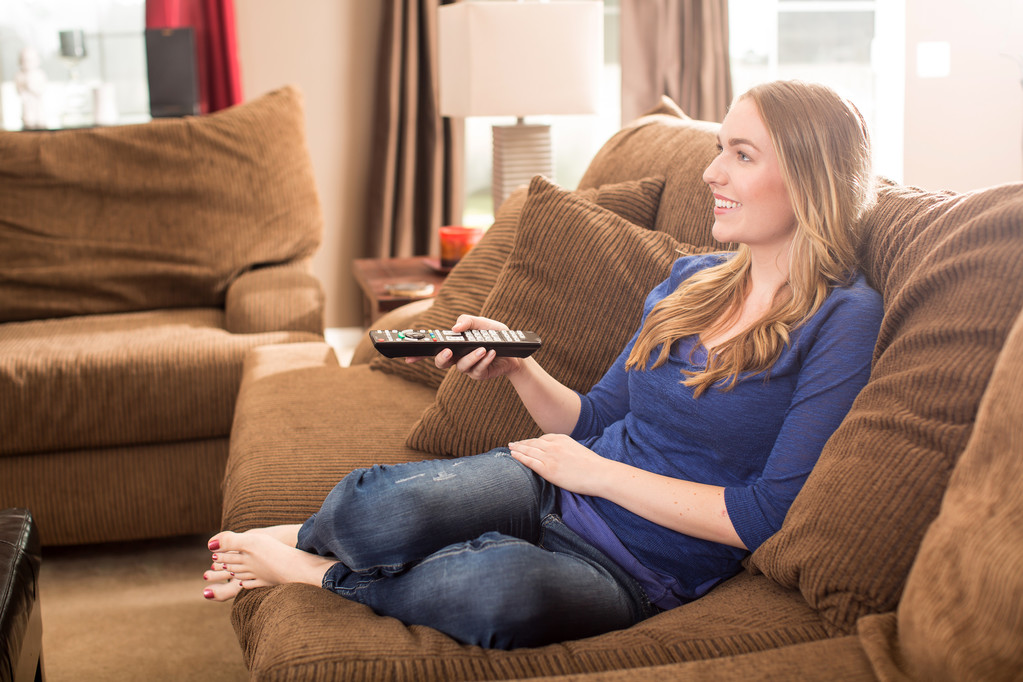
Our physical surroundings have a profound impact on our mental state. A cluttered, chaotic space can mirror and amplify inner turmoil, while an organized, aesthetically pleasing environment can promote a sense of order and peace. During the pandemic, when our outdoor movements were restricted, optimizing our immediate surroundings became even more critical.
- Declutter and Organize: Begin by decluttering. Go through each room methodically, removing items that no longer serve a purpose, bring you joy, or contribute to functionality. Less clutter means less visual noise, which can significantly reduce mental fatigue. Once decluttered, establish organizational systems. Use baskets, shelves, and drawers to give everything a designated home. When your physical space feels organized, your mind often follows suit, creating a foundational layer of calm.
- Embrace Natural Light: maximize natural light whenever possible. Open curtains and blinds during the day. Natural light boosts mood, regulates circadian rhythms, and can alleviate symptoms of seasonal affective disorder, which many experienced intensified during periods of lockdown. If natural light is scarce, invest in full-spectrum “daylight” bulbs.
- Incorporate Nature: Bring the outside in. Houseplants not only purify the air but also add a touch of living vibrancy and natural beauty. Studies show that being around plants can reduce stress and improve concentration. Even a small vase of fresh flowers can make a difference. Consider nature-inspired art or photographs that evoke a sense of peace.
- Aromatherapy for Ambiance: Our sense of smell is powerfully linked to memory and emotion. Essential oil diffusers can create a wonderfully calming atmosphere. Scents like lavender, chamomile, sandalwood, or frankincense are known for their relaxing properties. Experiment to find what works best for you, creating a signature calming scent for your home.
- Soundscapes of Serenity: The sounds around us play a huge role in our stress levels. If you live in a noisy environment, consider noise-canceling headphones for designated calm times or use a white noise machine or fan to mask disruptive sounds. Curate calming playlists – instrumental, classical, nature sounds, or gentle ambient music – to accompany relaxing activities like reading, cooking, or unwinding.
- Designate a “Calm Corner”: If possible, dedicate a small corner or even just a comfortable chair in your home specifically for relaxation. Equip it with a soft blanket, a good book, a cup of herbal tea, and maybe a dim lamp. Make it a tech-free zone where you can retreat for a few moments of peace, even if only for five minutes.
The Anchor of Routine: Bringing Structure to Uncertainty
One of the most disorienting aspects of the pandemic was the disruption of our established routines. Working from home, schooling from home, and the lack of social engagements blurred the lines between weekdays and weekends, work and leisure, often leading to a feeling of aimlessness and increased anxiety. Re-establishing a sense of routine, even a flexible one, provides a much-needed anchor in uncertain times.
- Establish a Consistent Sleep Schedule: Good sleep is fundamental to mental well-being. Try to go to bed and wake up at roughly the same time each day, even on weekends. Create a relaxing bedtime ritual – perhaps a warm bath, reading a book, or gentle stretching – to signal to your body that it’s time to wind down.
- Create Daily Rituals: Incorporate small, meaningful rituals into your day. This could be enjoying your morning coffee in silence, taking a short walk before starting work, or having a dedicated reading time before bed. These rituals break up the day, provide moments of intentional calm, and contribute to a sense of predictability.
- Set Work-Life Boundaries: For those working from home, it’s crucial to establish clear boundaries. Define a start and end time for your workday and stick to them. If possible, have a dedicated workspace that you can physically “leave” at the end of the day. Avoid working from your bedroom if you can, to keep that space sacred for rest.
- Schedule Breaks and Movement: It’s easy to get absorbed in tasks when at home, forgetting to move. Schedule regular breaks to stretch, walk around your home or neighborhood (if safe), or simply step away from your screen. Movement is a powerful stress reliever and helps to break up stagnant energy.
- Plan Ahead (Flexibly): While rigid planning might feel overwhelming, having a loose plan for your day or week can reduce decision fatigue. This could include meal planning, scheduling time for connecting with loved ones, or setting aside time for hobbies. The key is flexibility – be prepared to adjust without self-reproach.
Nourishing Your Mind: Mindfulness and Mental Well-being
Achieving calm isn’t just about external factors; it’s deeply rooted in our internal landscape. During the pandemic, many faced heightened stress, anxiety, and even grief. Actively nourishing your mind with mindful practices can create an internal haven, irrespective of external circumstances.
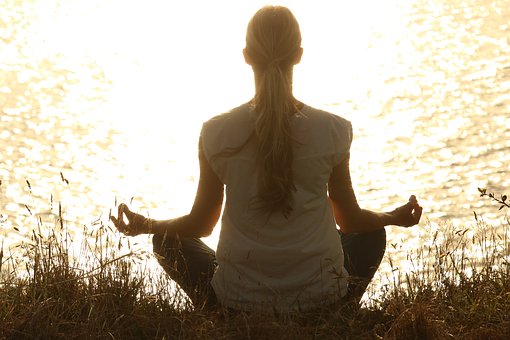
- Practice Mindfulness and Meditation: Even a few minutes of mindfulness a day can make a significant difference. There are numerous guided meditation apps (e.g., Calm, Headspace) that can walk you through basic practices. Focus on your breath, observe your thoughts without judgment, or engage your senses fully in a simple activity like drinking tea. Mindfulness helps to ground you in the present moment, reducing rumination about the past or anxiety about the future.
- Deep Breathing Exercises: When feeling overwhelmed, deep breathing is a rapid and effective way to calm your nervous system. Try the 4-7-8 method: inhale for a count of four, hold for seven, and exhale for eight. Repeat several times. This simple technique can lower heart rate and blood pressure, promoting immediate relaxation.
- Journaling for Self-Reflection: Keeping a journal allows you to process thoughts and emotions without judgment. Write down your worries, your hopes, your daily observations, or practice gratitude journaling. Putting feelings onto paper can provide clarity, reduce emotional load, and help you identify patterns in your thinking.
- Practice Gratitude: Regularly acknowledging things you are grateful for, no matter how small, can shift your perspective from scarcity and fear to appreciation. Keep a gratitude journal, share a “gratitude moment” with family, or simply take a few minutes each day to reflect on what went well.
- Limit News and Social Media Consumption: While staying informed is important, constant exposure to negative news and the curated realities of social media can fuel anxiety. Designate specific times for checking news from reliable sources and limit your overall screen time. Consider unfollowing accounts that trigger negative emotions.
- Engage in Mindful Eating: Instead of rushing through meals, take time to truly savor your food. Pay attention to the colors, textures, aromas, and flavors. Eat slowly, without distractions, allowing your body to register fullness and your mind to appreciate the nourishment.
Disconnecting to Reconnect: Managing Digital Overload
The pandemic forced many aspects of our lives online, from work and education to social connections. While technology proved invaluable, it also led to an unprecedented level of digital saturation and what some coined “Zoom fatigue.” Learning to intentionally disconnect became crucial for mental clarity and genuine connection.
- Implement Digital Detox Periods: Designate specific times or even entire days where you unplug from non-essential devices. This could be an hour before bed, during meals, or for a full weekend afternoon. Use this time to engage in offline activities.
- Curate Your Digital Environment: Be intentional about the content you consume. Unsubscribe from overwhelming newsletters, mute group chats that cause stress, and be selective about who you follow on social media. Your digital space should support, not detract from, your calm.
- Set Screen Time Limits: Many devices offer features to track and limit screen time for specific apps or overall usage. Utilize these tools to regain control over how much time you spend online.
- Create Tech-Free Zones or Times: Establish areas in your home (e.g., the dining table, bedroom) or specific periods (e.g., family dinner) where no screens are allowed. This encourages face-to-face interaction and allows for genuine presence.
- Re-evaluate Your Notifications: Turn off non-essential notifications on your phone and computer. Constant pings and alerts can disrupt focus and create a perpetual state of readiness, making it harder to relax.
Engaging in Calming Activities: Hobbies and Self-Care
Beyond structured practices, simply engaging in activities that bring you joy and a sense of accomplishment can be incredibly calming. When external options were limited, rediscovering or developing home-based hobbies became a vital outlet.
- Rediscover Hobbies: Dig out old hobbies or explore new ones that can be done at home. This could include reading, knitting, painting, playing a musical instrument, solving puzzles, baking, or gardening (even indoor herb gardens). Hobbies provide a sense of purpose and a creative outlet, allowing your mind to focus positively.
- Gentle Movement and Exercise: While gyms might have been closed, gentle forms of exercise like yoga, stretching, Pilates, or even dancing to your favorite music at home can release endorphins and reduce stress. Many free online resources and apps offer guided sessions suitable for all levels.
- Creative Expression: Engage in activities that allow for creative expression, regardless of skill level. This could be writing poetry, doodling, trying a new recipe, or simply arranging flowers. The act of creation can be deeply meditative and satisfying.
- Connect with Loved Ones (Virtually and Safely): While in-person contact was limited, maintaining social connections was crucial. Schedule regular video calls, virtual game nights, or even old-fashioned phone calls with friends and family. Knowing you’re connected and supported can be profoundly calming.
- Prioritize Self-Care Rituals: Self-care extends beyond bubble baths, though those are certainly welcome! It’s about intentionally nurturing yourself. This could mean a long, hot shower, a luxurious skincare routine, listening to a podcast, enjoying a cup of herbal tea, or simply sitting in silence. Make these rituals non-negotiable parts of your week.
Conclusion
The COVID-19 pandemic presented unprecedented challenges to our well-being, forcing us to redefine what “normal” looked like and how we found solace. Our homes became our entire world, and recognizing their potential as a source of calm and sanctuary was a powerful realization. By intentionally shaping our physical environment, establishing comforting routines, practicing mindfulness, managing our digital lives, and engaging in fulfilling activities, we can cultivate a sense of peace that resonates from within our walls outwards.
Achieving calm at home during such a turbulent period is not a passive state but an active pursuit. It requires conscious effort, self-compassion, and a willingness to adapt. Remember that progress, not perfection, is the goal. Each small step you take to foster peace within your personal space contributes to your overall resilience and capacity to navigate whatever challenges come your way. Your home is your haven – make it truly yours.
What are your favorite ways to achieve calm at home? Share your tips and experiences in the comments below!