A Different Kind of Safari by Helen C. Hipp
3 min read
584 words
One of the most valuable gifts we can offer our children is the ability to read. Recently, I had the joy of sharing a delightful book, A Different Kind of Safari, with my daughter. This book is not only exceptionally well-crafted but also serves as an excellent educational resource. It consists of 32 pages filled with vibrant illustrations on almost every page. Although the intended age range for readers is between 9 and 14, it can be enjoyed by both younger and older audiences as well.
The author of the book, Helen C. Hipp, is a counselor and psychotherapist. Helen has transformed her educational background into a coaching practice known as WithinU Life.
This practice focuses on coaching individuals with special needs and their families, assisting them in navigating life’s challenges, and enabling them to celebrate and embrace their uniqueness in a society that often views differences as shortcomings. I commend her dedication and efforts. Her expertise is evident throughout this book.
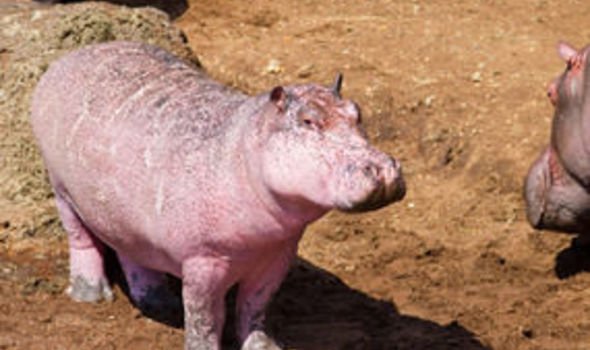
The narrative begins with a boy on an African Safari, who hails from Vermont. He spots a pink hippo and comments on her unusual appearance. The hippo is unbothered by her differences, which piques his curiosity. She recounts her experience of trying to cover her skin with mud to appear grey, only to have the mud wash off. The boy, named Ray, shares that he too feels different and is quite shy, often feeling uncomfortable in his own skin.
The tale of Eli-zee unfolds with two groups of horses, one white and the other black. Eli-zee struggles to make friends because of her differences. Whenever she tries to approach either group, they flee. One day, she discovers that her stripes allow her to blend into the shadows of the underbrush. She quietly observes the horses without being noticed. Eventually, she musters the courage to speak to one of the horses grazing nearby.
Initially, the horse was reluctant to converse with her, fearing that the other horses would witness their interaction. After reassuring her that she was not visible, the horse cautiously began to speak to Eli-zee. The horse revealed that all the horses were intimidated by her because she was unique and might attract predators to them. Eli-zee now comprehended this, but she reassured the horse that her stripes were actually advantageous, enabling her to camouflage within the brush. A predator cannot strike what it cannot see. For Eli-zee, being different was a form of protection.
Ray came to realize that being different was not a negative aspect, but rather a benefit to his individuality. He noticed the pink hippo, a delightful companion, TLC the affectionate old crocodile, and Eli-zee, the courageous zebra who embraced her uniqueness.
At the conclusion of the tale, Ray is awakened by his grandfather; the entire adventure was merely a dream. His grandfather clarified that ‘safari’ in Swahili translates to ‘long journey,’ which perfectly encapsulated Ray’s experience—a long journey towards self-acceptance and happiness.
This narrative serves as an excellent resource for individuals of all ages. We often tend to be overly critical of ourselves, yet it is essential to cultivate self-acceptance, appreciate our differences, and thrive because of them. Helen C. Hipp has authored a book that deserves to be read and shared.
I intend to share this book with numerous other parents. There are countless children and adults who feel isolated and believe they do not belong. Embrace what sets you apart, excel in your individuality, be true to yourself, and love others for their unique traits.