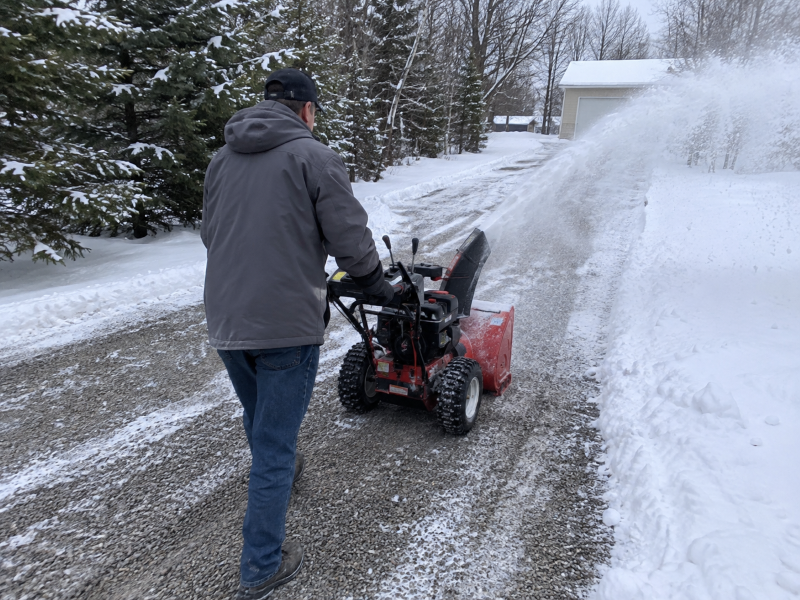
How to Use a Snowblower on a Gravel Driveway
12 min read
2238 words
Living on a hill with a long gravel driveway, I know that clearing snow in winter can be a challenge. When snow starts piling up, keeping the driveway accessible is important, especially when you have a slope to contend with and a considerable distance to clear. Unlike a paved driveway, gravel requires a little extra care when using a snowblower. Without the proper adjustments, a machine can pick up loose stones and send them flying through the discharge chute, potentially damaging vehicles, windows, siding and landscaping. It can also leave uneven patches along the driveway or cause unnecessary wear on your equipment. A snowblower can save considerable time and physical effort during an Ontario winter, but choosing the right machine, adjusting the skid shoes and understanding how to clear an unpaved surface can make a real difference. The goal is to keep the driveway accessible without sending your gravel everywhere.
Can You Use a Snowblower on a Gravel Driveway?
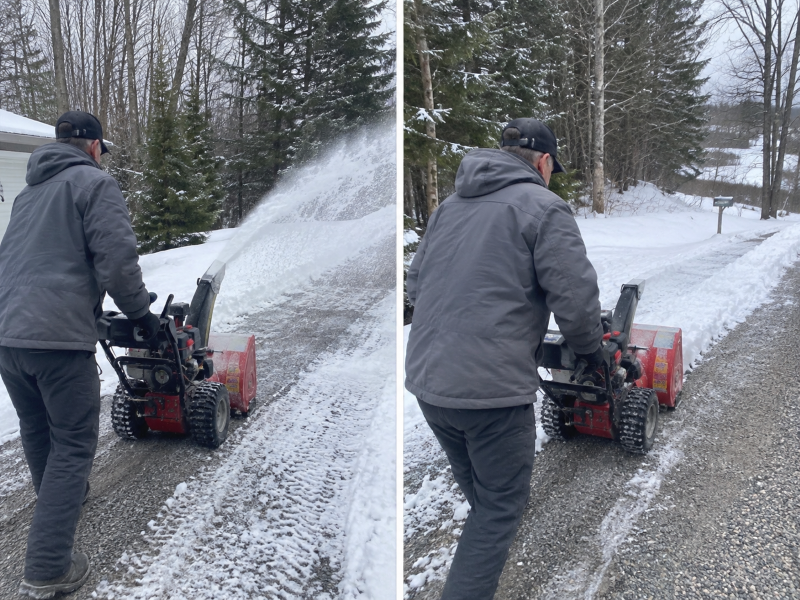
Yes, you can use a snowblower on a gravel driveway, but not every model is designed for the job. The main concern is the auger, which gathers snow and moves it toward the discharge chute. If the auger housing sits too close to loose gravel, the machine can pick up stones along with the snow. Those stones can be thrown with considerable force, creating a safety hazard for anyone nearby and potentially damaging property. This is why choosing the right machine and adjusting it before the first snowfall are especially important when maintaining an unpaved driveway.
A gravel driveway also changes throughout the winter. Vehicle traffic, freezing temperatures and thawing conditions can shift stones, create ruts and leave the surface uneven. A setting that works well in one section may not provide enough clearance in another. Unlike pavement, where the surface generally remains consistent, gravel requires you to pay attention to dips, loose patches and raised areas as you work. The goal is to remove enough snow to keep the driveway accessible without scraping down to the gravel underneath.
Choose the Right Snowblower for Gravel
The type of snowblower you use makes a significant difference. A single-stage snowblower is generally designed for smooth, paved surfaces. Its auger typically makes contact with the ground to help collect snow, which makes it less suitable for loose gravel. Even if you raise the machine, its design may not provide the clearance needed to prevent stones from entering the auger housing.
A two-stage snowblower is usually a better choice for an unpaved driveway. These machines use an auger to gather snow and an impeller to propel it through the discharge chute. Adjustable skid shoes allow you to raise the front of the machine, creating additional clearance over loose stones. Three-stage snowblowers are another option, but the number of stages alone does not determine whether a model is suitable for gravel. Before purchasing, check the manufacturer’s specifications and owner’s manual to confirm that the machine can be used on unpaved surfaces and has the necessary adjustments.
When shopping for a snowblower, consider the length and width of your driveway, the typical snowfall in your area and whether you regularly deal with heavy, wet snow. A machine that is too small may require more passes and take longer to clear the driveway, while an oversized model may be difficult to manoeuvre in tighter spaces. Choosing equipment that suits your property can make winter maintenance considerably easier.
Adjust the Skid Shoes Before Clearing Snow
One of the most important steps when using a snowblower on gravel is adjusting the skid shoes. Located near the sides of the auger housing, these components support the front of the machine and help control how close it sits to the ground. On a paved driveway, the skid shoes can be adjusted to allow the snowblower to clear close to the surface. Gravel requires more clearance because the auger housing should not scrape along the stones.
Raising the front of the machine helps reduce the chance of disturbing loose gravel and picking it up with the snow. There is no single clearance measurement that works for every snowblower or driveway. The correct adjustment depends on the machine’s design, the size of the stones and the condition of the surface. Follow your owner’s manual for the manufacturer’s recommended settings and instructions. It is also important to inspect the skid shoes throughout the winter because they can wear down with use. Uneven wear may cause one side of the snowblower to sit lower than the other, increasing the likelihood of picking up gravel.
Prepare Your Gravel Driveway Before Winter
A little preparation before winter arrives can make snow removal easier. Inspect your driveway in the fall and address deep ruts, low spots and areas where gravel has collected. Uneven sections make it harder to maintain consistent clearance, increasing the chance that the snowblower will catch loose stones. Pay particular attention to the driveway entrance, turnaround areas and places where vehicles regularly travel, as repeated traffic can shift gravel and create depressions.
Marking the edges of your driveway with snow stakes is another useful precaution. Once snow covers the ground, it can be difficult to tell where the driveway ends and the lawn, garden or ditch begins. Reflective markers make it easier to follow the driveway without accidentally running the snowblower over grass or landscaping. If your driveway has significant ruts or uneven sections, consider having it regraded before winter. A smoother surface makes it easier to clear snow consistently and reduces unnecessary wear on your equipment.
Wait Until the Ground Is Frozen
Early-season snowfall can be particularly difficult to manage because the gravel underneath may still be loose and the ground may be soft. When the surface has not frozen, stones can move more easily beneath the snowblower. Even with the skid shoes adjusted, the machine may pick up gravel if the ground is soft or uneven. This is one reason the first snowfall of the season sometimes requires a different approach from later snowfalls.
If snow arrives before the driveway has firmed up, consider using a shovel or snow pusher in areas where the snowblower could disturb the surface. Once the ground is frozen, the gravel is generally more stable and you can return to using your snowblower with the appropriate clearance. Being patient at the beginning of winter can save you the frustration of spreading stones across your property.
How to Clear Snow Without Throwing Gravel
Once your snowblower is adjusted and the driveway is ready, your technique matters. Start slowly and avoid rushing through the first pass. Moving at a controlled pace gives you more opportunity to notice changes in the driveway surface and adjust your approach if the machine begins picking up stones. Rather than trying to scrape every last bit of snow from the gravel, leave a thin layer behind. This is one of the biggest differences between clearing a paved driveway and clearing an unpaved one. On pavement, you may want to remove as much snow as possible, but on gravel, trying to reach the ground can pull stones into the auger housing.
Keep the snowblower moving steadily and avoid forcing it into areas where the gravel is loose or uneven. If you hear unusual rattling or notice stones coming through the discharge chute, stop and inspect the machine rather than continuing to operate it. Pay attention to where the chute is pointing, directing snow away from vehicles, windows, buildings and areas where people or pets may be present. Keep children and pets indoors while you are operating the machine. Even a small stone can cause damage or injury when thrown at high speed, so never assume that flying gravel is harmless.
Clearing a Long Gravel Driveway on a Hill
A long driveway can make winter snow removal a much bigger job, especially when it is on a hill. When you have a considerable distance to clear, you need to think about more than simply moving snow out of the way. You also need to consider where the snow will be piled, how much room you will have after several snowfalls and whether the driveway will remain safe to travel. Snow drifting, freezing rain and changing temperatures can make an already challenging driveway even more difficult to maintain.
Slopes require particular attention because loose gravel, packed snow and ice can make it difficult to maintain traction and control your equipment. Before operating a snowblower, review the manufacturer’s instructions for working on slopes and make sure you can maintain stable footing. Avoid rushing, wear footwear with good traction and never attempt to operate the machine on a slope if you cannot control it safely. If conditions are icy or the incline is too steep, consider whether another snow-clearing method would be safer.
Uneven sections also deserve attention. Dips, raised areas and ruts can change the distance between the auger housing and the gravel, increasing the chance of picking up stones. Take your time around these areas and check that the skid shoes are adjusted correctly. Planning where to move the snow before you begin can also help prevent large banks from building up along the driveway and leaving you with less room as winter progresses.
What to Do When Snow Is Deep or Heavy
Heavy, wet snow can be difficult to remove, even with a powerful snowblower. Trying to clear too much in one pass can overload the machine and make it harder to control. When snowfall is particularly heavy, consider making more than one pass. Removing the upper portion first and returning for the remaining snow can make the job more manageable, provided you maintain enough clearance to avoid disturbing the gravel. Moving at a slower pace also gives the machine more time to process the snow.
If snow has drifted into deep banks, approach them gradually rather than forcing the snowblower into the entire pile. Allow the machine to process the snow at a steady rate. If the snow is too deep or packed for your particular model, another clearing method may be safer. Never put your hands or feet inside the auger housing or discharge chute to remove a blockage. Turn off the engine, remove the ignition key and follow the manufacturer’s instructions for safely clearing an obstruction. The auger can cause serious injuries, even when the machine appears to have stopped.
Are There Alternatives to Using a Snowblower on Gravel?
Although a two-stage snowblower is often a practical option for gravel driveways, it is not the only way to manage winter snow. A shovel or wide snow pusher can work well for smaller driveways, walkways and areas where loose stones are a concern. These tools give you more control over how close you get to the surface, although they require more physical effort. For larger properties, a tractor with a suitable snowblower attachment may be worth considering.
Some homeowners also use a snowplow attachment on a truck, ATV or utility vehicle. However, plowing gravel requires care because the blade can push stones along with the snow, particularly when the ground is not frozen. Proper blade adjustment and ground clearance are important. The best option depends on the size of your driveway, the amount of snowfall you receive and how much physical work you want to do. Some homeowners find that combining methods works best, using a snowblower for the main driveway and a shovel around steps, garage doors and areas where gravel is especially loose.
Maintain Your Gravel Driveway Throughout Winter
Repeated vehicle traffic, snow removal and changing temperatures can cause gravel to shift. Over time, you may notice potholes, washouts or uneven areas developing. After major snowfalls, inspect the driveway whenever conditions allow. If gravel has been pushed toward the edges or collected in certain areas, make a note of where it may need to be redistributed in the spring. Avoid major grading work when the ground is frozen or covered in snow.
At the end of winter, check the surface for damage and arrange to fill potholes or smooth out uneven sections when conditions are suitable. Keeping the driveway in good condition makes it easier to clear snow the following season and can help reduce wear on your snowblower.
Get Your Snowblower Ready Before Winter
Using a snowblower on a gravel driveway does not have to be difficult, but preparation and proper adjustments are essential. Choosing a machine designed for unpaved surfaces, keeping the skid shoes in good condition and allowing enough clearance between the auger housing and the gravel can help prevent flying stones and unnecessary equipment damage. Before the first major snowfall, inspect your machine and check the belts, scraper bar, skid shoes, engine oil and other components according to the manufacturer’s maintenance schedule.
For more information about seasonal maintenance, read our guide on How to Get Your Snowblower Ready for Winter. A little maintenance before winter begins can help your snowblower perform more reliably when you need it most. With the right equipment, a properly prepared driveway and a careful approach, clearing a gravel driveway can become much more manageable. The goal is not necessarily to remove every trace of snow, but to keep the driveway accessible while leaving the gravel where it belongs.
If you are shopping for a snowblower, Cub Cadet Canada’s snowblower buying guide explains which types of machines are better suited to gravel driveways and why adjustable skid shoes are important when clearing uneven surfaces.