Ice Fishing Huts: Renting, Buying and What to Expect
9 min read
1671 words
Ice fishing does not always mean sitting outside in the cold, waiting for a fish to bite. For many anglers, ice fishing huts make winter fishing a much more comfortable experience. These shelters range from simple portable pop-up structures to insulated wooden huts with seating, heating and room for several people.
If you are new to ice fishing and want to learn about essential equipment, ice safety and fishing techniques, take a look at our guide, Ice Fishing for Beginners: Safety, Gear and Tips. Once you understand the basics, exploring the different types of ice fishing huts can help you decide whether a sheltered fishing experience is right for you.
Some huts are designed to be moved frequently, while others remain on the ice for extended periods during the winter fishing season. Depending on the location and type of shelter, an ice fishing hut can provide a place to escape the wind, organize fishing equipment and enjoy a longer outing.
Whether you are considering renting a hut for the first time or thinking about purchasing one of your own, understanding the different options can help you decide what works best.
What Is an Ice Fishing Hut?
An ice fishing hut is a shelter designed to be used on a frozen lake or other suitable body of water. Its main purpose is to provide protection from winter weather while allowing anglers to fish through openings in the floor or directly through drilled holes in the ice.
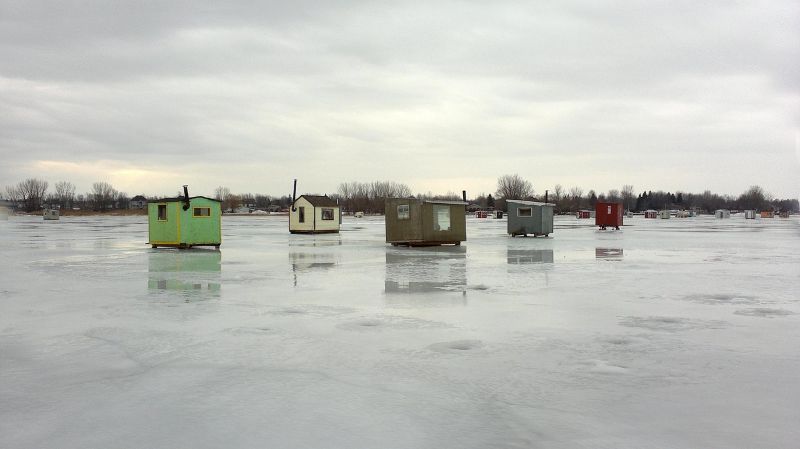
Not all ice fishing huts look alike. Some are lightweight fabric shelters that fold into a carrying bag, while others are larger, more permanent-looking structures made from wood, metal or insulated panels. Their size and features depend on how they are intended to be used.
A small portable shelter may provide enough room for one or two anglers, whereas a larger wooden hut can accommodate a family or group of friends. Some commercial ice fishing operations also offer heated huts with seating and other conveniences.
Different Types of Ice Fishing Huts
Portable pop-up huts are popular with anglers who want flexibility. These shelters can be folded down, transported and set up in different locations. They are generally lighter than permanent-style huts and can be a practical option for people who do not want to tow a larger structure.
Flip-over shelters are another option. These typically combine a seating system with a shelter that folds over the angler during transport. They are convenient for individuals who frequently move between fishing locations and prefer not to carry several separate pieces of equipment.
Hard-sided ice fishing huts offer a different experience. Often constructed from wood, metal or composite materials, they provide a more solid enclosure than fabric shelters. Some include benches, windows, insulation and space for multiple fishing holes. Their weight and transportation requirements can make them less convenient to move, but they may be appealing to anglers who spend considerable time in one location.
There are also larger ice fishing cabins that are used by commercial operators or experienced anglers. Depending on the setup, these may include comfortable seating, multiple fishing stations and heating systems. Some are designed for day trips, while others may be offered as part of an overnight fishing experience.
Should You Rent or Buy an Ice Fishing Hut?
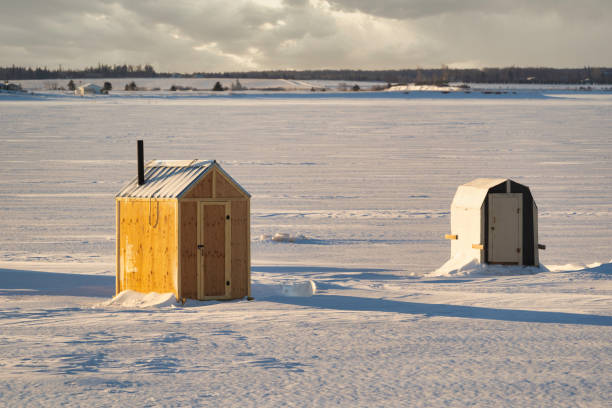
If you are new to fishing from a shelter, renting an ice fishing hut can be a sensible way to try the experience before investing in one. A rental gives you the opportunity to see what features you appreciate, how much room you need and whether you enjoy spending time inside a shelter.
Rental arrangements vary. Some operators provide the hut, fishing holes and basic amenities, while others may include fishing equipment, bait or assistance from a guide. Before booking, ask exactly what is included so you know what to bring yourself.
Buying a hut may make more sense for someone who fishes regularly throughout the winter. Owning one gives you greater control over its size, layout and features. However, the purchase price is only part of the expense. You may also need suitable transportation, storage space and equipment for moving the shelter safely.
Think about how often you realistically expect to use it. If you only plan to go ice fishing a few times each winter, renting may be more practical. If winter fishing is something you look forward to regularly, owning a shelter could be a worthwhile investment.
What Amenities Can You Find Inside an Ice Fishing Hut?
The features inside an ice fishing hut depend on its size, construction and intended use. A basic shelter may offer little more than protection from wind and snow, while a larger rental hut may provide several conveniences.
Some huts have benches or built-in seating, windows for viewing the surrounding lake, shelves for storing supplies and multiple fishing openings. Insulated walls and flooring can make the interior more comfortable, particularly during longer outings.
Heating is another feature to ask about. Some shelters use approved fuel-burning heaters, while others may have different heating arrangements. Always understand how the heating system operates before using it. Fuel-burning equipment requires proper ventilation and a working carbon monoxide detector. Never assume that a closed shelter is safe simply because the heater is operating normally.
If you are renting a hut, ask whether electricity is available, whether you can charge devices and whether lighting is provided. These details can make a difference when planning a longer visit.
What Is It Like to Spend the Day in an Ice Fishing Hut?
One of the appealing things about fishing from a hut is having a sheltered place to relax between bites. Instead of spending the entire outing exposed to the wind, you can sit inside, enjoy a warm drink and watch your fishing lines.
The atmosphere can be surprisingly peaceful. You may hear the sounds of people moving around on the lake, see other fishing shelters in the distance or simply enjoy the quiet winter scenery. For families and groups of friends, a hut can also provide a comfortable place to spend time together.
It is important to remember that an ice fishing hut is still a fishing shelter, not necessarily a fully equipped cabin. Space may be limited, and the available amenities can vary considerably. Before booking, find out how many people the hut comfortably accommodates and whether there is enough room for everyone to sit and fish.
Renting an Ice Fishing Hut: Questions to Ask Before Booking
If you are considering renting a hut, take time to understand what the booking includes. Prices and arrangements vary between operators, so comparing the details can help avoid surprises.
Ask whether the rental is for a few hours, a full day or an overnight stay. Find out how many people are permitted inside and whether children are welcome. Some operators may provide fishing equipment and bait, while others expect visitors to bring their own supplies.
You should also ask about access to the hut. Is transportation across the ice included, or are you expected to reach it yourself? Where do you park? What happens if weather conditions change and the operator needs to cancel?
Find out whether washroom facilities are available and whether food or drinks are provided. If you are planning an extended visit, these practical details are worth knowing before you arrive.
Most importantly, choose an established operator who takes ice conditions and visitor safety seriously. Ask how the operator monitors conditions and what arrangements are in place if the ice becomes unsuitable for access.
Can You Stay Overnight in an Ice Fishing Hut?
Some ice fishing accommodations offer overnight experiences, but not every hut is designed or approved for overnight use. A basic portable shelter is very different from a purpose-built rental cabin with appropriate sleeping arrangements and facilities.
If you are considering an overnight stay, ask the operator specifically whether overnight accommodation is permitted. Find out what sleeping arrangements are available, whether bedding is supplied and what washroom facilities can be accessed.
Heating and carbon monoxide safety are especially important when spending extended periods inside an enclosed shelter. Follow all equipment instructions, maintain the required ventilation and ensure appropriate carbon monoxide detection is in place. Never use a cooking appliance or outdoor heater as an indoor heating source.
Also confirm whether the operator provides emergency contact information and instructions for leaving the area if conditions change.
Taking Care of Your Ice Fishing Hut
If you own a hut, proper maintenance can help extend its useful life. Portable shelters should be dried thoroughly before being packed away to prevent moisture, mould and unpleasant odours. Check fabric, seams, zippers and support poles for damage before storing everything for the off-season.
Hard-sided huts also need regular attention. Inspect doors, windows, hinges and exterior surfaces for signs of wear. Any damage that allows water or moisture inside should be addressed before the next winter season.
When the fishing season ends, follow local rules and deadlines for removing structures from the ice. Do not assume a hut can remain on a lake indefinitely. Requirements can vary by location, and owners are responsible for ensuring their structures are removed as required.
Is an Ice Fishing Hut Worth It?
An ice fishing hut can make winter fishing more comfortable and provide a different way to enjoy time on the lake. For occasional anglers, renting one may be the easiest way to experience sheltered fishing without worrying about purchasing, transporting and storing a structure.
For people who fish frequently, owning a hut may offer more flexibility and the opportunity to choose a setup that suits their needs. The right choice depends on your budget, how often you fish, the number of people joining you and the type of experience you want.
Whether you choose a simple portable shelter or a larger heated hut, the appeal is much the same: having a place to relax, enjoy the winter scenery and spend time fishing. For some anglers, that comfortable little shelter becomes one of the best parts of the ice fishing season.