How to Look After Your Deck Through Freeze and Thaw
7 min read
1396 words
Whether you live in Canada or the United States, winter can be hard on your outdoor deck. Snow, freezing rain, ice, rain and fluctuating temperatures can all take a toll on wood and composite decking. While it may be tempting to forget about your backyard once the colder weather arrives, a little seasonal maintenance can help protect your investment and prevent unnecessary repairs when spring comes around.
I live in Ontario, Canada, where winter weather can be unpredictable. We can experience snowstorms, freezing rain, milder temperatures and sudden cold snaps, sometimes all within the same week. These changing conditions are particularly hard on outdoor structures. Homeowners across Canada and the United States can experience similar challenges, although the amount of snow, ice and freezing temperatures will depend on where they live.
Understanding how freeze-and-thaw cycles affect your deck is an important part of keeping it in good condition throughout the winter.
What Is the Winter Weather Outlook for 2026–2027?
Winter 2026–2027 is expected to bring different weather patterns across Canada and the United States. A strong El Niño is developing in the Pacific Ocean and is expected to influence temperatures and precipitation across North America.
According to NOAA’s winter outlook, much of the northern United States is expected to experience warmer-than-average temperatures. Wetter-than-average conditions are favoured across parts of the southern United States and along the East Coast. Some areas around the Great Lakes are expected to have drier-than-average conditions.
Canada’s outlook is more varied. Environment Canada’s seasonal forecast issued November 1 favours above-normal temperatures for much of the country during November, December and January. However, the Old Farmer’s Almanac offers a different regional prediction for parts of southeastern Ontario, where it expects colder-than-normal temperatures and above-normal snowfall across southern Ontario.
As someone living in Ontario, I will be keeping an eye on those changing conditions. For homeowners in the Eastern Ontario area, periods of snow, melting and refreezing are worth preparing for. Even when average winter temperatures are milder, individual cold snaps and winter storms can still occur.
For deck owners, the important thing to remember is that a winter does not have to be exceptionally cold or snowy to cause damage. Repeated freezing and thawing can be just as troublesome. When moisture gets into small cracks or collects around deck boards, it can freeze, expand and contribute to deterioration.
Clean Your Deck Before Winter Sets In
One of the simplest ways to protect your deck is to start with a thorough cleaning. Fallen leaves, dirt, twigs and other debris can collect between deck boards and trap moisture. When temperatures fluctuate, that moisture can freeze and expand.
Sweep away leaves and debris, paying particular attention to the spaces between the boards. These gaps are important because they allow water to drain away rather than collect on the surface.
If your deck needs a deeper cleaning, use a cleaner suitable for its material. Avoid aggressive cleaning methods that could damage the finish or surface. Ideally, cleaning and any necessary sealing should be completed before consistently freezing temperatures arrive.
Check for Loose Boards, Cracks and Damaged Railings
Before winter weather becomes severe, take a few minutes to inspect your deck. Look for loose boards, raised nails, protruding screws, cracks and splintering wood. Pay attention to the stairs, railings, support posts and areas where the deck connects to your home.
Small problems can become more noticeable after months of moisture and temperature changes. Water entering cracks can freeze and expand, potentially making existing damage worse.
Check that railings are secure and that stairs are stable. If you notice movement in the supporting structure, damaged posts or problems with the deck’s connection to your home, arrange for a qualified professional to inspect it.
Make Sure Water Can Drain Away
Good drainage is one of the most important parts of winter deck maintenance. Water should not sit on the surface or collect around the structure.
Check that the spaces between deck boards are clear. Remove leaves and other debris that could block drainage. Also look around the deck’s perimeter to make sure melting snow and rainwater can flow away rather than collecting beneath the structure or against your home’s foundation.
If your deck has areas where water regularly pools, consider having the drainage issue assessed before it contributes to further damage.
Remove Snow Carefully
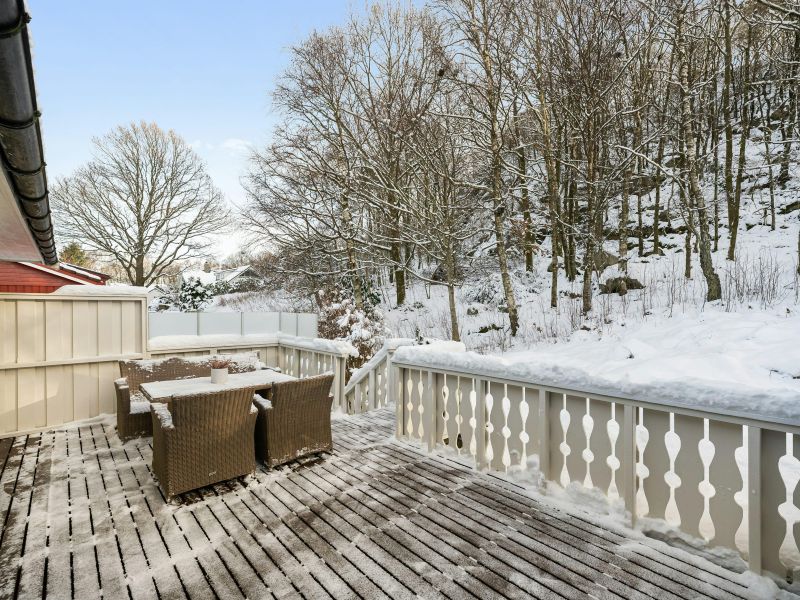
Although a deck is designed to withstand outdoor conditions, allowing heavy snow to accumulate for extended periods is not always a good idea. Regular snow removal also helps reduce slippery conditions around stairs and entrances.
Use a plastic snow shovel without a metal cutting edge or a soft-bristled broom. When shovelling, work in the direction of the deck boards rather than across them. Avoid scraping aggressively, as this can scratch composite decking or damage wood surfaces.
Never use a metal shovel or ice chopper to break up stubborn ice on your deck. You could end up damaging the surface while trying to make it safer.
If snow is particularly heavy or you suspect your deck has structural problems, avoid putting yourself at risk trying to clear it.
Be Careful With Salt and Ice Melt
When freezing rain and icy conditions arrive, it can be tempting to reach for whatever ice-melting product is available. However, not every product is suitable for every deck.
Some de-icing products can affect wood finishes, leave stains or damage certain composite materials. Before applying salt or ice melt, check the decking manufacturer’s recommendations.
For some composite decking products, manufacturers permit specific ice-melting products but recommend rinsing away any residue afterward. Always follow the instructions for your particular deck rather than assuming one product is safe for all surfaces.
Keeping stairs and access points clear is important, but protecting the decking material should also be considered.
Protect Your Outdoor Furniture and Accessories
Winter is a good time to put away outdoor cushions, fabric accessories, umbrellas and other items that are not designed to withstand harsh weather.
Move lightweight furniture into a shed or garage if possible. If larger pieces must remain outside, use appropriate protective covers and avoid dragging heavy furniture across the deck surface.
Planters deserve attention too. Water can collect beneath pots, leaving damp marks or stains. Move them where possible, or use suitable risers to allow air to circulate underneath.
A little preparation can make spring cleanup much easier.
What About Sealing or Staining Your Deck?
If you have a wood deck, protective stain or sealant can help reduce moisture absorption. However, applying these products in cold or damp weather is not recommended.
Most deck sealers and stains have specific temperature and moisture requirements. Check the manufacturer’s instructions before starting any project. If temperatures are already too low, wait until suitable weather returns in spring or summer.
A properly maintained protective finish can help your deck withstand exposure to rain, snow and changing temperatures.
Composite decking generally has different maintenance requirements and does not need the same staining or sealing as natural wood. Always follow the care instructions for your particular product.
Inspect Your Deck Again in Spring
Once winter begins to ease, take another look at your deck. Melting snow and several months of changing temperatures may reveal problems that were not obvious in the fall.
Look for loose fasteners, cracked boards, damaged railings, staining and areas where water may have collected. Check the stairs and supporting structure before returning outdoor furniture and using the deck regularly.
If you notice significant movement, structural damage or deterioration, have it assessed before using the deck.
A Little Winter Maintenance Goes a Long Way
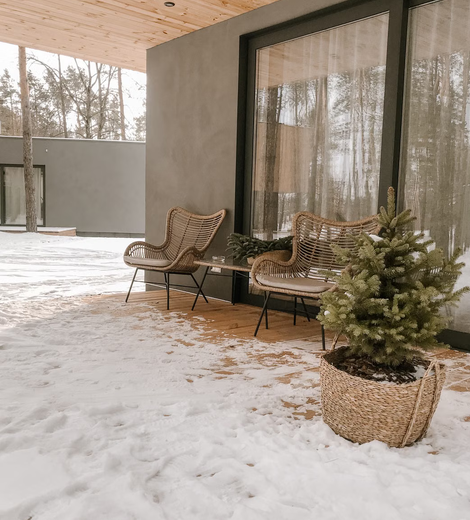
Your deck does not need constant attention throughout the winter, but ignoring it completely can allow small maintenance issues to become bigger problems.
If your deck is looking weathered, faded or worse for wear, winter is also a good time to start planning a restoration project for warmer weather. In my guide, DIY Deck Restoration: Step-by-Step, I share practical advice for bringing an older deck back to life.
Whether you are dealing with heavy snowfall in Canada, freezing rain in the northern United States or fluctuating winter temperatures elsewhere, a little seasonal maintenance can go a long way.
Living in Ontario, I know how quickly winter weather can change. Taking a few preventative steps now can help protect your outdoor space, reduce the risk of damage and leave you better prepared for enjoying your deck when warmer weather returns.