How to Protect Your Garden in Winter: 8 Tips
11 min read
2174 words
Winter can be particularly hard on a garden. Freezing temperatures, fluctuating weather, heavy snowfall, icy winds, and road salt can all affect the health of trees, shrubs, perennials, and garden soil. While many plants naturally enter dormancy during the colder months, that doesn’t mean they are completely protected from winter damage.
For Canadian homeowners, preparing the garden for winter is an important part of maintaining a healthy landscape. A little attention before the ground freezes can help protect vulnerable plants, reduce unnecessary damage, and make spring gardening considerably easier.
The good news is that winter garden preparation doesn’t have to involve expensive products or hours of work. Understanding which plants need protection, how to care for garden soil, and when to leave nature alone can make a meaningful difference.
Whether you maintain a large backyard garden, grow flowering perennials, or simply have a few shrubs and trees around your home, these practical winter gardening tips can help prepare your landscape for the months ahead.
1. Protect Young Trees from Rabbits and Other Wildlife
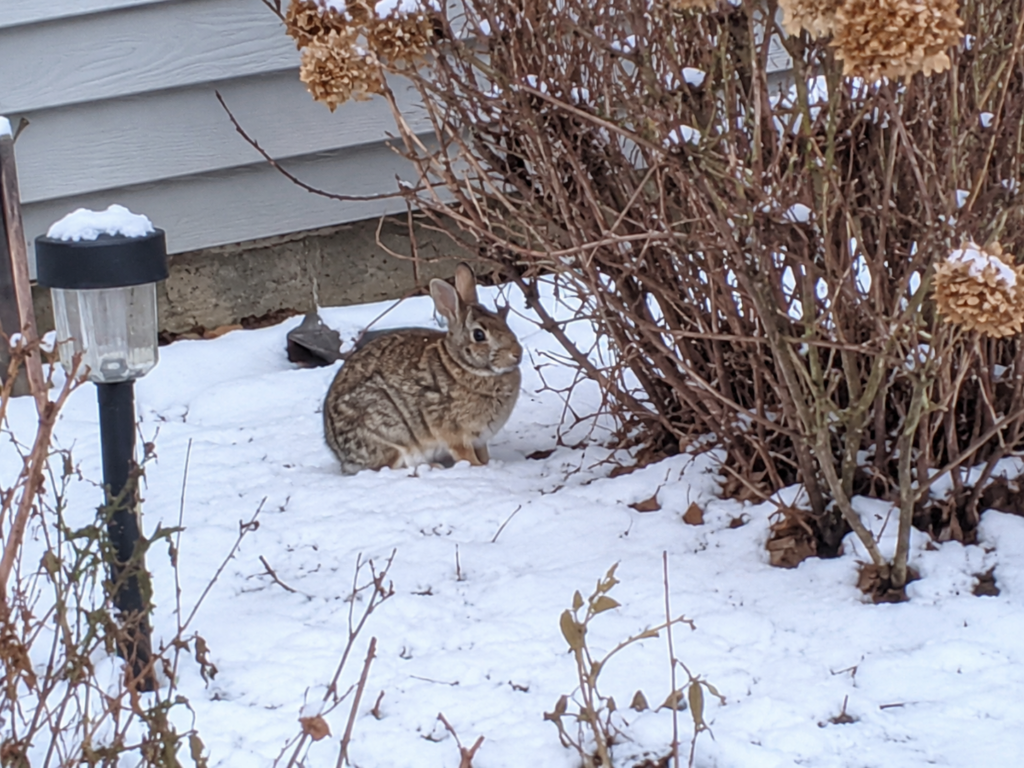
One winter gardening problem homeowners sometimes overlook is animal damage. During the growing season, rabbits and other small animals have access to a variety of natural food sources. When snow covers the ground and vegetation becomes harder to find, however, they may turn their attention to the bark of young trees and shrubs.
Rabbits can chew through the bark of young trees, particularly near ground level or wherever snow provides easier access. Mice and voles can also damage trees by feeding on bark around the base of the trunk. When damage extends around the trunk, it can interfere with the movement of water and nutrients between the roots and the rest of the tree. Severe girdling can kill a young tree.
Installing a suitable tree guard or cylinder of hardware cloth can help prevent animals from reaching the bark. The protective material should be tall enough to account for expected snow accumulation and positioned with enough space around the trunk to avoid rubbing or restricting growth. Check the guards periodically throughout winter to make sure they remain in place and aren’t trapping moisture against the tree.
Newly planted fruit trees, ornamental trees, and young deciduous trees deserve particular attention. A few minutes spent protecting them in late autumn can prevent damage that may otherwise take years to correct.
2. Protect Evergreens from Winter Burn
Have you ever noticed that an evergreen shrub looks healthy in autumn but develops brown or reddish foliage by late winter or early spring? This may be winter burn, a common form of winter injury affecting certain evergreen trees and shrubs.
Unlike deciduous trees, which shed their leaves before winter, evergreens retain their foliage. They continue losing moisture through their needles or leaves, even when temperatures are below freezing. When the soil is frozen, roots cannot readily replace the moisture being lost. Exposure to cold, drying winds and bright winter sunlight can make the problem worse.
Certain plants, including arborvitae, boxwood, rhododendrons, and some types of cedar, may be particularly vulnerable depending on their location and growing conditions. Newly planted evergreens and plants growing in exposed areas may need additional attention.
One of the most useful preventative measures is providing adequate moisture before the ground freezes. If autumn has been unusually dry, give evergreens a thorough watering while the soil is still workable. Apply a layer of organic mulch over the root zone, keeping it several centimetres away from the trunk or main stems. In exposed locations, a burlap windscreen may help reduce drying winds without completely enclosing the plant.
Avoid tightly wrapping evergreens in plastic or covering their foliage with materials that restrict airflow. Established plants in sheltered locations may not need wrapping at all. The best approach is to consider the plant’s hardiness, age, exposure, and individual growing requirements.
3. Use Mulch to Protect Plant Roots
Mulch is often associated with summer gardening, but it can be just as useful during winter. A suitable layer of organic material helps moderate soil temperature, reduce moisture loss, and limit the repeated freezing and thawing that can disturb plant roots.
This is particularly important for newly planted perennials, shrubs, and plants that are vulnerable to fluctuating winter temperatures. When the soil repeatedly freezes and thaws, shallow-rooted plants may be pushed upward, exposing their roots to colder air and drying conditions.
Wood chips, shredded bark, and other suitable organic materials can be used around trees and shrubs. Fallen leaves can also serve as a natural mulch when they are shredded or arranged in a moderate layer around appropriate plants.
You don’t necessarily need to purchase bags of expensive mulch to protect your garden. Your own autumn leaves can provide useful organic material while gradually breaking down and contributing to soil health.
In fact, keeping some fallen leaves on your property is one of the simplest ways to incorporate more environmentally friendly gardening practices into your winter preparation. Rather than treating every leaf as yard waste, consider moving suitable leaves into garden beds or beneath shrubs.
For more information, read our related article, Eco Landscaping: Why You Should Leave the Leaves. It explains how fallen leaves can improve soil, provide natural mulch, and offer valuable habitat for backyard wildlife.
One important detail is to avoid piling mulch directly against tree trunks or plant stems. Excessive moisture around the base of plants can contribute to decay and create favourable conditions for certain pests. Keep mulch distributed over the root zone rather than building it into a mound around the trunk.
4. Protect Shrubs from Heavy Snow and Ice
Snow can provide some natural insulation for garden soil, but heavy accumulations can also damage shrubs and small trees. When wet snow settles on branches, the added weight can cause them to bend, split, or break. Ice storms can create even more serious problems because ice adds considerable weight and makes branches brittle.
Columnar evergreens and shrubs with upright growth habits may be particularly vulnerable to heavy snow. Before winter arrives, inspect your landscape for plants that may need additional support. In some cases, gently tying branches together with soft garden twine can help reduce the risk of them spreading under the weight of snow. Avoid tying them so tightly that branches become damaged or restricted.
Burlap screens may also help protect vulnerable shrubs in exposed locations, particularly where strong winds and drifting snow are common. However, not every shrub needs to be wrapped. Consider the plant’s natural shape, hardiness, and location before adding winter protection.
After a snowfall, homeowners sometimes feel tempted to shake or strike branches to remove accumulated snow. This can cause additional damage, especially when branches are frozen. If snow is light and loose, gently brushing it away from lower branches may be appropriate, but avoid forcing frozen branches or attempting to remove heavy ice.
Good plant selection and appropriate placement can also reduce winter damage over time. When adding new shrubs, consider their mature size, natural growth habit, and suitability for your local climate.
5. Keep Road Salt Away from Your Plants
Road salt is a common concern for homeowners during Canadian winters, particularly those with garden beds beside driveways, sidewalks, and roads. Although salt helps melt ice and improve traction, it can also damage nearby vegetation.
Salt can enter garden soil through runoff from melting snow or accumulate on foliage when vehicles pass along treated roads. High concentrations of salt can interfere with a plant’s ability to absorb water and nutrients. Some plants develop brown leaf tips, scorched foliage, reduced growth, or dieback following repeated exposure.
Evergreens growing near roads and driveways may be especially vulnerable because salt can settle directly on their needles and foliage. Plants growing in poorly drained soil may also experience problems because salts can accumulate over time.
Whenever possible, use de-icing products sparingly and follow the manufacturer’s directions. Consider using sand or other appropriate traction materials where melting ice is not essential. Avoid piling snow containing road salt onto garden beds or around trees and shrubs.
In spring, pay attention to plants growing near areas where salt is regularly used. If salt accumulation is suspected and the soil is no longer frozen, thorough watering may help flush soluble salts through well-drained soil. However, the amount of water and whether this approach is suitable will depend on drainage and site conditions.
When planning new garden beds, consider placing salt-sensitive plants farther away from areas that receive frequent winter treatment.
6. Don’t Forget Plants Growing in Containers
Container gardening allows homeowners to enjoy flowers, shrubs, and even small trees in areas where traditional garden beds aren’t practical. However, plants growing in containers face different winter challenges from those planted directly in the ground.
In the garden, surrounding soil provides some insulation for plant roots. In a container, cold air can reach the soil from the sides as well as the top, making the root system more vulnerable to freezing temperatures. A plant that is hardy enough to survive winter in the ground may not necessarily survive in an exposed outdoor pot.
If you have hardy perennials or shrubs growing in containers, consider moving them to a sheltered location before severe winter weather arrives. Depending on the plant, this might be an unheated garage, protected shed, or sheltered outdoor area. Plants requiring a period of winter dormancy should not automatically be moved into a warm living space.
You can also group outdoor containers together in a protected location and insulate the sides of suitable pots. Make sure containers have adequate drainage so water does not collect and freeze around the roots. Some materials, including certain ceramic and terracotta pots, can crack when moisture inside them freezes and expands.
Before deciding how to overwinter a container plant, check its specific hardiness requirements. The plant’s growing zone, container size, pot material, and exposure to wind all influence its chances of surviving winter.
7. Protect Your Garden Soil
Healthy garden soil is one of the most valuable resources on your property, and protecting it through winter can make a difference to next year’s growing season.
When garden beds are left completely bare, soil may be more vulnerable to erosion, runoff, and the effects of repeated freezing and thawing. Heavy rain and melting snow can wash away loose soil, particularly in exposed or sloping areas.
Organic materials such as shredded leaves, suitable compost, and other natural mulches can help protect the soil surface. As these materials gradually decompose, they contribute organic matter that supports soil structure and moisture retention.
If you maintain a vegetable garden, consider using an appropriate winter mulch or planting suitable cover crops where conditions and timing permit. Cover crops can help protect bare soil, reduce erosion, and contribute organic material when managed appropriately.
For established ornamental gardens, there is often no need to remove every fallen leaf or dried plant stem. Some natural debris can remain in place, provided it does not harbour significant disease problems or smother plants.
This is another reason to rethink the traditional approach to autumn yard cleanup. A garden doesn’t need to be completely stripped bare to be properly prepared for winter.
8. Maintain Your Garden Tools and Equipment
Winter preparation should include your gardening equipment as well as your plants. Tools that are left outdoors or stored with soil and moisture on them can deteriorate during the colder months.
Before putting your equipment away, remove soil, sap, and plant debris from shovels, rakes, pruning shears, and other tools. Dry metal surfaces thoroughly to reduce the risk of rust. Sharpen pruning blades when needed and apply an appropriate protective oil to metal surfaces.
Garden hoses should be disconnected, drained, and stored somewhere protected from freezing temperatures. Water left inside a hose can freeze and expand, potentially damaging the hose or fittings. If you have an outdoor irrigation system, follow the manufacturer’s winterization instructions to prevent damage to pipes and components.
Take a few minutes to inspect your tools for loose handles, damaged blades, or worn parts that need attention. Storing everything properly means you won’t have to spend the first warm days of spring repairing or replacing equipment.
A Healthier Garden Starts with a Little Winter Preparation
Preparing your garden for winter doesn’t mean wrapping every shrub, covering every plant, or removing every fallen leaf. The most effective approach is to understand the needs of your individual plants and make thoughtful decisions based on their growing conditions.
Protect young trees from wildlife, give vulnerable evergreens some shelter, keep road salt away from garden beds, and use suitable organic materials to protect your soil. Just as importantly, recognize that some parts of your garden are better left undisturbed.
Leaving selected fallen leaves, perennial stems, and seed heads in appropriate areas can provide food and shelter for wildlife while reducing unnecessary autumn cleanup. Winter gardening is not simply about protecting plants from the cold; it is also about maintaining the natural systems that contribute to a healthy landscape.
With a little preparation, your garden will be better positioned to handle winter weather and welcome another growing season when spring returns.