
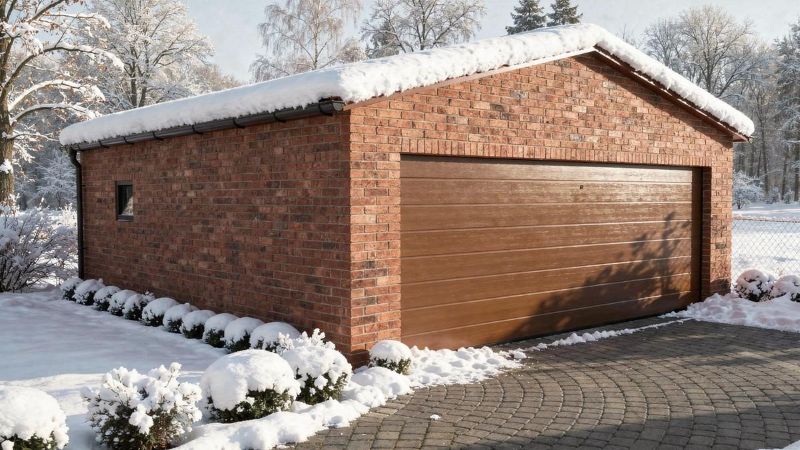
How to Prepare Your Garage Door for a Canadian Winter
8 min read
1418 words
When winter arrives in Canada, we tend to think about getting the snow tires on, checking the furnace, and making sure the driveway is ready for another season of snow and ice. But what about the garage door?
It’s easy to take it for granted until one particularly cold morning when you press the remote and nothing happens. Maybe the bottom seal has frozen to the driveway, the opener is struggling, or the door makes a noise that wasn’t there a few weeks ago.
Garage doors deal with a lot during a Canadian winter. Snow, freezing rain, road salt, and fluctuating temperatures can all take their toll. A little attention in the fall can save you from dealing with an unexpected repair when the temperature drops.
Here are a few things worth checking before winter settles in.
Check the Weatherstripping
Take a look at the rubber seal along the bottom of your garage door. Is it still flexible, or has it become cracked and brittle? Does it sit flat against the driveway when the door closes?
That bottom seal does more than keep out a chilly breeze. It helps prevent snow, rain, dirt, and small pests from finding their way into the garage. If it is worn or damaged, you may notice cold air coming in or water collecting near the entrance.
It’s also worth checking the weatherstripping along the sides and top of the door. These seals can deteriorate with age, leaving small gaps that become more noticeable once winter arrives.
Replacing worn weatherstripping is a relatively simple way to improve the seal around your garage door.
Don’t Let Your Garage Door Freeze to the Driveway
If you’ve ever tried to leave home on a freezing morning only to discover that your garage door won’t budge, you know how frustrating this can be.
It often happens after snow or rain melts beneath the door and temperatures drop overnight. The moisture freezes, causing the bottom rubber seal to stick to the driveway.
Resist the temptation to keep pressing the remote. The opener may strain against the frozen seal, potentially causing damage.
Instead, check the bottom of the door for ice. Clear away any snow and slush around the entrance, and carefully remove ice that is keeping the seal from releasing. Avoid using sharp tools or anything that could damage the rubber.
If the door remains stuck, don’t force it. A garage door technician can help determine what is preventing it from opening.
Listen to Your Garage Door
Does your garage door sound different when the temperature drops?
A little change in how a door sounds isn’t necessarily a reason to panic, but persistent grinding, squeaking, banging, or rattling deserves attention.
Cold weather can affect lubricants and place additional demands on older components. Worn rollers, loose hardware, and problems with the opener can also become more noticeable during winter.
If your garage door has become increasingly noisy, don’t simply turn up the television or hope the sound goes away. Have it checked before a small problem develops into a larger repair.
Use only lubricants recommended by the manufacturer. Not every product is suitable for garage door components, and the tracks generally should not be lubricated.
Keep Snow and Road Salt Away From the Door
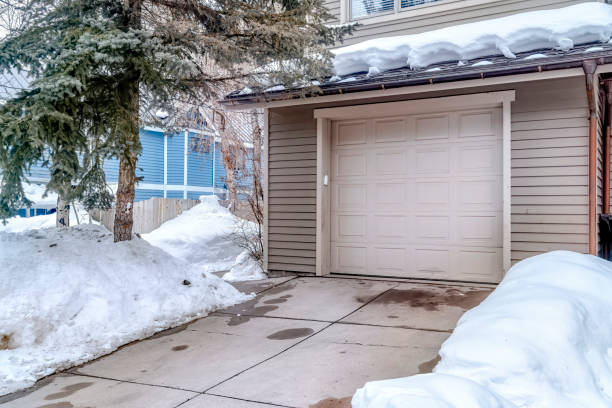
Between snow-covered vehicles, wet boots, and road salt, garages can get pretty messy during an Ontario winter.
As snow melts, water collects on the garage floor and around the bottom of the door. Road salt can also contribute to corrosion on metal components over time.
Try to sweep away accumulated snow and slush regularly. If you notice salt residue or dirt along the bottom of the door, clean it according to the manufacturer’s recommendations.
It is also worth keeping the driveway clear immediately outside the garage. A buildup of snow can interfere with the door’s movement or make it difficult for the bottom seal to sit properly.
Is Your Garage Door Insulated?
If your garage is attached to your home, an insulated garage door may be worth considering.
An older metal door without insulation offers little resistance to heat transfer. During winter, that can leave the garage uncomfortably cold, particularly if you use it as a workshop or spend time working on projects.
Modern insulated garage doors are available with polystyrene or polyurethane insulation. When comparing models, look at the manufacturer’s R-value. Generally, a higher R-value means better resistance to heat transfer.
Of course, replacing the garage door won’t solve every insulation problem. If the walls and ceiling are poorly insulated or there are gaps around the door, cold air will still find its way inside.
Still, an insulated door can be a worthwhile improvement, especially when the garage shares walls with heated living spaces.
Give Your Garage Door Opener Some Attention
The last thing you want is for your garage door opener to quit on a morning when the temperature is well below freezing.
Before winter, pay attention to how the opener is behaving. Does the door open smoothly? Does the motor sound strained? Does the door stop or reverse unexpectedly?
It’s also a good time to check the batteries in your remote controls. Cold temperatures can affect battery performance, and a weak battery may become more noticeable during winter.
If your opener has a battery backup, check that it is working according to the manufacturer’s instructions. A backup can be particularly useful during winter power outages.
If your opener is older, you might also want to explore newer models. Some offer smartphone controls and notifications, allowing you to check whether the garage door is open or closed while you’re away.
Make Sure the Safety Sensors Are Working
Those small sensors near the bottom of your garage door tracks are easy to overlook, but they serve an important purpose.
They help detect objects in the door’s path and prevent the door from closing when something is detected. Snow, dirt, moisture, or an accidental bump can interfere with their operation.
Before winter, make sure the sensors are clean and unobstructed. Check that their indicator lights are operating as described in your owner’s manual.
It’s also important to test the automatic reversal system according to the manufacturer’s instructions. If the door doesn’t reverse as expected, stop using the automatic system and arrange for a professional inspection.
Never bypass the sensors just to get the door to close.
Book a Garage Door Inspection Before the Snow Arrives
If your garage door hasn’t been serviced in a while, fall is a good time to have it looked at.
A qualified technician can check the springs, cables, rollers, tracks, opener, and other components to make sure everything is operating properly.
This is particularly important if you’ve noticed the door moving unevenly, making unusual noises, or becoming increasingly difficult to open.
Garage door springs and cables are under considerable tension. They aren’t something homeowners should attempt to adjust or repair themselves.
Taking care of worn components before winter can help reduce the chances of an inconvenient breakdown when the weather is at its worst.
What If Your Garage Door Won’t Open on a Freezing Morning?
First, don’t panic and don’t keep pressing the remote if the opener sounds like it’s struggling.
Check whether the bottom seal has frozen to the driveway. Look for visible ice or snow around the entrance and make sure nothing is obstructing the door.
If you suspect a broken spring, loose cable, or damaged track, leave the door alone. A door that is crooked, unusually heavy, or partially open can be dangerous.
Contact a garage door repair professional rather than trying to force it open. You could end up causing more damage or putting yourself at risk.
A Little Preparation Goes a Long Way
Most of us don’t give our garage doors much thought until something goes wrong. But after months of opening and closing through rain, heat, and changing temperatures, they deserve a little attention before another Canadian winter.
Check the weatherstripping, keep snow and ice away from the entrance, listen for unusual noises, and arrange repairs when something doesn’t seem right.
If your garage door is getting older, you may also want to look at some of the newer options available. Today’s models offer improvements in insulation, quieter operation, security, and convenience.
You can read more in our article, The 6 Most Exciting Garage Door Technologies.
A few minutes of attention now could save you a frustrating morning later. And when it’s minus 20 outside, you’ll be glad your garage door is working as it should.