10 Common Plumbing Mistakes Homeowners Should Avoid
9 min read
1668 words
Plumbing is one of those things most of us don’t think much about until something goes wrong. A slow-draining kitchen sink, a running toilet or a small leak beneath the bathroom vanity can quickly become an inconvenience. Sometimes, the problem starts with something as simple as putting the wrong item down the drain or ignoring a minor repair for too long. Over the years, I’ve learned that some everyday household habits can create unnecessary plumbing problems. I’ve made some of these plumbing mistakes myself, and I know how easy it is to assume that a little water running down the drain will carry everything away. Unfortunately, that’s not always the case. Understanding what your plumbing system can and cannot handle can help prevent blockages, water damage and avoidable repair bills.
Whether you own your home or rent, knowing what plumbing mistakes to avoid can save you frustration. Here are ten common plumbing mistakes homeowners should watch out for.
1. Flushing Wipes Down the Toilet
One of the biggest misconceptions about household plumbing is that anything labelled flushable is safe to send down the toilet. Flushable wipes may be marketed as convenient, but they generally do not break apart as quickly as toilet paper. They can collect inside pipes, combine with other debris and contribute to blockages.
Even if a wipe disappears after you flush, that doesn’t mean it has travelled safely through the plumbing system. The better habit is to put wipes, paper towels, cotton swabs and other personal care products in the garbage. Toilets are designed to handle human waste and toilet paper, so it’s best to keep it that way.
2. Pouring Cooking Grease Down the Kitchen Sink
It’s tempting to pour leftover cooking oil or grease down the kitchen sink, particularly when you’re cleaning up after preparing dinner. I understand the temptation because it can seem like the easiest way to get rid of it. However, grease can cool and stick to the inside of pipes. Over time, it can collect with food particles and other debris, contributing to a stubborn blockage.
Instead, allow cooking grease to cool and collect it in a disposable container before putting it in the garbage, following your local waste disposal guidelines. Even small amounts of cooking oil are better kept out of the drain. Running hot water while pouring grease down the sink does not prevent it from eventually cooling inside the plumbing.
3. Putting Coffee Grounds Down the Sink
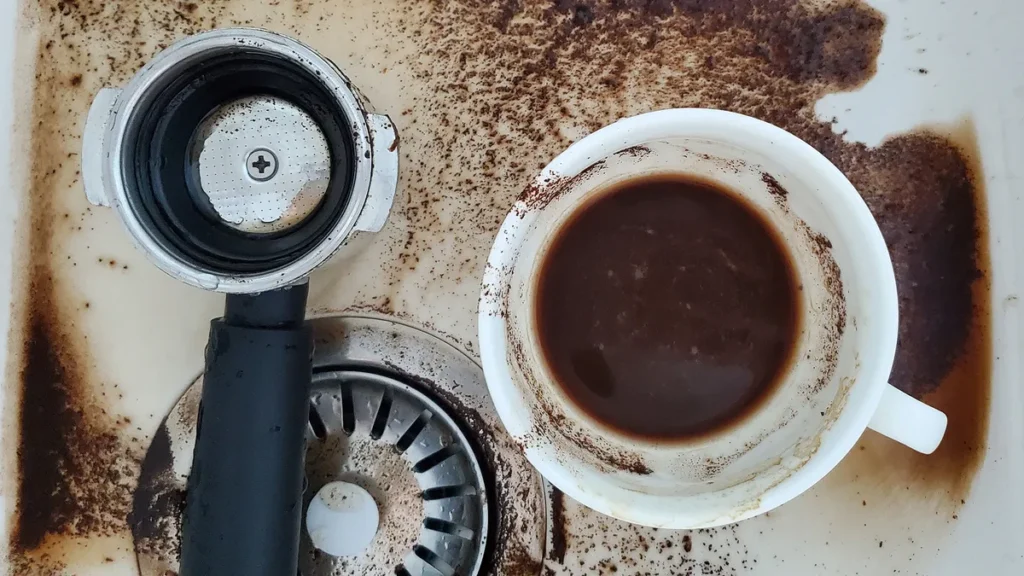
Coffee grounds are another common kitchen mistake. They may look harmless, especially when washed away with running water, but they do not dissolve. Instead, they can settle in pipes and combine with grease and other debris.
I have previously written about this problem in my article, Why Putting Coffee Grounds Down the Sink Could Cost You. It explains why disposing of used coffee grounds in the sink is not a good idea and offers safer alternatives.
The easiest solution is to scrape used grounds into the garbage or add them to a properly managed compost pile. It is a small change in your kitchen routine that can help reduce the risk of drain problems.
4. Relying Too Often on Chemical Drain Cleaners
When a sink or bathtub starts draining slowly, reaching for a bottle of chemical drain cleaner can seem like a quick fix. These products are widely available, and it is easy to assume that pouring some down the drain will solve the problem. However, chemical cleaners are not suitable for every type of blockage and may damage certain pipes or plumbing components, particularly when misused.
Another concern is safety. Some drain cleaners contain highly corrosive ingredients that can cause serious burns. Mixing different cleaning products can also produce dangerous chemical reactions. Always read and follow the manufacturer’s instructions, and never combine drain cleaners with other household chemicals.
For a minor blockage, a suitable plunger or a drain-cleaning tool may be a better first step. If the drain continues to run slowly, or several drains are affected, it may be time to have a plumber investigate the cause rather than repeatedly treating the symptoms.
5. Ignoring Small Leaks
A dripping tap or a small puddle beneath the kitchen sink might not seem urgent, especially when the rest of the plumbing appears to be working normally. However, small leaks deserve attention. Water escaping from a pipe, fitting or tap can damage cabinets, flooring and surrounding materials. A hidden leak may continue for weeks before anyone notices the extent of the problem.
I think one of the easiest mistakes homeowners can make is putting off a repair because the leak seems minor. It is worth checking beneath sinks, around toilets and near visible pipe connections from time to time. Look for dampness, water stains, corrosion or an unexplained musty smell. If you cannot identify or safely repair the source, contact a qualified plumber.
6. Putting the Wrong Food Waste Down the Garbage Disposal
A garbage disposal is convenient, but it is not designed to handle every type of kitchen waste. Homeowners sometimes assume that if food can be chopped into small pieces, it is safe to put down the disposal. That isn’t necessarily true.
Fibrous vegetables, large quantities of starchy foods, grease, bones and other unsuitable materials can cause problems depending on the disposal model and plumbing arrangement. Fibres may wrap around components, while some food waste can contribute to blockages farther down the drain.
I recommend checking the manufacturer’s instructions for your particular disposal rather than relying on general assumptions. A garbage disposal should not replace a compost bin or kitchen waste container. When in doubt, put food scraps in the appropriate waste or compost collection instead.
7. Ignoring a Running Toilet
A toilet that continues running after it has been flushed may seem like a minor annoyance, but it can waste a surprising amount of water over time. The cause is often something inside the tank, such as a worn flapper, a faulty fill valve or an incorrectly adjusted float.
If you hear water running long after flushing, take a moment to investigate. Sometimes the problem is relatively straightforward to identify, but replacement parts need to be suitable for the toilet model. If you are not comfortable working inside the tank, a plumber can diagnose and repair the issue.
A running toilet is easy to overlook because it may still flush normally. However, leaving it unattended can mean paying for water that is simply going down the drain.
8. Not Knowing Where Your Main Water Shut-Off Valve Is
This is one plumbing detail every homeowner should know before an emergency happens. If a pipe bursts, a supply line fails or a major leak develops, being able to shut off the water quickly can help limit damage.
The main shut-off valve is often located where the water supply enters the home, although its position varies depending on the property’s design. Take the time to locate it and make sure the adults in your household know where it is. If you are unsure how it operates, ask a plumber to show you.
It is also useful to know where individual shut-off valves are located beneath sinks and behind toilets. These can allow you to stop the water supply to one fixture without turning off water throughout the entire home.
9. Forgetting About Pipes During Cold Weather

Canadian winters can be hard on household plumbing, particularly pipes located in unheated basements, crawl spaces, garages and exterior walls. When water freezes inside a pipe, it expands. The resulting pressure can cause the pipe to crack or burst, sometimes with serious water damage once it thaws.
Before winter arrives, check areas where pipes may be exposed to cold temperatures. Insulating vulnerable pipes, sealing drafts and keeping appropriate indoor temperatures can help reduce the risk. During extremely cold weather, pay attention to plumbing in areas that are poorly heated.
If a pipe freezes, do not use an open flame to thaw it. If you suspect a pipe has burst, shut off the water supply if it is safe to do so and contact a plumber.
10. Attempting Plumbing Repairs Without the Right Knowledge
There is nothing wrong with wanting to save money by handling small household maintenance jobs yourself. Many homeowners can manage simple tasks, such as replacing a showerhead or cleaning a faucet aerator. However, there is a difference between basic maintenance and attempting a repair without understanding how the plumbing works.
Using the wrong fittings, overtightening connections or incorrectly installing a replacement part can lead to leaks and further damage. Some jobs also involve building codes, permits or specialized equipment. If you are unsure about a repair, getting professional advice before starting can save time and money.
I have learned that not every household problem needs to become a do-it-yourself project. Sometimes, knowing when to call a professional is just as important as knowing how to handle a small repair yourself.
A Little Plumbing Prevention Can Save a Lot of Trouble
Many plumbing problems begin with everyday habits that are easy to change. Keeping grease, coffee grounds and unsuitable food waste out of kitchen drains, being careful about what gets flushed and dealing with small leaks promptly can all help protect your home’s plumbing.
It is also worth taking a few minutes every so often to check beneath sinks, listen for a running toilet and make sure you know where the main water shut-off valve is located. These simple checks can help you notice potential problems before they become more disruptive.
No homeowner gets everything right all the time. I’ve made mistakes myself, and sometimes the best way to learn is by understanding what went wrong and making a better choice next time. A little attention to your plumbing can go a long way toward keeping your home running smoothly.
Disclaimer: This article provides general household plumbing information and is not a substitute for professional advice. Plumbing systems and local requirements vary. Contact a qualified plumber for persistent blockages, leaks, frozen or damaged pipes, or repairs you are not comfortable completing yourself.