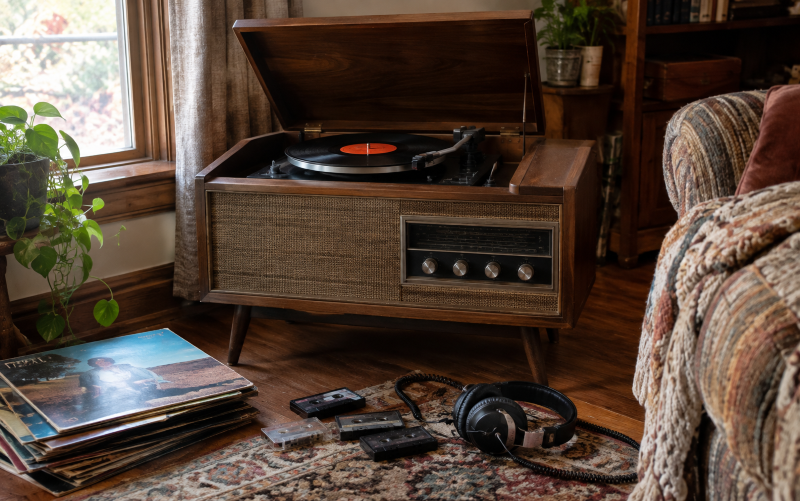
CDs, Cassette Tapes and Walkmans: Music Comes Full Circle
8 min read
1584 words
Before streaming services put millions of songs at our fingertips, listening to music was a different experience. For some of us, the memories go all the way back to the 1967 Fisher-Price Music Box Pocket Radio, followed by the Fisher-Price music player of the 1970s, 8-track tapes, cassette tapes, Walkmans, ghetto blasters, CD players and eventually MP3 players. Each new invention promised to make listening to our favourite songs easier, more portable or more enjoyable. Some devices were wonderfully convenient, while others tested our patience in ways today’s streaming generation might never understand.
The 1967 Fisher-Price Music Box Pocket Radio
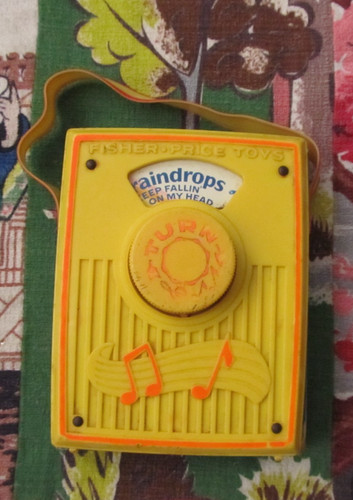
Long before smartphones and streaming apps, children’s toys offered a way to explore the world of sound. The 1967 Fisher-Price Music Box Pocket Radio and the Fisher-Price music player of the 1970s bring back memories of a time when music and play were much more hands-on.
For many children, these colourful toys offered an early introduction to listening to music independently. They were a far cry from asking a smart speaker to play a favourite song. There were no streaming subscriptions, digital playlists or complicated settings. Music was something children could hold, operate and enjoy through simple, hands-on play.
For those who remember the toys and gadgets of the 1960s and 1970s, these little pieces of technology can bring back childhood memories. They also show just how far music technology has come, from simple Fisher-Price toys to 8-track tapes, cassette players, Walkmans, CDs and today’s digital music libraries.
As a retired teacher, I have watched technology change dramatically over the years. What once seemed cutting-edge can become yesterday’s news almost overnight. Yet something interesting is happening: some of the music players we thought we’d left behind are finding a new audience.
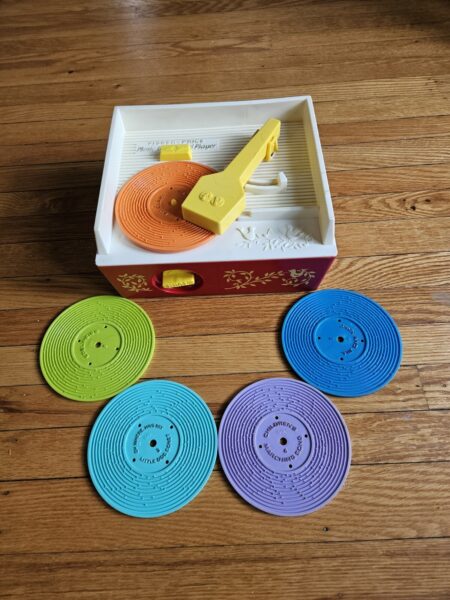
Fisher-Price music toys remind us of a time when discovering sound was a hands-on experience.
The Old Floor-Model Record Player
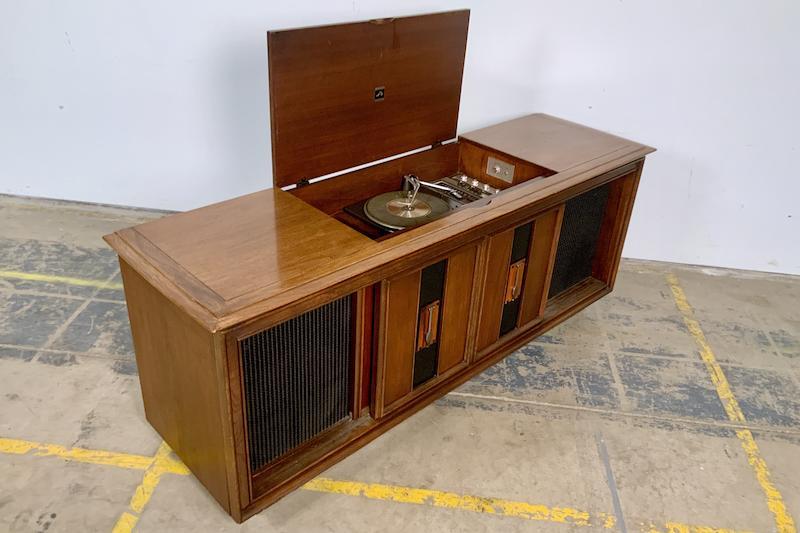
My memories of music go beyond toys, too. I remember the old floor-model record player, with Charlie Pride playing on it. There was something special about hearing his voice fill the room from that big piece of furniture. Long before music was carried around on phones, records played an important part in family life, bringing people together through the songs they loved. Looking back, it is amazing to think how we went from that floor-model record player to streaming almost any song we want with just a few taps.
8-Track Tapes: Music on the Move
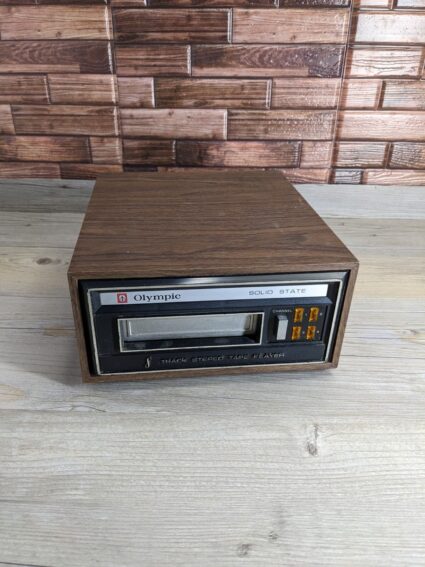
In the 1970s, 8-track tapes were a popular way to listen to music, particularly in cars. You could take your favourite albums along for the ride without worrying about changing records. Of course, the technology was not perfect. Songs were divided into programmes, and sometimes the track would change in the middle of a song. Imagine listening to your favourite chorus when suddenly the player interrupted the music. Convenience came with a few quirks. Still, 8-track players were a memorable part of the era, and finding one today can bring back memories for anyone who grew up with them.
Cassette Tapes: The Art of Making a Mixtape
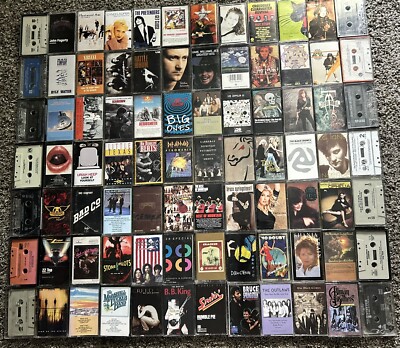
Cassette tapes changed the way people listened to and shared music. Suddenly, recording songs from the radio or putting together a collection for a friend became part of the fun.
Making a mixtape required patience. You had to listen for the beginning of a song, press record at the right moment and hope the radio announcer did not start talking over the intro. Getting the perfect collection took effort, which made it feel personal.
And when a tape became tangled? A pencil could come to the rescue. Many of us spent time carefully winding tape back into its shell, hoping we had not ruined our favourite song.
Today, playlists can be created in seconds. But a handmade mixtape had a personal touch that a digital link sometimes lacks.
The Walkman: Your Own Personal Soundtrack
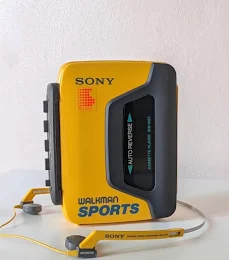
When Sony introduced the Walkman in 1979, portable music took another major step forward. Instead of sharing music with everyone nearby, you could listen privately through headphones while walking, travelling or relaxing.
The Walkman helped make personal music listening part of everyday life. It also required a little planning. You needed cassette tapes, batteries and, depending on the model, a way to rewind or fast-forward to the song you wanted.
There was no skipping instantly between thousands of tracks. You worked with the music you had brought along.
Ghetto Blasters: When Everyone Could Hear Your Music
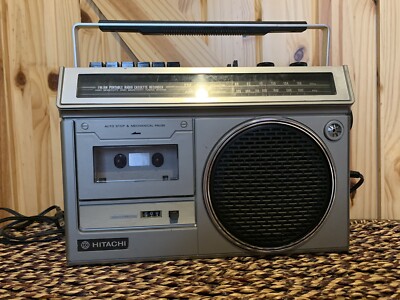
While the Walkman made music personal, ghetto blasters made it public. Also known as boomboxes, these portable stereos often featured radio tuners, cassette players, recording functions and powerful speakers.
Ghetto blasters became closely associated with hip-hop culture, breakdancing and street music. They made it possible to take a soundtrack outdoors, whether you were hanging out with friends or enjoying music in a public space.
They were not exactly subtle. Carrying one around could feel like transporting a small sound system, and the batteries seemed to disappear at the worst possible moment.
Still, there was something exciting about being able to take your music with you and share it with everyone around you.
CDs: A New Era of Music Collections
Compact discs brought digital sound into many homes during the 1980s and 1990s. Compared with cassette tapes, CDs offered convenient track selection and meant no more tangled tape to repair.
CD collections also became something to display. Album artwork, booklets and carefully arranged shelves were part of owning music.
Portable CD players made it possible to take that collection on the go, although anyone who remembers skipping tracks while walking knows that early portable players could be frustrating. Anti-skip technology improved the experience, but it was not always perfect.
MP3 Players: Thousands of Songs in Your Pocket
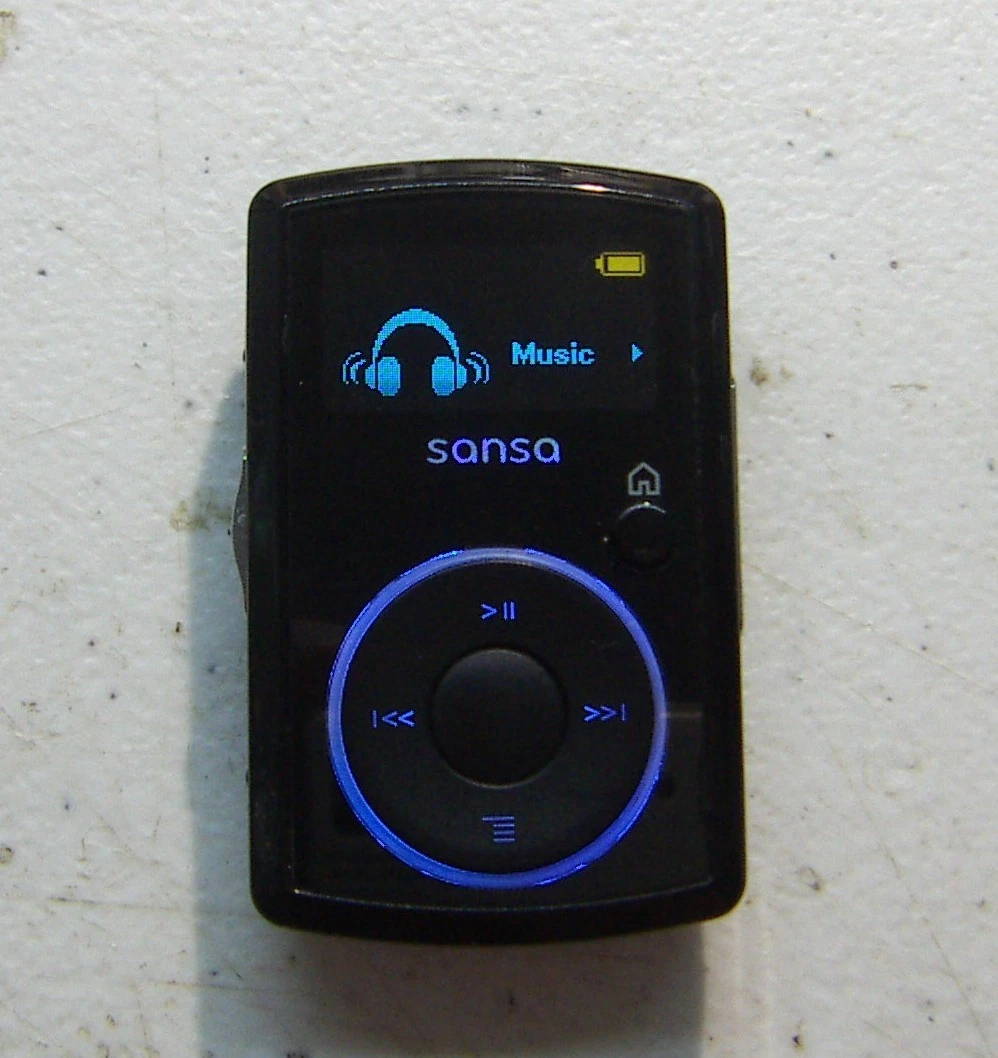
MP3 players changed music once again by allowing people to carry digital files instead of physical albums. Devices such as the iPod made it possible to store large music libraries in a compact player.
Rather than carrying a stack of CDs or cassette tapes, you could bring hundreds or thousands of songs with you. Digital music was becoming the norm, paving the way for today’s streaming services.
For many people, it felt like the ultimate convenience. The physical collection became optional, and music was increasingly stored on devices rather than shelves.
Why Vintage Music Players and Vinyl Records Are Coming Back
Despite the convenience of streaming, interest in physical music and older electronics is growing again. Vinyl records, CDs, cassette tapes and wired headphones appeal to people who want something more tangible than a digital playlist.
Vintage Sony and Panasonic electronics, along with turntables, cassette players and ghetto blasters, are also appearing in videos on TikTok and Instagram. Younger people are discovering the appeal of older technology, while those who grew up with it are enjoying a wave of nostalgia.
My own family has a perfect example. My 15-year-old grandson asked for a record player for Christmas. It is interesting to see a teenager wanting a music format that many people assumed would be left behind by digital technology.
Vinyl offers an experience that streaming cannot quite replicate. You choose a record, take it out of its sleeve, place it on the turntable and listen to an album in sequence. It encourages you to slow down and pay attention to the music.
CDs offer something similar in a more compact format, while wired headphones appeal to people who prefer a simple connection without worrying about charging another device. Sometimes, the older option is appealing precisely because it does less.
Of course, vintage equipment can need repairs, and older devices may not work with modern accessories. Anyone shopping for used electronics should check their condition, compatibility and the availability of replacement parts before buying.
Are Older Music Devices Still Worth Buying?
That depends on what you want from your listening experience. If you enjoy collecting albums, browsing second-hand shops or exploring music history, older equipment can be rewarding.
Before purchasing a vintage player, check whether it powers on, whether the buttons work and whether it produces clear sound. For cassette players, look for worn belts and damaged tape mechanisms. For turntables, check the condition of the stylus and confirm that the player is compatible with your audio setup.
Used CDs and records can be an affordable way to build a collection, but inspect them for scratches, warping or other damage. You may also want to compare the cost of replacement parts with the price of a newer device.
And if you simply want to enjoy music without dealing with repairs, a modern player may be the more practical choice.
Music Technology Has Changed, but the Memories Remain
From the Fisher-Price music player and 8-track tapes to cassette mixtapes, Walkmans, ghetto blasters, CDs and MP3 players, every generation has its own memories of listening to music.
Technology has made music easier to access than ever, but convenience is not the only thing that matters. Some people enjoy collecting physical albums, others love the nostalgia of vintage electronics, and many simply want to rediscover the pleasure of listening without constantly scrolling through an app.
Seeing my grandson ask for a record player reminds me that the things we once considered old-fashioned can become exciting discoveries for a new generation.
Perhaps music really has come full circle. And while I appreciate the convenience of modern technology, I still think there is something special about holding an album in your hands. At least with a record player, nobody has to remember another streaming password.