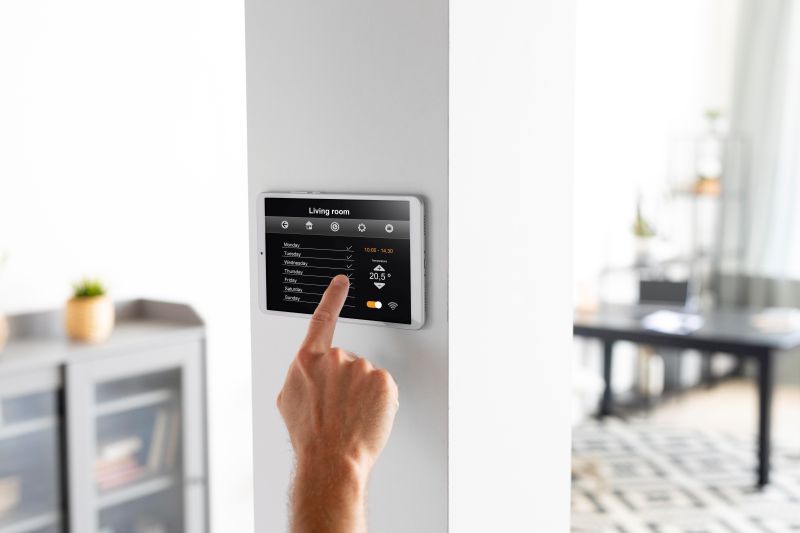
How to Balance Temperatures Between Rooms
9 min read
1698 words
Why is one room in your home freezing while another feels too warm? Uneven temperatures are a common problem for homeowners, particularly during a Canadian winter. You may find that the living room is comfortable while a bedroom stays chilly, or that rooms upstairs are noticeably warmer than those on the main floor.
Before you assume you need a new furnace or heat pump, there are several things you can check.
Learning how to balance temperatures between rooms can improve comfort, reduce drafts and help your heating system work more effectively.
Why Are Some Rooms Colder Than Others?
There isn’t always one simple explanation for uneven temperatures in a house.
A room may be colder because of its location, insulation, windows, ductwork, airflow or thermostat placement.
Common causes of uneven heating include:
- Blocked heating vents
- Furniture covering registers
- Poorly balanced ductwork
- Leaking ducts
- Drafty windows and doors
- Inadequate insulation
- Rooms above an unheated garage
- Rooms over a crawl space
- High ceilings
- Excessive sunlight in another part of the home
- A thermostat in a warmer area of the house
- An aging or improperly sized heating system
The first step is determining what is causing the temperature difference.
1. Check Your Heating Vents
If you’re wondering how to make all rooms the same temperature, start with the simplest possibilities.
Check every supply register in the colder room. Make sure it is open and that furniture, curtains, rugs or other objects aren’t blocking the airflow.
Also check your return-air vents. Return vents don’t blow heated air into the room, but they are an important part of the home’s air circulation.
Keeping them clear allows air to return to the heating system.
Don’t Close Too Many Vents
It may seem logical to close vents in warmer rooms so more heat goes to colder rooms.
However, closing too many registers can affect airflow and increase pressure within the duct system. Rather than shutting several vents, consider having your HVAC system professionally assessed and balanced.
2. Look for Drafts
A room can receive plenty of heated air and still feel cold if outdoor air is entering through gaps.
Check around:
- Windows
- Exterior doors
- Baseboards
- Electrical outlets on exterior walls
- Attic access panels
- Plumbing penetrations
- Wiring openings
- Older window frames
Small gaps around windows and doors can often be improved with appropriate caulking or weatherstripping.
If the room feels particularly cold near an exterior wall or window, air leakage may be contributing to the problem.
3. Consider Window Insulation
Windows can have a major effect on how comfortable a room feels.
Older or poorly sealed windows may allow cold air to enter and can create a cold surface near the window even when the room temperature is reasonable.
Depending on the condition of your windows, options include:
- Replacing worn weatherstripping
- Adding thermal curtains
- Installing interior window insulation film
- Sealing gaps around window frames
- Replacing inefficient windows
You don’t necessarily have to replace every window in your home. If one room is significantly colder, investigate that room first.
Related: Draft Stoppers vs. Window Insulation Kits: Which Saves More?
4. Check Your Home’s Insulation
Insulation is another important factor when dealing with a cold room in winter.
Pay particular attention to rooms:
- Above an unheated garage
- Beneath an attic
- Over a crawl space
- Along an exterior wall
- In an addition
- Under an older roof
- Above areas that aren’t heated
If a particular room has always been colder than the rest of your home, insulation and air leakage should be considered.
An energy assessment can help identify where heat is escaping before you spend money on major improvements.
5. Check Your Thermostat Location
Your thermostat can only measure the temperature where it is installed.
If it is located in a sunny room, near a kitchen or close to another source of heat, it may reach the desired temperature before colder rooms do.
For example, a thermostat in a warm living room may shut off the heating system while a bedroom at the opposite end of the house remains chilly.
Moving a thermostat isn’t generally a DIY project. If you suspect its location is affecting temperatures throughout your home, have an HVAC professional evaluate the system.
6. Have Your Ductwork Inspected
For homes with forced-air heating, ductwork plays an important role in maintaining even temperatures.
If one room receives very little warm air, there could be a problem with the duct serving that room.
Possible issues include:
- Leaking ductwork
- Poorly sized ducts
- Disconnected ducts
- Closed dampers
- Poor system balancing
- Ducts running through cold areas
An HVAC professional can measure airflow and determine whether your system needs balancing or whether a particular duct needs attention.
7. Think About Interior Doors
Closing an interior door can change how air moves through a home.
A bedroom may become noticeably colder when the door is closed because the home’s return-air pathway may be affected.
Try leaving the door open temporarily and see whether the temperature changes.
If you prefer to keep the door closed, an HVAC professional can determine whether the room has an adequate return-air pathway.
8. Use a Ceiling Fan to Move Warm Air
Warm air naturally rises, which can make rooms with high ceilings feel cooler at floor level.
During the heating season, many ceiling fans can be operated at low speed in reverse to help move warmer air downward.
The goal is gentle air circulation rather than creating a noticeable breeze.
Always check the manufacturer’s instructions for your particular ceiling fan before changing its direction.
9. Consider Your Heating System
If you’ve checked vents, windows, doors and insulation but still have significant temperature differences, your heating system may need attention.
An HVAC professional can check:
- Furnace or heat pump operation
- Airflow
- Ductwork
- Dampers
- Thermostat operation
- System sizing
- Filters
- Overall heating performance
A heating system that is old, improperly sized or poorly maintained may struggle to provide consistent temperatures throughout the house.
10. Be Careful With Portable Space Heaters
A portable heater can make a cold room more comfortable temporarily, but it shouldn’t be used to hide an ongoing heating problem.
If you use one, keep it well away from curtains, bedding, furniture and other combustible materials.
Follow the manufacturer’s instructions and never leave a portable heater operating unattended or while sleeping.
If you need a space heater every winter because one particular room never gets warm enough, investigate the underlying cause.
When Should You Call an HVAC Professional?
Some temperature differences can be corrected with simple maintenance. Others require professional attention.
Consider calling an HVAC professional if:
- One room receives very little heated air
- A room suddenly becomes much colder
- You hear unusual noises from the ductwork
- Your heating system isn’t cycling normally
- Some vents have little or no airflow
- Your home has persistent temperature differences
- You suspect a duct is disconnected or leaking
- Your heating bills have increased without an obvious explanation
A professional can assess the heating system rather than simply increasing the thermostat and hoping the colder room catches up.
Could an Energy Audit Help?
If your home has persistent drafts or uneven temperatures, an energy assessment may help identify problems that aren’t immediately visible.
Depending on the home, an assessment can point to issues involving insulation, windows, air leakage and other areas affecting energy efficiency.
This can be particularly useful in older Canadian homes where insulation and air sealing may not meet the standards found in newer construction.
You May Not Need a New Furnace
Uneven room temperatures don’t automatically mean your furnace or heat pump needs to be replaced.
Start with the basics. Check your vents, look for drafts, examine window and door seals, make sure return-air vents are clear and consider whether insulation could be contributing to the problem.
If those steps don’t solve the issue, professional HVAC or energy-efficiency advice can help identify the underlying cause.
The goal isn’t simply to turn up the thermostat. It’s to understand why one room is colder than another and address the problem at its source.
A properly balanced home should be comfortable throughout the main living areas without requiring extreme thermostat settings or a portable heater in every cold room.
Frequently Asked Questions
How do I balance the temperature between rooms?
Start by checking that heating vents and return-air vents are clear, then look for drafts, blocked airflow and insulation problems. If temperatures remain significantly different, an HVAC professional can assess ductwork and system balancing.
Why is one room colder than the rest of my house?
A cold room can be caused by inadequate insulation, drafty windows, poor ductwork, blocked vents, airflow problems, its location within the home or thermostat placement.
Should I close vents in rooms that are too warm?
Closing a single vent may have little effect, but closing multiple vents can affect the airflow and pressure in a forced-air system. Professional HVAC balancing is a better approach when temperature differences are significant.
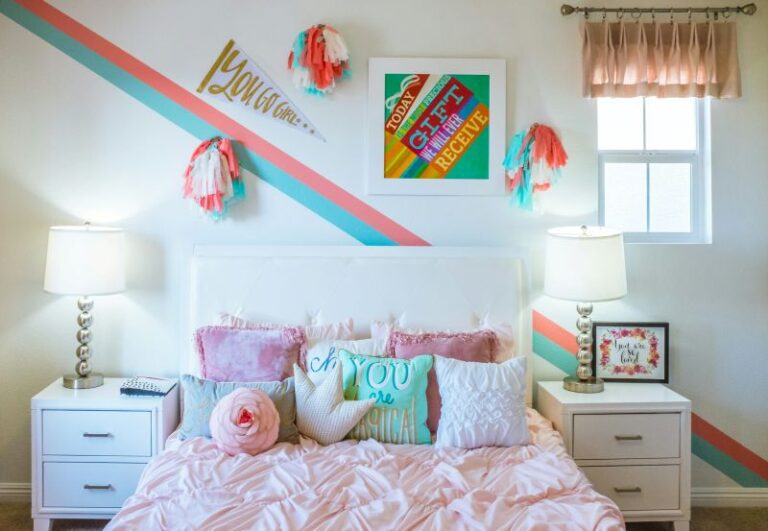
Why is my bedroom colder than my living room?
Bedrooms may be farther from the furnace, have fewer or smaller registers, have exterior walls or windows, or have different insulation and airflow characteristics. A closed bedroom door can also affect air circulation.
Can insulation make a room warmer?
Yes. Adequate insulation helps reduce heat transfer through walls, ceilings and floors. Air sealing is also important because insulation alone does not eliminate drafts.
Can a ceiling fan help with uneven temperatures?
A ceiling fan operated at a low speed can help circulate warm air, particularly in rooms with high ceilings. Follow the manufacturer’s instructions for the appropriate winter setting.
When should I replace my heating system?
A new furnace or heat pump isn’t necessarily the first solution to uneven room temperatures. Have the system evaluated to determine whether the problem is equipment-related, duct-related or caused by the home’s insulation and air leakage.
Final Thoughts
A cold room doesn’t always require an expensive renovation.
Start with the simple things you can safely check yourself, including vents, drafts, windows and furniture placement. If the problem continues, look at insulation, ductwork and your heating system.
Improving the way heat moves through your home can make your living space more comfortable while potentially reducing wasted energy.
And before investing in a major heating upgrade, make sure you know what is actually causing the temperature difference.