Helping Your Child Navigate a Sporting Injury
6 min read
1024 words
Sport can be a wonderful part of childhood, helping children stay active, develop confidence, and learn how to work with others. From organized team sports to swimming, gymnastics, and recreational activities, being active can also give children a valuable sense of independence and achievement. Unfortunately, injuries can happen, whether your child competes regularly or simply enjoys playing for fun. When an sporting injury occurs, parents have an important role in supporting both physical recovery and emotional well-being. Children can become impatient when an injury prevents them from doing something they love, particularly if friends and teammates are still participating. Knowing how to respond can make the experience less stressful and help your child return to their favourite activities safely.
Take the Injury Seriously
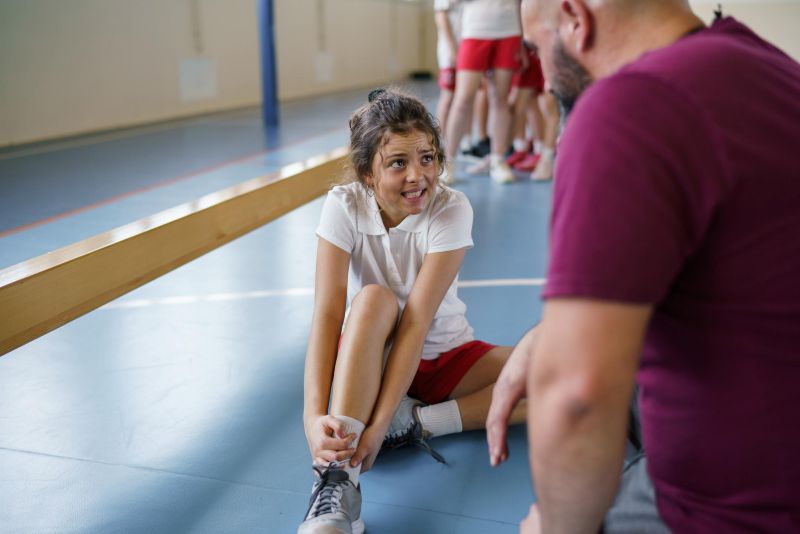
Children are not always good at judging the severity of an injury. An enthusiastic young athlete may insist they are fine because they do not want to miss a game, practice or competition. Others might initially underestimate their discomfort because they are caught up in the excitement of playing.
Pay attention to symptoms such as persistent pain, swelling, weakness, reduced movement, or difficulty putting weight on a limb. Changes in the way your child walks or moves can also indicate that something needs attention. A suspected serious injury should be assessed by an appropriate healthcare professional. Trying to continue playing through significant pain could potentially make an existing problem worse and increase the amount of time required for recovery.
Follow Professional Advice

The right treatment will depend on the type and severity of the injury. A healthcare professional can assess the problem and recommend suitable next steps, which might include rest, rehabilitation exercises, changes to physical activity or further investigation.
Depending on the injury and your child’s individual circumstances, you may encounter different healthcare and rehabilitation options. Some families might consider consulting a children’s chiropractor for musculoskeletal concerns, while others may work with a physician, physiotherapist or another qualified practitioner. Whatever route you consider, make sure the professional is appropriately qualified to work with children and understands your child’s injury and sporting activities.
It is also important to follow any instructions provided for recovery at home. If exercises have been recommended, for example, help your child incorporate them into their routine rather than expecting them to remember everything independently.
Support Their Emotional Recovery
Being unable to participate can be surprisingly difficult for a young athlete. Sport may be an important part of your child’s friendships, weekly routine, and sense of achievement. Being sidelined can consequently lead to frustration, boredom, or disappointment.
Give your child opportunities to talk about how they feel without dismissing their concerns. Something that seems like a temporary inconvenience to an adult can feel much more significant to a child who has been preparing for a competition or looking forward to playing with friends.
Remind them that recovery is part of sport and that taking time to heal does not mean they are letting their teammates down. Staying involved with the team can sometimes help too. If appropriate, your child could attend matches, support teammates or participate in non-physical team activities while recovering.
Help Them Stay Positive and Occupied
A break from sport can leave a surprising amount of empty time in a child’s schedule. Finding other enjoyable activities can prevent recovery from becoming the sole focus of everyday life.
Depending on the injury, this might be an opportunity to explore hobbies that require less physical activity, spend more time with friends, or learn something new. If your child’s healthcare professional approves certain forms of exercise, they may also be able to remain active in ways that do not interfere with recovery.
The goal is not to distract your child from the injury completely. Instead, it is about showing them that being temporarily unable to participate in their usual sport does not mean everything enjoyable has to stop.
Avoid Rushing the Return to Sport
One of the biggest temptations is returning as soon as the pain begins to improve. Children can be particularly eager to get back if an important match, tournament or event is approaching. However, feeling better does not necessarily mean the body is ready for full sporting activity.
Follow the return-to-sport guidance provided by your child’s healthcare professional. Depending on the injury, this may involve gradually increasing activity rather than immediately returning to normal training.
Children should also feel comfortable reporting pain or discomfort during this process. Encourage honesty rather than praising them for pushing through symptoms. A child who believes that admitting pain will disappoint a parent or coach may be more likely to hide a problem.
Communicate With Coaches
Keeping coaches informed can make returning to sport easier. Explain any restrictions or recommendations provided by healthcare professionals so that everyone understands what your child should and should not be doing.
A coach may be able to modify drills, reduce training intensity, or temporarily excuse your child from certain activities. Clear communication also reduces the possibility of a child feeling pressured to participate before they are ready. As recovery progresses, parents, coaches and healthcare professionals can all play a part in helping the child rebuild confidence in their physical abilities.
Look at Injury Prevention
Once your child has recovered, consider whether anything could reduce the risk of another injury. Proper warm-ups, suitable footwear and appropriate protective equipment can all be important, depending on the sport. Technique matters as well. Coaches can help children develop safe movement patterns and correct habits that might place unnecessary strain on the body.
Rest should not be overlooked either. Young athletes need sufficient recovery between training sessions and competitions, particularly when they participate in several sports or teams.
Keep the Bigger Picture in Mind
A sporting injury can feel enormous to a child, especially when an important competition or season is approaching. Parents can help by keeping the focus on long-term health rather than short-term sporting results. Helping your child understand that recovery deserves the same commitment as training can encourage healthier attitudes towards sport. Most importantly, it reinforces the idea that their well-being matters more than a result, a place on a team, or a single sporting season.