How to Plan an Osaka Holiday Without Long Commutes
6 min read
1178 words
Planning an Osaka holiday for people who dislike long commutes starts with choosing one convenient base and building each day around nearby experiences. Staying at a hotel near Namba station (this is commonly referred to as โรงแรมใกล้สถานีนัมบะ in Thai) can put transport, dining, shopping, and entertainment within easy reach, reducing the need to spend large portions of the day moving across the city. The goal is simple: travel less between activities so your group has more energy for actually enjoying Osaka.
Make Location Your First Group Decision
When several people travel together, everyone usually has a different priority. One person wants street food, another wants shopping, and someone else has already created a list of attractions.
Before debating the itinerary, agree on where to stay.
Namba makes a practical base because the area combines transport connections with plenty to experience nearby. Rather than beginning every morning with a lengthy journey, your group can step outside and start exploring.
A convenient base also makes splitting up easier. Not everyone has to spend the entire day doing the same thing when returning to the hotel is straightforward.
Group Nearby Experiences Together

One of the quickest ways to create an exhausting itinerary is to choose attractions based solely on popularity.
Instead, look at a map before assigning activities to each day.
If several places are within the same part of Osaka, visit them together. You might dedicate one day to central shopping and dining, then another to attractions farther away.
This approach avoids crossing the city repeatedly and gives everyone more time to wander without worrying about the next train.
Examples of Grouping Osaka Experiences

For example, a day based around Namba could include Dotonbori, Hozenji Temple, nearby shopping streets, restaurants, and other attractions in the surrounding area.
Another day could focus on Osaka Castle and the attractions around Osaka Castle Park rather than combining them with destinations on the opposite side of the city.
If shopping is a priority, you could dedicate time to Shinsaibashi and the surrounding shopping and dining areas.
For travelers interested in Umeda, it can make sense to spend a day exploring that part of Osaka rather than travelling back and forth between Umeda and Namba throughout the day.
Universal Studios Japan is another example where making the attraction the main event of the day can help prevent an itinerary from becoming unnecessarily tiring.
Leave Space for Osaka’s Food Scene

Osaka is not a city where every meal needs to be carefully scheduled.
Part of the fun is noticing somewhere interesting while walking and deciding to stop. Keeping daily travel distances manageable gives your group more opportunities for spontaneous food breaks.
Namba and its surrounding areas offer plenty of possibilities for travelers who would happily structure an afternoon around eating.
That flexibility is especially useful in groups. If someone needs coffee, another person wants lunch, and somebody has suddenly spotted dessert, you have room in the schedule to say yes.
Plan One Longer Journey, Not Five
Avoiding long commutes does not mean refusing to travel beyond your neighborhood.
If there is an attraction everyone wants to visit, make it the main event of that part of the day. Travel there, enjoy it properly, explore nearby, and return when you are ready.
What becomes tiring is repeatedly traveling long distances between unrelated stops.
A good group itinerary alternates bigger outings with easier periods close to the hotel.
A Simple Way to Structure Your Days

For a three-day Osaka holiday, one possible approach could be:
Day 1: Explore Namba, Dotonbori, nearby shopping areas, restaurants, and entertainment.
Day 2: Make Osaka Castle and the surrounding area the focus of the day.
Day 3: Choose one longer outing, such as Universal Studios Japan, or spend the day exploring another major area such as Umeda.
The idea is not to create a rigid schedule. Instead, it gives each day a clear focus while leaving enough flexibility to stop for food, shopping, or a break when needed.
Think About Arrival and Departure Too
Commute fatigue can begin before sightseeing even starts.
After a flight, most travelers would rather reach their hotel than navigate an unnecessarily complicated chain of transfers with luggage. The same applies on departure day when suitcases return and everyone is watching the clock.
Choosing accommodation with convenient transport connections can make both ends of the holiday feel considerably smoother.
Why Namba Can Be Convenient After a Flight
For travelers arriving at Kansai International Airport, choosing accommodation near a major transportation connection can make the first part of the holiday easier, particularly when everyone has luggage.
The same convenience can be useful on departure day. Instead of adding unnecessary travel before an airport journey, your group can begin the trip back from a location with convenient transportation connections.
This can be especially helpful for groups where different travelers have different energy levels or mobility needs.
Frequently Asked Questions About Planning an Osaka Trip
Is Namba a good place to stay in Osaka?
Namba can be a convenient base for travelers who want transportation, dining, shopping, and entertainment within easy reach. Staying in the area can also make it easier to spend part of the day exploring close to the hotel rather than travelling across Osaka.
How can I avoid long commutes in Osaka?
Choose a convenient base and group attractions by location. Planning each day around one general area can reduce unnecessary travel across the city.
What attractions can you visit around Namba?
Dotonbori, Hozenji Temple, shopping areas, restaurants, and entertainment can all be incorporated into time spent around Namba and the surrounding neighbourhoods.
Should you stay near a train station in Osaka?
For travelers who dislike long commutes, staying near a major transportation connection can make getting around Osaka easier and reduce the amount of time spent travelling between the hotel and daily activities.
How should you plan a three-day Osaka trip?
One approach is to spend a day exploring Namba and Dotonbori, another exploring Osaka Castle and its surrounding area, and a third on a major outing such as Universal Studios Japan or another area of Osaka.
Is Namba convenient when arriving from Kansai International Airport?
Namba is connected to Kansai International Airport by Nankai railway services, making the area a practical choice for travelers who want to simplify their arrival and departure.
Is Namba good for food and shopping?
Namba and the surrounding areas offer many opportunities for dining, shopping, and exploring. This makes it possible to spend considerable time in the area without needing to travel elsewhere in Osaka.
Spend Your Time Experiencing Osaka
A successful Osaka group holiday does not need the longest itinerary. It needs a smart one. Choose a well-connected base, cluster activities by area, allow spontaneous stops, and save longer journeys for experiences everyone genuinely wants.
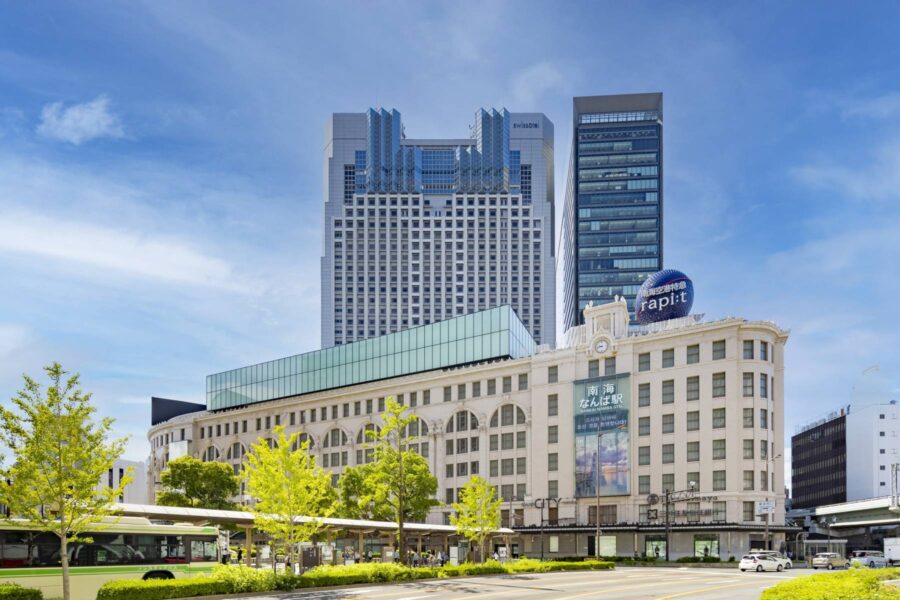
For a stay that places convenience at the center of your Osaka trip, consider Swissôtel Nankai Osaka, located directly above Nankai Namba Station. Make it your group’s base and spend less of the holiday commuting and more of it discovering what brought you to Osaka in the first place.