Buy Now, Pay Later: What Consumers Need to Know
6 min read
1078 words
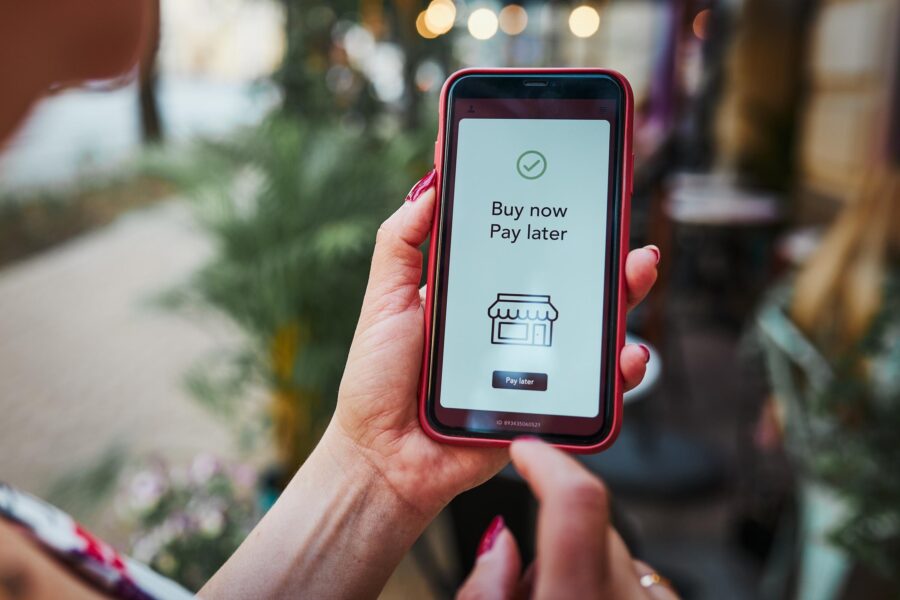
In today’s digital marketplace, Buy Now, Pay Later, often called BNPL, has become a familiar option at online checkouts. Instead of paying the full price immediately, shoppers can divide a purchase into several payments.
It can certainly be convenient. However, there is an important difference between making a purchase easier to pay for and making it more affordable.
I have seen how easy it can be for people to focus on the payment amount rather than the total cost. A purchase that looks manageable at $25 a payment can become a problem when several other payments are coming out of the same bank account.
Before choosing Buy Now, Pay Later, take a close look at how it works and whether the purchase actually fits your budget.
What Is Buy Now, Pay Later?
Buy Now, Pay Later is a type of short term financing that allows you to divide the cost of a purchase into installments. Depending on the provider and plan, payments may be made over several weeks or longer.
Some BNPL plans do not charge interest when payments are made as agreed. That does not necessarily mean there are no other costs. Some plans may have fees or other charges, so it is important to read the agreement before accepting it.
The payment schedule can also vary. Know exactly how much you will pay, when each payment will come out and what happens if you miss one.
Why Is BNPL So Appealing?

It is easy to understand the attraction.
You can purchase something you need without paying the entire amount at checkout. Dividing a large expense into smaller payments may also make it easier to manage your cash flow.
For example, replacing a necessary appliance or purchasing a computer for work may be easier to manage when the cost is spread over several payments.
The problem starts when BNPL changes the way you shop. If you begin buying things simply because the individual payments look affordable, you can quickly end up with more commitments than your budget can handle.
The Downsides Consumers Need to Consider
Small payments can make a purchase appear less expensive than it really is.
A $200 purchase may not feel like a major expense when you see four payments of $50. But the $200 still has to come out of your budget.
The situation can become more difficult when you have several BNPL purchases at the same time. One payment may not seem like much, but five or six payments coming out during the same month can add up quickly.
Automatic payments can also cause problems if there is not enough money in your account. Depending on your bank and circumstances, you could face overdraft or NSF fees.
Can Buy Now, Pay Later Affect Your Credit?
Do not assume that using BNPL has no connection to your credit.
How a BNPL plan affects your credit can depend on the provider, the agreement and how the account is handled. Some providers may perform credit checks or report certain information to credit bureaus.
More importantly, failing to pay what you owe can create financial problems. If an unpaid balance eventually goes to collections, it could have consequences for your credit.
If maintaining a healthy credit history is important to you, make sure you understand how the particular BNPL provider handles missed payments and credit reporting.
Read the Fine Print
Before accepting a BNPL plan, take a few minutes to read the terms.
Check the total purchase price, including taxes, shipping and any applicable fees. Look at the exact payment dates and amounts.
You should also find out what happens if you miss a payment. Check the provider’s policy for returns and refunds as well. Returning an item does not necessarily mean your payment obligation disappears immediately.
If anything in the agreement is unclear, find out what it means before you accept the plan.
What Happens If You Cannot Make a Payment?
Missing a payment can turn an inexpensive looking purchase into a more expensive one.
Depending on the agreement, you could face a late fee or have your ability to use the service restricted. Continued nonpayment can lead to further collection activity.
This is why it is important to consider your budget before making the purchase rather than waiting until a payment is due.
Is BNPL Really Helping Your Budget?
Here is a simple question to ask yourself:
Would I still buy this item if I had to pay for it in full today?
If the answer is no because you simply do not have the money, take a step back.
There is a big difference between using installments to manage a purchase you have already budgeted for and using BNPL because you cannot otherwise afford the item.
Make sure your BNPL payments will not interfere with essentials such as housing, groceries, utilities, transportation or other regular bills.
When Should You Use It?
BNPL may be reasonable when you have a planned purchase, understand the agreement and know that the payments fit comfortably into your budget.
It is better to skip it when you are making an impulse purchase, already have several payment plans or are counting on money you expect to receive later.
A future paycheque is not guaranteed, and unexpected expenses can happen at any time.
Quick Buy Now, Pay Later Checklist
Before accepting a BNPL plan, ask yourself:
☐ Do I actually need this item?
☐ Would I buy it if I had to pay the full price today?
☐ Do I know the total cost, including any fees?
☐ Do I know exactly when each payment will be taken?
☐ Can I comfortably make every payment?
☐ Do I already have other BNPL payments coming out?
☐ What happens if I miss a payment?
☐ Will this purchase make it harder to pay my regular household bills?
If you cannot confidently answer these questions, consider waiting before making the purchase.
Buy Now, Pay Later Is Still a Financial Commitment
Buy Now, Pay Later is not automatically a bad choice. For some consumers, spreading the cost of a planned purchase can be useful.
The important thing is to look beyond the small payment advertised at checkout. You are still committing future income to a purchase you are making today.
Before clicking that Buy Now, Pay Later button, look at the full cost, understand the terms and check your household budget. If the purchase only works because the payments are divided into smaller amounts, it may be worth waiting and saving for it instead.