Do Thermal Curtains Really Help Lower Heating Bills?
4 min read
745 words
As temperatures drop and heating bills begin to climb, many homeowners look for simple, affordable ways to make their homes more energy efficient. One commonly recommended option is thermal curtains. But do they actually help lower heating costs, or are they simply a decorative upgrade?
In this guide, we’ll look at how thermal curtains work, where they can make the biggest difference, and whether they’re worth considering for your home.
What Are Thermal Curtains?
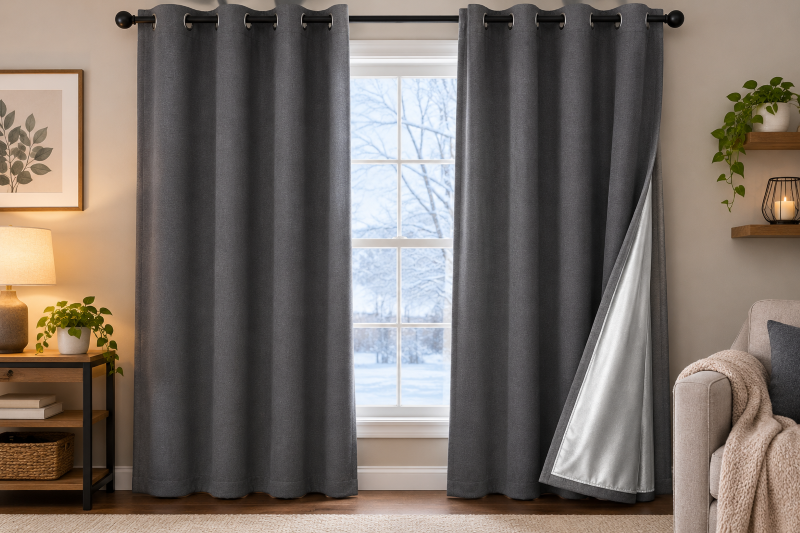
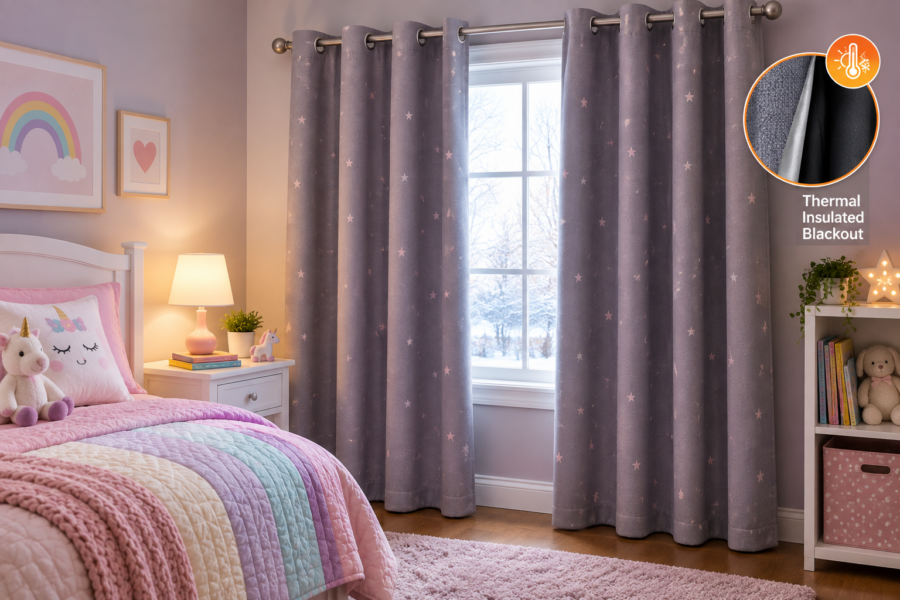
It’s easy to confuse thermal curtains with standard blackout curtains, but they aren’t necessarily the same. Blackout curtains are primarily designed to block light, while thermal curtains are made with insulating materials and multiple layers designed to reduce heat transfer.
Many thermal curtains have a thick backing or lining that creates an additional barrier between the room and the window. This can help reduce the amount of heat lost through the glass, particularly during cold weather.
Do Thermal Curtains Work?
Yes, thermal curtains can help reduce heat loss, but they aren’t a miracle solution.
When closed, they create an insulating layer between the room and the window, slowing the transfer of heat through the glass. They may also help reduce the effect of cold windows and minor drafts.
How much difference they make depends on several factors, including the type and age of your windows, how well the curtains fit, the size of the windows, and the overall energy efficiency of your home.
You shouldn’t expect your heating bill to suddenly drop by a dramatic amount. For many households, the biggest noticeable benefit may be improved comfort, with potential energy savings as an added benefit.
Where Can Thermal Curtains Help Most?
Thermal curtains can be particularly useful around:
- Older windows: Single-pane and older windows generally provide less insulation than modern energy-efficient windows.
- Drafty windows: Curtains can provide another barrier against cold air, although significant drafts should be properly sealed.
- Large windows and patio doors: Large areas of glass can contribute to heat loss, making insulated window coverings worth considering.
- Cold bedrooms and other chilly rooms: Curtains can help make rooms near cold windows feel more comfortable.
How to Get the Most Benefit
Simply hanging thermal curtains isn’t the whole story. How you use them matters too.
- Install them properly: Choose curtains that adequately cover the window and extend beyond the frame where practical. A closer fit can help limit air movement around the window.
- Close them at night: Closing curtains after the sun goes down can provide an additional barrier against the cold.
- Use winter sunlight: Open curtains on sunny windows during the day to allow sunlight to naturally warm the room. Close them again when the sun goes down.
- Keep heaters clear: Make sure curtains don’t interfere with baseboard heaters, radiators, or heating vents. Follow the manufacturer’s recommended clearances.
Are Thermal Curtains Worth the Cost?
For some households, thermal curtains can be a relatively inexpensive way to improve comfort and reduce heat loss without replacing the windows.
They may be especially appealing to renters or homeowners who aren’t ready to spend thousands of dollars on new windows.
However, if your home has significant drafts or poor insulation, thermal curtains shouldn’t be considered a replacement for addressing those problems. Fixing major air leaks and improving insulation may provide greater energy savings.
Other Ways to Reduce Heat Loss
Thermal curtains are just one part of making a home more energy efficient. Other improvements include:
- Weatherstripping: Seal gaps around windows and exterior doors.
- Caulking: Seal cracks and gaps around window and door frames.
- Window insulation film: This inexpensive option can add another insulating layer to some windows.
- Proper insulation: Check that your attic and other areas of the home have adequate insulation.
- Heating system maintenance: Regular maintenance can help your heating system operate efficiently.
The Bottom Line
Thermal curtains can help reduce heat loss through windows and make a room feel more comfortable during the winter. However, the amount of energy and money you save will depend on your home, windows, and how the curtains are installed and used.
They aren’t a magic fix for high heating bills, but they can be a relatively affordable addition to a broader energy-efficiency plan. If your windows feel particularly cold, thermal curtains may be worth considering, especially when replacing the windows isn’t currently in the budget.
Before buying, take a close look at your draftiest and coldest windows. That’s where insulated curtains are most likely to provide the greatest benefit.