Can Addiction Treatment Work Without Residential Rehab?
9 min read
1774 words
When people think about addiction treatment, the first image that often comes to mind is a secluded residential facility where individuals stay for thirty, sixty, or ninety days. While residential rehab is a cornerstone of the recovery industry and incredibly helpful for many, it is not the only path to recovery. In fact, addiction treatment is far from a one-size-fits-all solution.
For many individuals, the journey to recovery takes place while they continue to live at home, maintain their employment, attend school, or care for their families. The effectiveness of treatment is not necessarily dictated by whether a person sleeps in a clinical facility or their own bed. Instead, it depends on the level of care being matched to the individual’s specific needs, the substance involved, their home environment, safety considerations, and their existing support system.
What Does Addiction Treatment Without Residential Rehab Look Like?
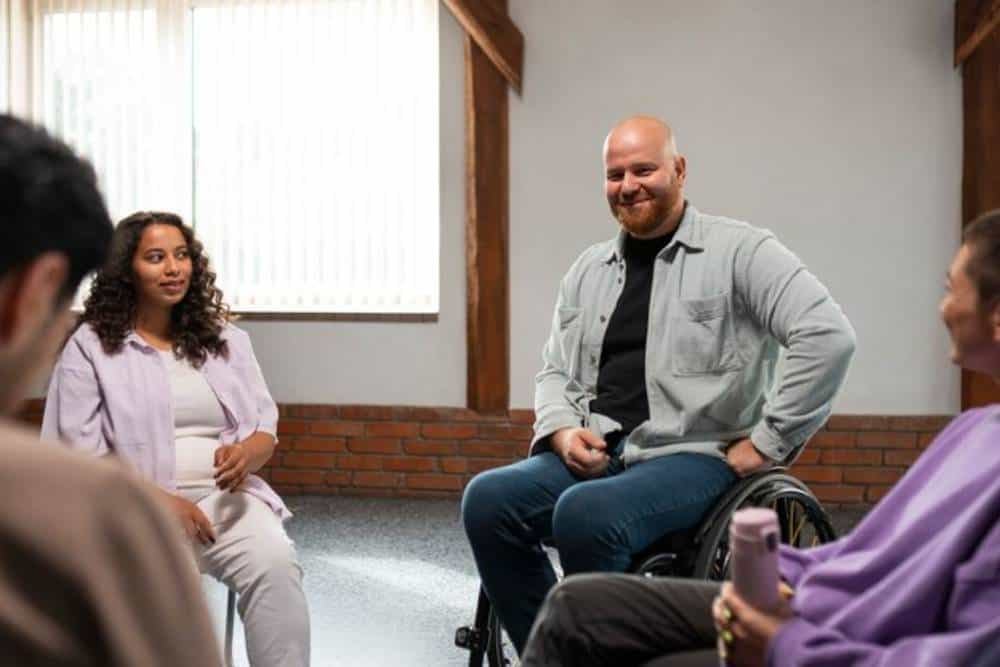
Treatment outside of a residential setting is often referred to as community-based or outpatient care. The primary difference lies in the environment: instead of living in a facility with 24-hour supervision, the individual remains in their community while attending scheduled treatment sessions.
Rather than being a single program, non-residential treatment is often a combination of various services. A person’s treatment plan might include medical appointments, individual therapy, group sessions, medication, and peer support.
Crucially, these plans can change. As a person progresses in recovery or faces new challenges, their treatment team can adjust the level of support they receive.
Understanding Outpatient Treatment
Outpatient treatment is a broad category that serves as the backbone of many recovery journeys. It allows individuals to receive professional help while continuing to manage their daily responsibilities.
Standard outpatient care may include:
- Individual Counselling: One-on-one sessions with a therapist to explore factors connected to substance use.
- Group Therapy: Sharing experiences with peers under the guidance of a trained professional.
- Addiction Education: Learning about substance use, addiction, cravings, and the effects substances can have on physical and mental health.
- Relapse-Prevention Planning: Identifying personal triggers and developing healthier ways to respond to them.
- Medical Appointments: Regular check-ins with healthcare professionals to monitor physical health and treatment progress.
The frequency of appointments can vary considerably. Some people may attend therapy once or twice a week, while others may require a much more intensive schedule.
| Feature | Standard Outpatient | Intensive Outpatient (IOP) |
|---|---|---|
| Time commitment | Generally lower | Several hours per day, multiple days per week |
| Living situation | At home | At home |
| Flexibility | Generally higher | Less flexible |
| Level of support | Ongoing professional support | More intensive professional support |
Intensive Outpatient Programs (IOP)
For people who need more structure than occasional therapy but do not require 24-hour supervision, Intensive Outpatient Programs (IOP) can provide a middle ground.
In an IOP, the individual attends multiple treatment sessions each week, often for several hours at a time, while continuing to live at home.
This approach may be beneficial for someone who has a safe and reasonably stable home environment but needs frequent professional support. It also allows individuals to practice the coping strategies they learn in treatment while navigating their everyday environment.
Medication for Addiction Treatment
For certain substance-use disorders, medication can be an important component of a non-residential treatment plan. Medications are available for some substance-use disorders, including opioid and alcohol use disorders, and may be combined with counselling and behavioural therapies.
Depending on the medication and substance involved, treatment may help:
- Reduce cravings.
- Ease or manage certain withdrawal symptoms.
- Reduce the effects of some substances.
- Lower the risk of overdose or other serious complications.
The appropriate medication depends on the person’s circumstances and should be determined with a qualified healthcare professional.
Using medication as part of addiction treatment is a medical approach to managing substance-use disorder. It is not simply a matter of replacing one substance with another.
Therapy and Behavioural Support
The work of recovery often involves therapeutic approaches designed to help people understand patterns of substance use and develop healthier ways of coping.
Cognitive Behavioural Therapy
Cognitive Behavioural Therapy (CBT) helps individuals identify thoughts, emotions, and behaviours associated with substance use. Recognizing these patterns can help people develop healthier strategies for managing stress, cravings, and triggers.
Motivational Interviewing
Motivational Interviewing (MI) is a collaborative approach that helps people explore their own reasons for making changes. It can be particularly useful for people who feel uncertain or conflicted about stopping or reducing substance use.
Family Therapy
Addiction can affect the entire family. Family therapy can address communication difficulties, help loved ones better understand substance-use disorder, and provide opportunities to establish healthy boundaries.
Peer Support as a Complement to Treatment

While professional treatment provides clinical support and therapeutic tools, peer support can provide connection and understanding.
Groups such as Alcoholics Anonymous and SMART Recovery offer different approaches to recovery and are available in many communities and online. Some people find that connecting with others who have experienced similar challenges helps them feel less isolated.
Peer support can complement professional treatment, although it may not provide the medical or clinical care that some people require.
Can Someone Recover While Living at Home?
Yes, some people can recover successfully while living at home, provided the level of support is appropriate for their needs.
Several factors can influence whether outpatient treatment is a suitable option:
| Success Factor | Why It Matters |
|---|---|
| Home stability | A chaotic or substance-filled home can make recovery considerably more difficult. |
| Medical safety | Some types of withdrawal can be dangerous and may require medical supervision. |
| Readiness to participate | Staying engaged with treatment is an important part of the recovery process. |
| Support system | Supportive friends, family members, or community resources can make it easier to manage challenges. |
| Severity and complexity | Some people require a higher level of care because of the severity of their substance use or other health concerns. |
What Makes Outpatient Treatment More Likely to Work?
Living outside a residential facility does not mean someone has to manage recovery alone. Several forms of support can make outpatient treatment more manageable, including:
- A safe and reasonably stable place to live.
- Reliable transportation or access to virtual appointments where available.
- Regular contact with healthcare and treatment professionals.
- A willingness to participate in treatment.
- Supportive people who respect the person’s recovery goals.
- A plan for managing cravings, triggers, and difficult situations.
- Access to medical care when needed.
- Treatment for co-occurring mental health or physical health concerns.
These factors do not guarantee recovery, but they can help create an environment where outpatient treatment has a better chance of meeting the person’s needs.
When Residential Treatment May Be More Appropriate
While outpatient care can be effective for some people, there are circumstances where residential treatment or another higher level of care may be safer and more appropriate.
These can include:
- Medically Complicated Withdrawal: Withdrawal from substances such as alcohol or benzodiazepines can sometimes cause serious or life-threatening complications, including seizures and severe confusion. Medical assessment may be necessary before someone attempts to stop.
- High Overdose Risk: A history of overdoses or other serious complications may indicate the need for more intensive support.
- Unsafe Environment: Living with people who are actively using substances or living in an abusive or unstable environment can make outpatient recovery considerably more difficult.
- Repeated Difficulty With Outpatient Treatment: If several attempts at outpatient treatment have not provided enough support, a higher level of care may be considered.
Needing residential treatment is not a failure. It simply means that the current level of support may not be sufficient for the person’s circumstances.
What If Outpatient Treatment Isn’t Working?
Recovery is rarely a straight line. If someone starts outpatient treatment and finds themselves struggling or returning to substance use, it does not mean they cannot recover.
Instead, it may be a sign that the treatment plan needs to be reassessed. Changes might include:
- Increasing the frequency of therapy sessions.
- Moving from standard outpatient care to an Intensive Outpatient Program.
- Adding or adjusting medication when appropriate.
- Increasing medical monitoring.
- Adding mental health support for co-occurring conditions such as depression or anxiety.
- Considering residential treatment or another higher level of care.
Treatment should respond to changing needs rather than being viewed as a single decision that can never change.
The Importance of Individualized Treatment
Two people can have the same substance-use disorder but require completely different approaches. A thoughtful treatment plan considers the whole person, including their physical health, mental health, living situation, finances, transportation, family responsibilities, and personal goals.
For women, barriers to treatment can be particularly complex. Caregiving responsibilities, concerns about employment or child custody, transportation difficulties, or past trauma may make residential rehab feel impossible or frightening.
In these circumstances, accessible outpatient programs and services that address practical barriers can be particularly valuable. Trauma-informed care may also be appropriate for people whose treatment needs are connected to past traumatic experiences.
What Families Can Do
Families can play an important supportive role when someone is receiving non-residential addiction treatment.
They can help by:
- Encouraging professional help without using shame or threats.
- Learning about addiction and substance-use disorders.
- Setting clear and healthy boundaries to protect their own well-being.
- Offering practical assistance, such as transportation to appointments, when appropriate.
- Encouraging the person to follow their treatment plan without trying to take control of their recovery.
Family members also need support. Addiction can be emotionally and physically exhausting for everyone involved, and loved ones should not feel that they have to manage the situation alone.
Signs That Someone Needs Immediate Medical Help
Regardless of the chosen treatment path, certain symptoms require immediate medical attention. If someone experiences any of the following, do not wait for a scheduled therapy appointment:
- Loss of consciousness or inability to wake up.
- Difficulty breathing or slow, shallow breathing.
- Seizures.
- Severe confusion or hallucinations.
- Suspected overdose.
- Severe or rapidly worsening withdrawal symptoms.
- An immediate risk of self-harm or harm to others.
In an emergency, call 911 or seek immediate emergency medical care.
Conclusion

Addiction treatment does not automatically require a stay in a residential rehab facility. For some people, outpatient therapy, Intensive Outpatient Programs, medication, medical care, and peer support can provide an appropriate framework for recovery while allowing them to remain at home.
The goal is not to choose the most intensive form of treatment simply because it sounds more serious. The goal is to find a level of care that is safe, appropriate, and responsive to the individual’s needs.
For some people, that may mean standard outpatient treatment. Others may benefit from an Intensive Outpatient Program, while some may need medically supervised or residential care.
Anyone concerned about their own substance use or that of a loved one should speak with a qualified healthcare or addiction-treatment professional to determine which level of care is appropriate.