
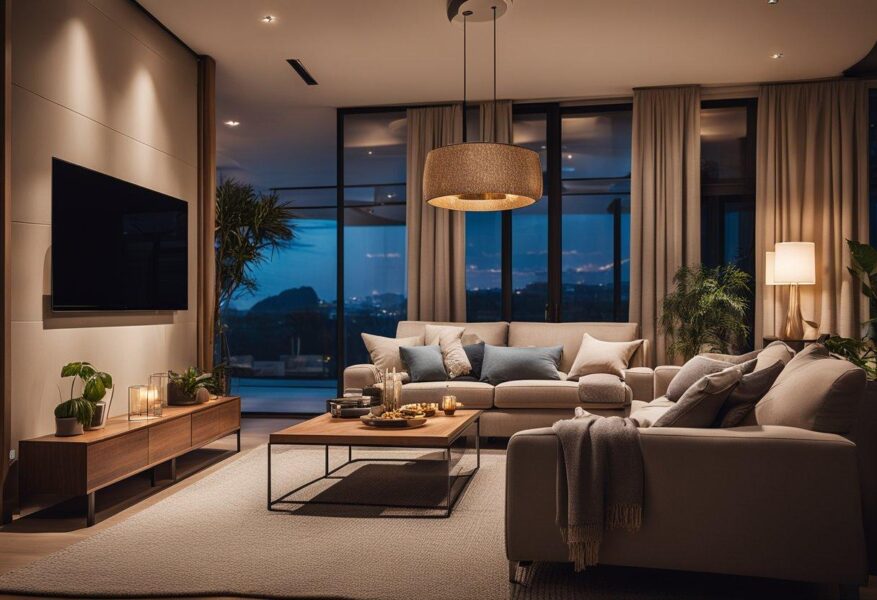
Why Designers Are Talking About Human-Centric Lighting
13 min read
2500 words
Lighting has always been an important part of interior design, but choosing the right fixture involves more than finding something that looks attractive. The type of light in a room can affect how well you see, how colours appear and whether a space feels comfortable for the activity taking place. Designers are increasingly paying attention to these details through an approach known as human-centric lighting.
Rather than relying on one ceiling fixture to illuminate an entire room, human-centric lighting considers how natural daylight, brightness and colour temperature can work together throughout the day. A kitchen used for meal preparation needs different lighting from a living room where the family watches television in the evening. A home office may need focused light for reading and computer work, while a bedroom benefits from softer lighting as the day winds down.
The good news is that homeowners do not need an expensive smart-home system or a complete renovation to make improvements. Changing a few bulbs, adding a lamp or installing suitable dimmer controls can make a room more useful and comfortable.
What Is Human-Centric Lighting?
Human-centric lighting is an approach to lighting design that considers the needs of the people using a space. It takes into account the amount of light available, its colour temperature, where it is directed and how it changes throughout the day.
For example, a home office might have brighter, neutral-white lighting during working hours to make paperwork and other detailed tasks easier to see. Later in the evening, a table lamp with a warm-white bulb can provide a softer alternative to the main ceiling light.
This approach also recognizes the value of natural daylight. Opening curtains during the day, keeping windows clear of unnecessary obstructions and arranging furniture to make better use of available sunlight are simple ways to improve the lighting in a home without purchasing anything.
Human-centric lighting is not a strict formula that requires every light in a house to change automatically. It is more about having the right type of lighting available for the activities taking place in each room.
Why Designers Are Paying Attention
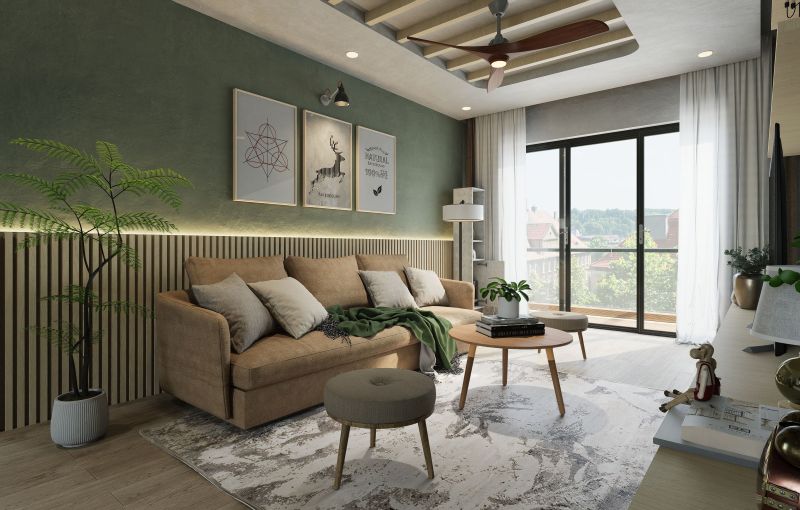
Modern homes often have to serve several purposes at once. A dining room may become a home office during the day, a kitchen island might be used for preparing dinner and helping children with homework, and a living room may need to accommodate reading, entertaining and relaxing.
One fixed lighting setup does not necessarily work well for all these activities. A bright overhead fixture might be useful when cleaning or preparing food, but it can feel too harsh when the family is settling down for the evening.
This is why designers often recommend layered lighting. Instead of depending on a single source, a room can combine general lighting, task lighting and accent lighting.
General lighting provides overall illumination, usually through a ceiling fixture or recessed lights. Task lighting is directed towards a particular activity, such as reading, cooking or working at a desk. Accent lighting highlights features such as artwork, shelving, architectural details or a favourite decorative piece.
For example, a living room might have a ceiling fixture for general lighting, a floor lamp beside a reading chair and a small table lamp near the sofa. Each light serves a purpose, and homeowners can use only the ones they need instead of illuminating the entire room at full brightness.
Understanding Kelvin: Choosing the Right Colour Temperature
One of the most useful things to understand when buying light bulbs is colour temperature. It is measured in Kelvin (K), and the number tells you whether the light appears warm and yellowish or cooler and whiter. Lower Kelvin numbers produce warmer-looking light, while higher numbers produce cooler-looking light. Colour temperature does not measure brightness. Brightness is measured in lumens, so a 2700K bulb is not automatically dimmer than a 4000K bulb.
If you are comparing bulbs, it is worth understanding both measurements before making a purchase. The Save on Energy LED lighting buying guide explains the differences between colour temperature, brightness and other features to look for when choosing LED bulbs.
Here is a practical guide to the colour temperatures commonly used in homes:
- 2200K to 2700K: Very warm, amber or soft yellow light. This can work well in decorative lamps, bedrooms and living rooms where a cosy atmosphere is preferred.
- 2700K to 3000K: Warm white light, similar to the familiar glow of traditional household bulbs. It is a popular choice for bedrooms, living rooms, hallways and dining areas.
- 3000K to 3500K: A slightly cleaner, more neutral white. This can be a good choice for kitchens, bathrooms and other spaces where you want a balance between comfort and visibility.
- 3500K to 4000K: Neutral to cool white light that can be useful in home offices, laundry rooms, garages and work areas where seeing details is important.
- 5000K and above: A much cooler, daylight-like appearance. This is often better suited to specialized workspaces than to general evening lighting throughout a home.
For most living spaces, 2700K to 3000K is a comfortable starting point. If you are unsure which colour temperature you prefer, buy one bulb before replacing all the bulbs in a room. Lighting can look quite different in your own home than it does under the bright displays in a store.
Room-by-Room Lighting Ideas
Living room
The living room is often used for several activities, so having more than one source of light is particularly helpful. A ceiling fixture can provide general illumination, while a floor lamp beside a sofa or reading chair provides light where it is needed. Table lamps can create a softer atmosphere when watching television or visiting with family.
Try 2700K to 3000K bulbs for a warm, inviting appearance. If you have recessed ceiling lights, consider whether they need to be on every evening. A couple of lamps may provide enough light for relaxing without making the entire room feel overly bright.
Kitchen
Kitchen lighting needs to be practical. You want enough light to see what you are chopping, preparing and cooking, but a bright ceiling fixture alone may leave shadows on the work surfaces.
Under-cabinet LED lighting is a useful addition because it directs light onto countertops where many kitchen tasks take place. Pendant lights over an island can provide both decorative appeal and additional illumination, while a ceiling fixture supplies general light.
A colour temperature of 3000K to 3500K is a good starting point for many kitchens. Homeowners who prefer a cooler, crisper appearance may like 4000K, although it can feel less inviting in the evening. If you are replacing several bulbs, try to keep the colour temperature consistent within the same lighting area.
Bedroom
Bedrooms benefit from lighting that can be adjusted to suit different activities. A ceiling light is useful when getting dressed or tidying the room, but bedside lamps provide a more comfortable option for reading or winding down.
Consider placing a lamp on each side of the bed if two people share the room, particularly if one person likes to read while the other is ready to sleep. A warm 2200K to 2700K bulb can create a softer evening atmosphere, while a separate brighter light can be used when needed.
Bathroom
Bathrooms need good visibility for shaving, applying makeup, grooming and other everyday tasks. A light above or beside the mirror can help reduce shadows on the face, while ceiling lighting provides general illumination.
A colour temperature between 3000K and 4000K is often suitable, depending on personal preference and the bathroom’s finishes. If you want colours to appear more natural, look for bulbs with a good colour rendering index (CRI). A CRI of 90 or higher can be helpful for tasks where accurate colour matters.
Always check that fixtures and bulbs are rated for the location where they will be installed, especially in areas exposed to moisture. Bathroom electrical work and any changes involving wiring should be handled by a qualified electrician.
Home office
A home office needs lighting that helps you read documents, write and work comfortably without creating distracting glare on a computer screen. A desk lamp with an adjustable head allows you to direct light onto paperwork without relying entirely on overhead lighting.
Try 3500K to 4000K for a neutral-white appearance if you prefer a brighter workspace. Position lamps so that they do not shine directly into your eyes or reflect off your monitor. If the room has a window, consider how daylight moves across the desk during the day and adjust your screen or blinds to reduce glare.
Dining room
Dining rooms generally benefit from warm, comfortable lighting. A pendant or chandelier over the table can act as a focal point, while a dimmer allows the brightness to be adjusted for family meals, homework or entertaining.
A bulb around 2700K to 3000K usually creates a welcoming atmosphere. If the fixture has several exposed bulbs, check that they have matching colour temperatures so the light does not look uneven.
Laundry room, garage and craft area
Utility spaces often need brighter, more practical lighting than living areas. A laundry room benefits from good general illumination, particularly around the washer, dryer and folding surface. A garage or craft area may need focused lighting over workbenches and storage areas.
Try 3500K to 4000K for these spaces. If you regularly work with small details, consider adding a task light rather than simply installing a much brighter bulb in the ceiling fixture.
It Is About More Than Smart Bulbs
Smart bulbs and connected lighting systems can make it easier to change brightness and colour temperature, but they are not essential to creating a more flexible home.
A standard dimmable LED bulb, when paired with a compatible dimmer, can provide several levels of brightness from the same fixture. A floor lamp can brighten a dark corner, and an inexpensive plug-in lamp can provide useful reading light without any electrical alterations.
Some LED bulbs are available with adjustable colour temperatures, allowing you to switch between warm and cooler white light. These are sometimes labelled tunable white or selectable colour temperature. Check the packaging carefully because not every LED bulb offers this feature, and smart bulbs may require a compatible app, hub or wireless connection.
It is also important to check dimmer compatibility before purchasing. Not every LED bulb works properly with every dimmer switch. An incompatible combination may flicker, buzz or fail to dim smoothly. If you are unsure, check the manufacturer’s compatibility information or ask an electrician.
What Does Human-Centric Lighting Cost?
You can experiment with this approach without spending a great deal of money. The cost depends on whether you are simply replacing bulbs or adding new fixtures and controls.
As a general Canadian shopping guide, ordinary LED household bulbs can often be found for approximately $3 to $10 each, depending on the brand, brightness and whether they are sold individually or in multipacks. Dimmable or specialty bulbs may cost more. Smart or colour-adjustable bulbs can range from roughly $15 to $35 or more per bulb, depending on the features and brand.
A basic table or floor lamp may cost approximately $20 to $100 or more, while decorative fixtures and pendant lights can vary considerably. Plug-in under-cabinet lighting is another option for homeowners who want to brighten a kitchen counter without immediately arranging electrical work.
A dimmer switch may cost approximately $20 to $60 for the hardware, although prices vary by model. If a new switch needs to be installed, electrician labour will be an additional expense. Costs for installing new recessed lighting, under-cabinet fixtures or additional wiring will depend on the home, the number of fixtures and the complexity of the work.
These are general planning estimates rather than quotes. Check current prices and product specifications before buying, and have a qualified electrician handle wiring or switch installations when required.
For a modest starting point, you could replace two or three frequently used bulbs, add a reading lamp and see whether the changes improve the room. There is no need to purchase an entire smart lighting system to enjoy the benefits of having more control over your lighting.
Natural Light Still Matters
Artificial lighting is only one part of a home’s overall lighting plan. Natural daylight can make a room feel more open and can reduce the need to turn on lights during the day.
Take a look at how sunlight enters each room. A living room that receives strong afternoon sun may need window coverings to control glare, while a darker hallway might benefit from a mirror or lighter wall colours that help reflect available light.
Sheer curtains can soften strong daylight while still allowing some sunlight into a room. Blinds provide more control when you need privacy or want to reduce glare on a television or computer screen. Even moving a tall piece of furniture away from a window can make a difference.
The amount of daylight changes with the seasons, too. During Canadian winters, shorter days mean many households rely more heavily on artificial lighting. Having lamps and task lighting in useful locations can make rooms more practical during those darker months.
How to Get Started Without Renovating
If you are interested in trying human-centric lighting, begin with the room where you notice the lighting is least useful. Perhaps the kitchen counter is too dark, the living room feels harsh at night or your bedside lamp does not provide enough light for reading.
Before buying anything, check the bulbs already installed. Look for the Kelvin rating, lumens, bulb base and whether the bulb is dimmable. Make sure any replacement is suitable for the fixture, particularly if it is enclosed or has specific wattage requirements.
Next, consider adding another source of light rather than simply choosing a brighter bulb. A desk lamp, floor lamp or plug-in under-cabinet light may solve the problem more effectively. If you want adjustable brightness, check that the bulb and dimmer are compatible before installing them.
It is also worth trying different colour temperatures in one room before committing to a full set. A warm bulb may look lovely in a bedroom but feel too yellow for someone who prefers a cleaner white in the kitchen. Your own comfort and preferences matter more than following a design trend.
Making Lighting Work for the Way You Live
Human-centric lighting is a useful reminder that lighting should be chosen for the people who use a room, not simply for the appearance of a fixture. A comfortable home needs enough light for everyday tasks, softer options for relaxing and thoughtful placement so that useful areas are not left in shadow.
For homeowners, the most practical improvements are often small. Choosing the right Kelvin temperature, adding a lamp where it is needed, using under-cabinet lighting or making better use of daylight can improve a room without a major renovation.
Rather than changing every light in the house at once, try one room and pay attention to how you use it throughout the day. You may find that a few carefully chosen changes make a bigger difference than an expensive lighting system.