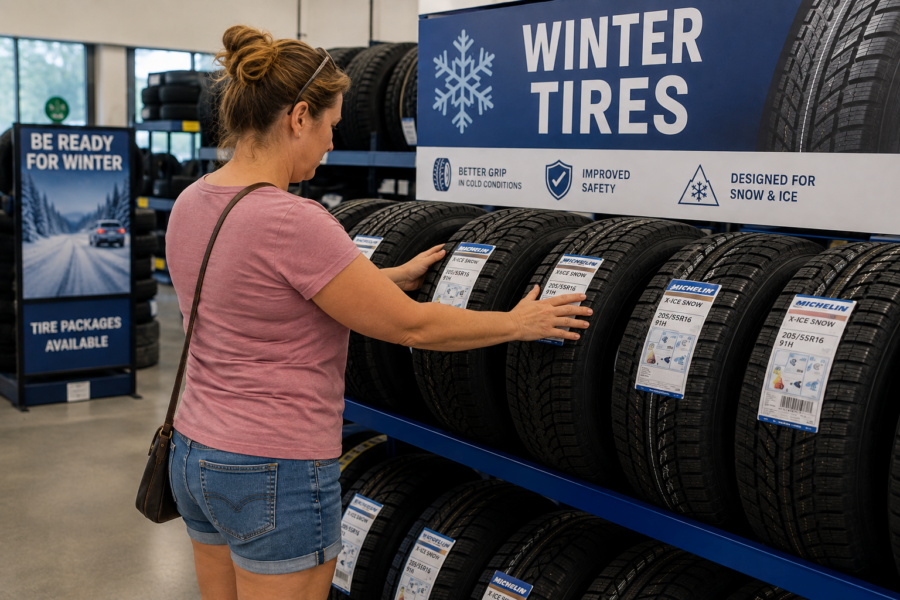
Save Money: Buy Winter Tires Before the Rush
7 min read
1279 words
As the days grow shorter and temperatures begin to drop, many drivers start thinking about winterizing their vehicles. One of the most important preparations is choosing the right tires for cold-weather driving. However, waiting until the first snowfall to shop for winter tires can leave you with fewer choices, higher demand, and limited installation appointments. Shopping early can give you more time to compare prices, find the right size, and potentially save money.
When Is the Best Time to Buy Winter Tires?
For many drivers, late summer and early fall, particularly September and October, can be a good time to start shopping for winter tires. Retailers typically begin stocking winter inventory ahead of the colder months, giving shoppers a wider selection of sizes, brands, and models.
Shopping early also gives you time to compare prices rather than making a rushed purchase when winter weather arrives.
Some retailers may offer preseason promotions, rebates, or package deals as they prepare for the busy winter tire season. Even if you don’t plan to install your tires immediately, purchasing early can help ensure the size and model you want are available.
Why Waiting Until the First Snow Can Cost More
Waiting until the first major snowfall can turn a simple tire purchase into a last-minute expense.
As temperatures fall and winter weather approaches, more drivers begin looking for winter tires. Increased demand can mean fewer choices and longer waits for popular sizes and models.
You may also find that your preferred brand or tire size is temporarily unavailable. Instead of comparing several options, you could find yourself choosing from whatever is left in stock.
Tire shops can also become extremely busy once winter weather arrives. Installation appointments may become harder to find, making early planning a convenient way to avoid the seasonal rush.
How to Save Money on Winter Tires
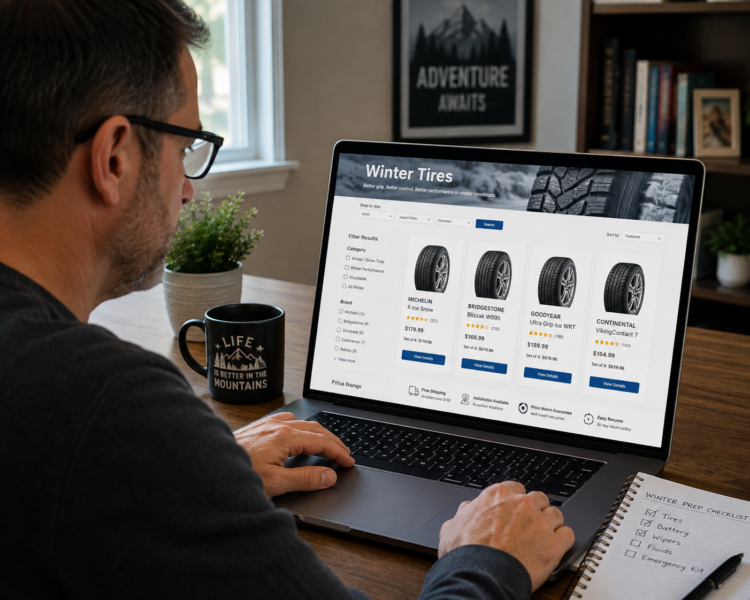
Buying early is only part of the equation. A little comparison shopping can help you get better value.
1. Compare Prices Before Purchasing
Check prices from local tire shops, dealerships, online retailers, and other reputable sellers. Compare the exact tire model rather than simply comparing brands.
2. Watch for Seasonal Promotions
Look for preseason sales, manufacturer rebates, installation promotions, and package deals during late summer and early fall.
3. Check Rebates and Package Deals
Some manufacturers and retailers offer rebates or discounts when you purchase a set of tires. Installation, balancing, tire storage, or other services may also be included in certain promotions.
4. Consider the Total Cost
The tire price isn’t always the final price. Ask about mounting, balancing, valve stems, tire disposal, seasonal storage, and future changeover costs.
A slightly more expensive tire may actually be the better deal if installation or other services are included.
5. Don’t Choose Based on Price Alone
The cheapest tire isn’t necessarily the best value. Consider traction, braking performance, expected mileage, warranty coverage, and how the tire performs in the conditions you normally drive in.
Winter Tires vs. All-Weather Tires
Not every driver needs a dedicated set of winter tires. Your choice should depend on your local climate, driving habits, and the conditions you regularly encounter.
Winter tires are specifically designed to maintain grip in cold temperatures and winter conditions such as snow and ice. Their rubber compounds remain flexible in colder weather, while their tread patterns are designed to provide traction on snow and slush.
All-weather tires are designed for year-round use and carry the Three-Peak Mountain Snowflake symbol when they meet the required severe-snow traction standard. They can be a convenient option for drivers who don’t want to change tires twice a year but still want better winter capability than conventional all-season tires.
For drivers who regularly encounter heavy snow, icy roads, or prolonged cold temperatures, dedicated winter tires may provide advantages. For those who experience less severe winter conditions, quality all-weather tires may offer a convenient year-round alternative.
If you’re still deciding which winter tires are right for your vehicle, take a closer look at the features that matter most for snow, ice, and cold-weather driving in our guide, Which Winter Tires Will Keep You Safe on Snowy Roads?
Should You Buy Winter Tires Before September?
Buying winter tires in July or August may seem early, but there can be advantages to shopping before the busy season.
Increased availability: Shopping early gives you more opportunity to find the exact size, brand, and model you want.
More time to compare: You won’t have to make a rushed decision because snow is already in the forecast.
Potential promotions: Some retailers offer preseason promotions or rebates before the busiest part of the winter tire season.
That doesn’t necessarily mean you need to purchase your tires in the middle of summer. For many drivers, starting your research in August and comparing options in September can be a practical approach.
The most important thing is to avoid waiting until you urgently need tires.
Don’t Forget About Tire Installation
Buying the tires is only part of preparing for winter.
Book Early
Once you have your tires, consider booking your installation before demand peaks. Appointment availability can become limited as temperatures drop.
Ask What’s Included
Before agreeing to an installation price, ask whether mounting, balancing, valve stems, tire disposal, and seasonal storage are included.
Inspect Your Wheels
If you’re using a separate set of wheels for your winter tires, inspect them before installation. Look for damage, corrosion, or other issues that could affect proper fitment.
It’s also a good idea to have your tire pressure and overall tire condition checked during installation.
Signs It’s Time to Replace Your Winter Tires
Winter tires don’t last forever. Before reinstalling last year’s tires, inspect them carefully.
Check the Tread
Look for significant tread wear and compare the tires with the manufacturer’s recommendations. Winter performance can decline well before a tire becomes completely worn out.
Look for Damage
Check for cracks, bulges, blisters, punctures, or other visible damage. Damaged tires should be professionally inspected before being used again.
Check the Tire Age
Tire age matters as well as tread depth. Check the date code on the sidewall and follow the tire manufacturer’s recommendations for service life.
Watch for Uneven Wear
Uneven tread wear can be a sign of improper inflation, alignment problems, suspension issues, or other vehicle problems.
If you’re unsure whether your existing winter tires are still suitable, have them inspected by a qualified tire professional.
A Simple Winter Tire Buying Checklist
Before purchasing winter tires, make sure you know:
- The correct tire size: Check your vehicle’s recommended tire size.
- The type of tire you need: Decide whether winter or all-weather tires better suit your driving conditions.
- Winter certification: Look for the Three-Peak Mountain Snowflake symbol when severe-snow performance is important.
- Tread condition: If buying used tires, carefully inspect the tread and overall condition.
- Manufacturing date: Check the tire’s date code.
- Warranty: Review the manufacturer’s warranty before purchasing.
- Installation costs: Find out what mounting, balancing, and other services will cost.
- Storage: Decide where you’ll keep your off-season tires.
- Rebates: Check for current manufacturer and retailer offers.
Final Takeaway: Shop Early, Save Money
You don’t have to wait for the first snowfall to start thinking about winter tires.
Shopping in late summer or early fall gives you time to compare prices, research your options, and find the right tires before demand increases. You may also have a better chance of finding promotions and getting a convenient installation appointment.
Whether you choose dedicated winter tires or all-weather tires, focus on the conditions you drive in, the needs of your vehicle, and the overall value rather than simply choosing the cheapest option.
A little planning now can help you avoid a stressful and potentially expensive tire search when winter arrives.