Unlock the Joy of Hand-Lettering and Calligraphy
5 min read
941 words
In our fast-paced, screen-dominated lives, we often find ourselves searching for a moment of quiet. Enter hand-lettering and calligraphy: beautiful, tactile hobbies that perfectly blend art, mindfulness, and self-expression. By slowing down to ink a single stroke or curve, you can escape the daily rush and enter a soothing creative flow. Best of all, you don’t need to be a naturally gifted artist to start. This is a wonderfully accessible creative outlet open to anyone ready to pick up a pen and explore.
What Is Hand-Lettering and Calligraphy?
While they may look similar at first glance, hand-lettering and calligraphy are actually two distinct art forms.
Think of hand-lettering as drawing letters. It is highly illustrative and playful, allowing you to sketch, outline, and decorate each individual character to create a unique design. You have the freedom to mix styles, experiment with different fonts, and add creative elements such as illustrations and decorative details.
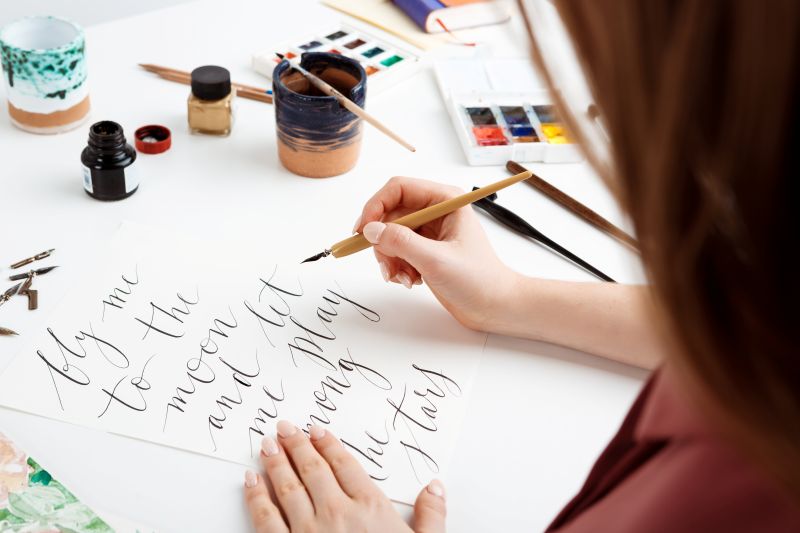
Calligraphy, on the other hand, is the art of beautiful writing. It relies on specific, rhythmic strokes and traditional techniques to create elegant lettering, often using a dip pen or specialized brush.
Both forms offer endless opportunities for personal expression, allowing you to transform simple words into stunning visual art.
The Mental Health Benefits of Creative Lettering
There is a reason so many people are turning to creative lettering as a form of self-care. When you focus on the deliberate movement of a pen across paper, your mind naturally begins to quiet the distractions of the day.
This mindfulness comes from concentrating on the small details: the angle of your hand, the movement of the ink, and the shape of each letter. Because lettering requires focus and patience, it can help create a calming break from stress and busy thoughts.
Completing a beautiful word, phrase, or quote also brings a genuine sense of accomplishment. Watching your skills improve over time can boost confidence and make lettering a rewarding way to relax and recharge.
Getting Started: Basic Supplies You Need
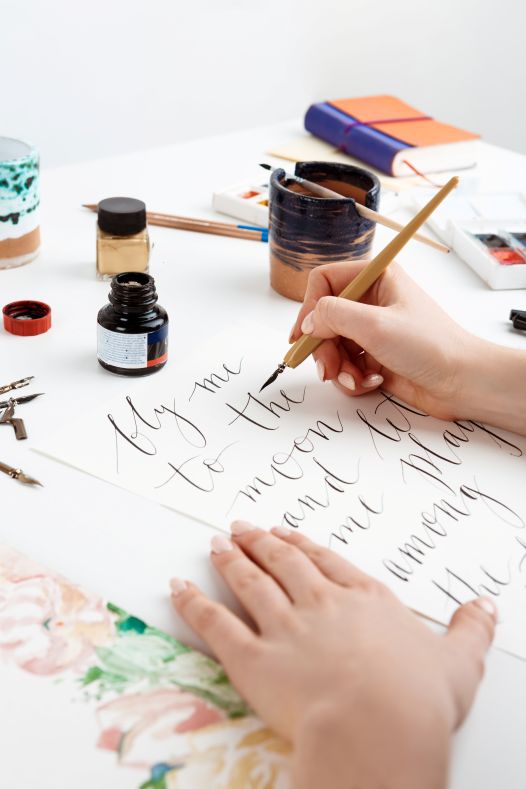
You don’t need to spend a fortune to begin your lettering journey. Keeping your supplies simple is often the best way to avoid feeling overwhelmed. Here are some beginner-friendly essentials:
Brush pens: Great for learning how to control line thickness and create beautiful lettering styles.
Fine-tip markers: Perfect for adding details and creating structured lettering designs.
Calligraphy pens: Ideal for exploring traditional scripts and elegant writing techniques.
Quality paper: Smooth, bleed-resistant paper will help protect your pen tips and improve your results.
A pencil and ruler: Helpful for creating light guidelines before adding ink.
Don’t worry about buying expensive equipment right away. Start with a few basic supplies, experiment with different tools, and discover what feels most comfortable in your hand.
Learning the Basics of Beautiful Lettering
When you first begin, try not to focus on perfection. Instead, concentrate on building strong foundations.
Understanding shapes: Many letters can be broken down into simple shapes such as circles, curves, and straight lines.
Consistent spacing: Paying attention to the space between letters helps create a balanced and polished design.
The pressure principle: One of the key techniques in lettering is learning pressure control. Use lighter pressure for thin upstrokes and heavier pressure for thicker down strokes.
With regular practice, you will naturally begin developing your own personal style. Embrace the imperfect lines and small mistakes in the beginning because they are part of the creative journey.
Creating a Relaxing Lettering Routine
To get the most from your new hobby, consider creating a dedicated lettering routine. Setting aside even 15 to 20 minutes a day can provide a peaceful moment of creativity.
Find a comfortable workspace with good lighting. You can make the experience even more enjoyable by preparing a warm cup of tea, playing calming music, or creating a cozy atmosphere that helps you unwind.
Over time, lettering can become a peaceful ritual you look forward to after a busy day.
Creative Projects to Try
Once you feel comfortable with the basics, there are countless creative projects you can explore, including:
Handwritten greeting cards for birthdays and holidays
Personalized gifts such as custom bookmarks, mugs, or artwork
Inspirational quote prints for your home decor
Customized bullet journals and planners
Elegant place cards or invitations for special occasions
Seasonal and holiday decorations
Nothing says “I care” quite like a handmade piece of lettering. Friends and family will appreciate the personal touch behind something created especially for them.
Joining the Lettering Community
While lettering can be a wonderful solo activity, it is also a gateway to a welcoming and supportive creative community.
From online groups and social media communities to local workshops, there are many ways to connect with other lettering enthusiasts. Sharing your progress can be motivating, and you will find plenty of people willing to share tips, recommend resources, and offer encouragement.
Learning alongside others can make the creative journey even more inspiring.
Turning a Hobby Into a Personal Passion
What begins as a simple way to relax can grow into a lifelong creative passion. As your confidence and skills develop, you may discover new opportunities to explore.
You could create custom wedding stationery, design artwork to sell, create digital products, or even teach beginner workshops. However, even if lettering remains a personal hobby, the greatest reward is enjoying the process of creating something beautiful with your own hands.
Conclusion
Hand-lettering and calligraphy are far more than ink on paper. They are accessible, calming practices that invite mindfulness, patience, and creativity into everyday life.
Why not give it a try? Pick up a pen, slow down, and discover the quiet joy of creating something beautiful one letter at a time.