How Riding Gear Affects Motorcycle Crash Claims
5 min read
816 words
Roads often keep silent after a motorcycle crash, but damaged riding gear speaks through every scratch, crack, and tear. A helmet with a deep impact mark or a jacket with heavy wear can reveal details that are not always clear from the roadway alone. Investigators study these signs because they help connect physical evidence with the events of the collision.
An attorney for motorcycle accident victims also understands that riding gear may become one part of a much larger investigation. Every piece deserves careful attention because small details can help create a clearer picture of what happened from beginning to end.
Every Piece of Riding Gear Can Tell Part of the Story
Protective riding gear is designed to reduce the risk of serious injuries, but its purpose does not end there. After a motorcycle crash, the same equipment can provide valuable information during the investigation. Investigators often examine the helmet, jacket, gloves, boots, and riding pants to understand how the collision affected the rider.
Each item may carry different signs of impact. A damaged helmet may show where the strongest force occurred, while worn gloves may suggest how the rider reacted during the fall. These details are never viewed by themselves. Instead, they become part of a larger collection of facts that investigators compare with every other piece of available evidence.
Damage to Riding Gear Can Help Reconstruct the Crash
Helmets, Jackets, and Gloves Show Different Types of Impact
Different pieces of riding gear respond differently during a collision. A helmet may have cracks or deep marks that help identify the direction of impact. A riding jacket may show tears along one shoulder or back, while gloves may display damage caused by contact with the road surface. Boots may also reveal scraping that matches the rider’s movement after the collision.
These signs help investigators understand how the crash unfolded. They do not provide every answer, but they can support other findings collected during the investigation. Looking closely at each item often helps explain how different parts of the collision happened and how the rider interacted with the motorcycle and the roadway.
Protective Gear Can Support Other Physical Evidence
Damage to riding gear becomes more useful after it is compared with other available evidence. Road marks, vehicle damage, photographs, witness statements, and measurements from the crash scene all help create a more complete picture. Each source may confirm or challenge another piece of information.
For example, marks on a helmet may match damage found on the motorcycle or another vehicle. Tears in clothing may also match contact points shown in crash photographs. Investigators study these connections carefully because they reduce guesswork and rely more on physical facts than personal opinions.
Riding Gear Becomes One Part of a Larger Investigation
Although riding gear can provide useful information, it never tells the entire story by itself. Investigators also review police reports, medical records, motorcycle damage, surveillance videos, traffic camera footage, and photographs taken at the scene. Each source helps explain another part of the collision.
Several forms of evidence often work together during a motorcycle crash investigation:
- Police reports and crash scene photographs
- Medical records describing injuries
- Motorcycle inspection and damage reports
- Surveillance or traffic camera footage
- Protective riding gear with visible damage
Each case is different because no two crashes happen in exactly the same way. Investigators compare all available evidence before reaching conclusions. This careful approach creates a stronger understanding of how the accident happened without depending on only one source of information.
Why Proper Documentation Matters After the Crash
Protective riding gear should be handled carefully after a motorcycle crash. Throwing away damaged equipment or making repairs too early may remove details that could later become useful during the investigation. Keeping every item in its original condition allows investigators to examine the damage more closely if needed.
Photographs taken soon after the crash may also help preserve details before equipment changes over time. Purchase records or inspection information may provide extra background about the gear, especially if questions arise about its condition before the collision. An attorney may encourage preserving this information because organized records often support a more complete review of the available evidence.
Final Thoughts
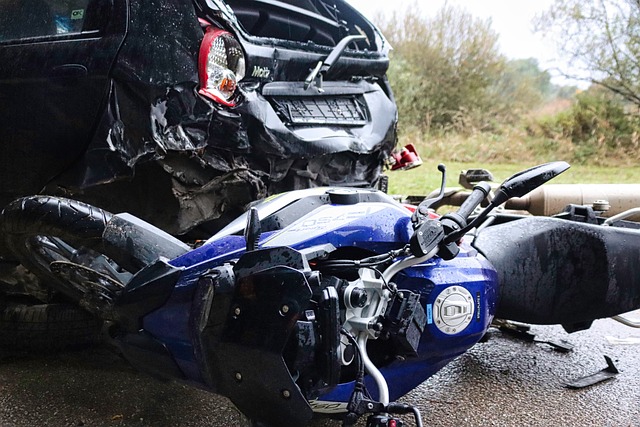
Motorcycle crash investigations rely on facts gathered from many different places, and protective riding gear forms only one part of that larger process. Damage found on helmets, jackets, gloves, and boots can support other physical evidence while helping investigators understand how the collision developed. These details become more meaningful after they are compared with reports, photographs, medical records, and scene documentation.
Carefully preserving riding gear allows investigators to study information that might otherwise disappear. Every mark and every damaged surface may contribute to the overall picture without standing alone. A careful review supported by an attorney for motorcycle accident victims helps ensure available evidence remains organized and complete, allowing the investigation to focus on reliable facts instead of assumptions.