Common Wedding Planning Mistakes and How to Avoid Them
9 min read
1628 words
Planning a wedding is an exciting milestone, but unexpected expenses, rushed decisions, and unrealistic expectations can make the experience more stressful than it needs to be. For couples planning their first wedding, knowing which pitfalls to watch for can make a real difference.
From overlooking contract details to cramming too many activities into one day, many common wedding planning mistakes are preventable. Here are 11 things to watch out for so you can make informed decisions and enjoy more of the experience.
1. Underestimating Your Wedding Budget

One of the most common wedding planning mistakes is underestimating how quickly expenses add up. Small purchases, service fees, alterations, and last-minute additions can push spending beyond your original expectations.
Decide how much you can comfortably afford and identify your priorities before committing to purchases. Keep a record of deposits, payment deadlines, and outstanding balances. Setting aside 10 to 15 percent of your budget for unexpected expenses can also provide a financial cushion.
Before committing to a location, read our guide to how to choose the perfect wedding venue for advice on comparing options and understanding costs.
2. Booking a Venue Without Checking the Details
A venue may look beautiful in photographs, but its practical arrangements matter just as much. Booking without asking enough questions can lead to unexpected charges or difficulties on the day.
Before signing an agreement, confirm the guest capacity, available parking, accessibility, rental hours, and what is included in the package. Ask about restrictions on decorations, outside vendors, music, and setup times. For outdoor celebrations, find out what happens if the weather changes.
Read the contract carefully and make sure you understand the cancellation policy, deposit requirements, and any additional fees. A little investigation now can prevent unpleasant surprises later.
3. Leaving Wedding Dress Shopping Too Late
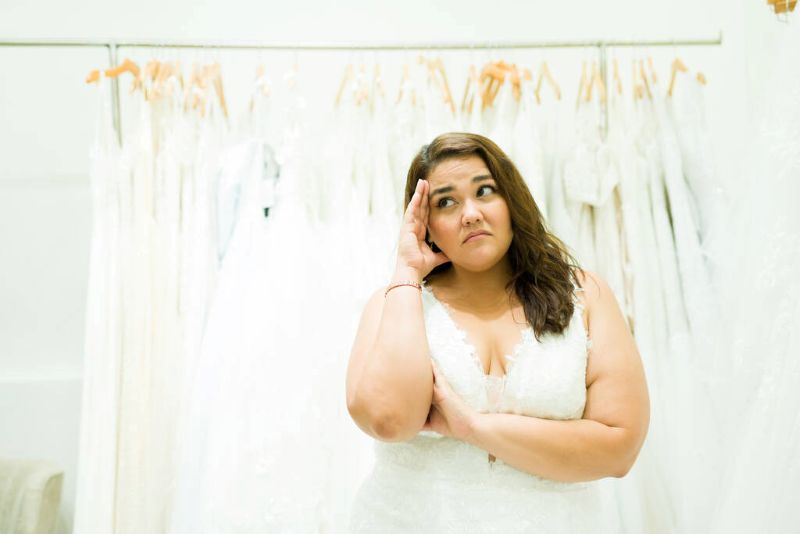
Wedding gowns may require several months to arrive, followed by alterations and fittings. Leaving the search until the last minute can limit your choices and create unnecessary pressure.
Start looking early enough to accommodate ordering and alterations. Ask bridal shops about their timelines before falling in love with a particular design, especially if the gown needs to be made to order.
It also helps to establish a realistic budget and decide whose opinions you value before attending appointments. Too many conflicting suggestions can make an already personal decision more difficult.
If you are preparing for your first appointment, Wedding Gown Shopping: What You Need to Know offers additional guidance on the experience.
4. Hiring Vendors Without Checking Their Credentials and Contracts
Choosing a photographer, caterer, DJ, or other wedding professional based solely on a website or social media post can be risky.
Read recent reviews, examine examples of previous work, and ask questions about experience and availability. Before paying a deposit, make sure the written contract clearly identifies the services being provided, payment dates, cancellation terms, and what happens if the vendor cannot attend.
Keep important communications and receipts in one place. Confirm arrangements in writing rather than relying on verbal promises. Clear expectations help both parties understand their responsibilities and reduce the likelihood of disagreements.
5. Overlooking Your Guests’ Comfort
Your wedding is a celebration of your relationship, but the experience your guests have also matters. Small inconveniences can become frustrating when people are unsure where to go, cannot find suitable seating, or have difficulty getting between locations.
Provide clear directions and communicate parking arrangements, dress codes, and accommodation information where needed. Consider guests with mobility needs when choosing locations and arranging seating. If the ceremony and reception are in separate places, explain the travel arrangements in advance.
When discussing the menu with your caterer, ask how food allergies and dietary requirements can be accommodated. Thoughtful preparation helps guests feel welcome without requiring elaborate extras.
6. Failing to Coordinate the Reception Schedule
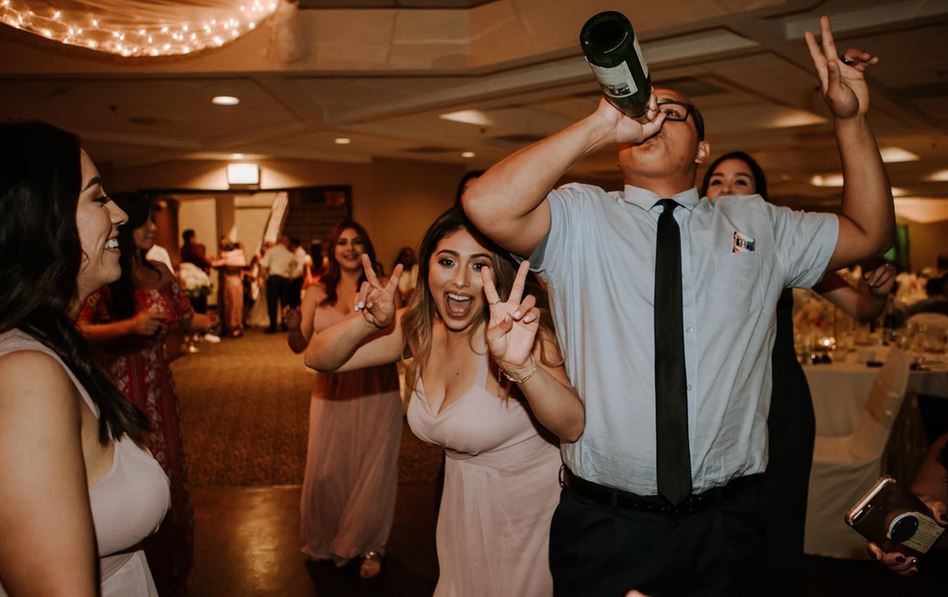
Without a clear schedule, important moments can run late, vendors may be left waiting, and guests may not know what is happening next.
Confirm the timing of dinner, speeches, special dances, cake cutting, and entertainment with the people responsible for each part of the reception. Make sure your photographer and DJ know when important moments are expected to happen.
Avoid scheduling everything too tightly. Allow enough time for dinner service, photographs, and transitions between activities.
For more specific advice about organizing this part of your celebration, read The Guide to Planning Your Wedding Dinner Reception.
7. Sending Invitations Without Enough Notice
Late invitations can make it difficult for guests to arrange time off work, book accommodation, or organize transportation. This is especially important when friends and family must travel a considerable distance.
Set a mailing deadline that gives guests enough time to respond. Before sending invitations, proofread names, dates, addresses, ceremony times, and RSVP instructions. Check the details carefully rather than assuming everything is correct.
For a destination wedding, consider sending save-the-date notices well in advance so guests have time to research travel arrangements and plan their budgets.
8. Trying to Handle Every Task Yourself
It can be tempting to manage every detail personally, particularly when you have a specific vision for your wedding. However, taking responsibility for everything can leave you exhausted before the celebration even begins.
Identify tasks that trusted friends, relatives, or members of the wedding party can manage. Be specific about what you need and when it needs to be completed. For example, someone could collect place cards, another person could help coordinate guest arrivals, and someone else could be the point of contact for deliveries.
If you prefer to manage most arrangements yourself, consider appointing a reliable person to handle questions on the wedding day. This allows you to enjoy the celebration instead of being interrupted by every small issue.
9. Choosing a Wedding Photographer Without Reviewing Their Style
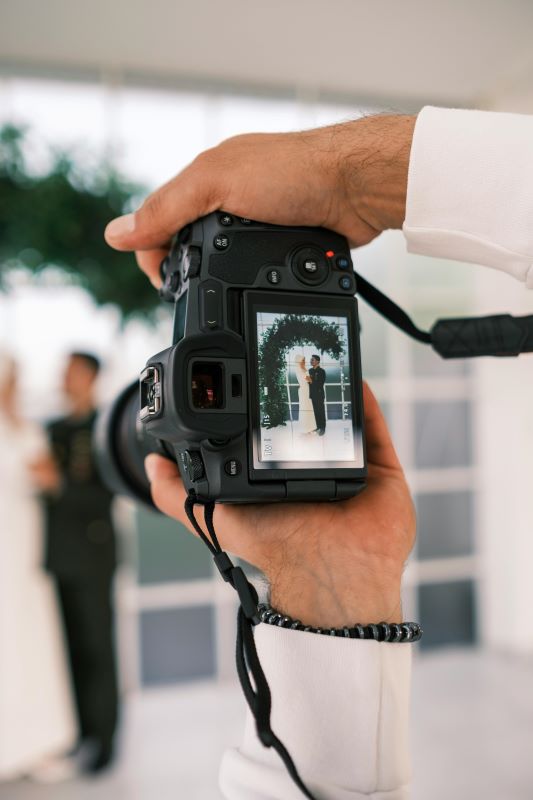
Your photographs will help preserve memories of the day long after the decorations have been taken down. Choosing a photographer based only on price or a few attractive social media images may leave you with a result that does not match your expectations.
Look through complete wedding galleries to understand how the photographer captures ceremonies, group portraits, candid moments, and different lighting conditions. Ask about the number of edited images included, delivery timelines, backup arrangements, and usage rights.
It is also worth discussing the kinds of photographs that matter most to you. A short list of essential family portraits can help prevent important combinations from being missed.
Our guide to four important things to look for in a wedding photographer can help you evaluate your options.
10. Packing Too Much Into the Wedding Day

An ambitious schedule can look wonderful on paper but become difficult to manage in practice. Too many activities leave little room for delays, unexpected changes, or simply enjoying the moment.
Allow extra time for getting ready, travelling between locations, photographs, and greeting guests. Discuss realistic timings with your vendors, particularly if several activities depend on one another.
Think carefully about which traditions and events are genuinely important to you. You do not need to include every possible activity to create a meaningful celebration.
Most importantly, leave a little breathing room. A flexible schedule is easier to manage and allows you to be present rather than constantly watching the clock.
11. Expecting Everything to Be Perfect
When you have spent months preparing for a wedding, it is understandable to want everything to go according to plan. However, a minor delay, a change in the weather, or a last-minute adjustment does not have to spoil the day.
Focus on the aspects you can control and accept that some things may unfold differently than expected. Having a backup plan for important arrangements can help you respond calmly when circumstances change.
Try not to measure your celebration against carefully edited photographs or other people’s weddings. Your day does not need to look perfect to be meaningful. The conversations, laughter, and time spent with loved ones are often what you will remember most.
Wedding Planning Mistakes Checklist
Before the wedding, review these important points:
- Set a budget that reflects what you can comfortably afford.
- Read venue agreements and vendor contracts before signing.
- Allow enough time for wedding attire orders and alterations.
- Confirm guest arrangements, accessibility, and transportation details.
- Share the reception schedule with the relevant vendors.
- Proofread invitations before mailing them.
- Delegate tasks instead of managing everything alone.
- Discuss photography expectations and essential family portraits.
- Leave flexibility in the wedding day schedule.
- Prepare backup arrangements for potential problems.
- Make time to enjoy the celebration together.
Frequently Asked Questions
When should you start planning a wedding?
Many couples begin planning 12 to 18 months before their wedding, although the ideal timeline depends on the type of celebration, venue availability, and how much preparation is required. Starting early can provide more options, while a shorter engagement may require a simpler approach.
What is one of the biggest wedding planning mistakes?
Committing to expenses without understanding the full cost can create problems throughout the planning process. Establishing a realistic budget and reviewing contracts carefully can help you make decisions with greater confidence.
How much money should you reserve for unexpected wedding expenses?
Some couples set aside approximately 10 to 15 percent of their budget for unexpected costs. The appropriate amount depends on the complexity of the event and how much flexibility you have in your overall spending.
Final Thoughts
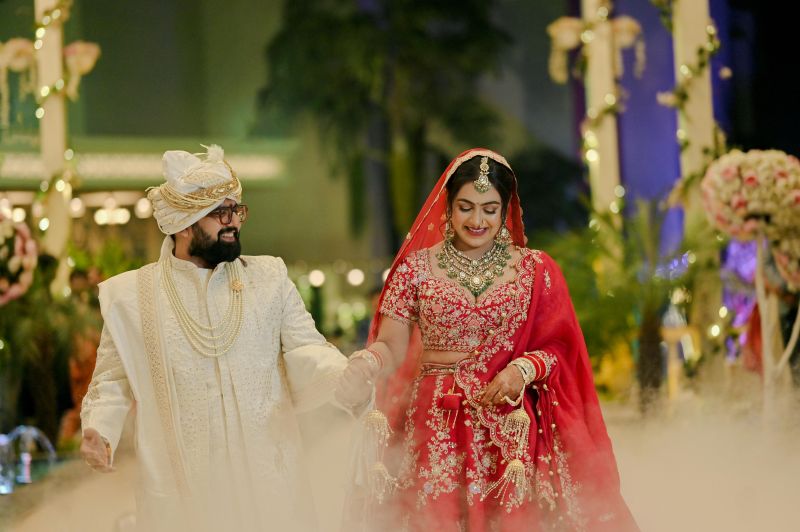
Avoiding common wedding planning mistakes is less about controlling every detail and more about making informed decisions, communicating clearly, and allowing room for the unexpected.
Take time to review agreements, ask questions when something is unclear, and accept help when you need it. Most importantly, remember that your wedding is a celebration of your relationship, not a test of how perfectly you can organize an event.
With realistic expectations and thoughtful preparation, you can spend less time worrying about what might go wrong and more time enjoying the people and moments that make the day special.