
Machine Learning for Small Business: A Practical Guide
9 min read
1697 words
If you think machine learning is something only giant technology corporations use, think again. Chances are, it is already part of your small business operations, and you may not even realize it. Every time an email filter blocks a phishing attempt, an online advertisement shows a customer a product they recently viewed, a chatbot answers a question after business hours, or a payment system detects suspicious activity, machine learning is working quietly behind the scenes.
For years, machine learning seemed like a technology reserved for large corporations with expensive software, massive amounts of data, and dedicated technology teams. Today, that has changed. Small businesses across Canada are now using AI tools for small businesses and machine learning features to automate everyday tasks, improve customer service, analyze business trends, and make smarter decisions without needing a team of data scientists.
From local retailers and restaurants to contractors, online businesses, and professional service providers, machine learning has become a practical tool that helps entrepreneurs save time, reduce repetitive tasks, better understand their customers, and improve overall efficiency.
How Machine Learning Works for Small Businesses
At its core, machine learning helps software recognize patterns, learn from information, and make predictions based on data. Instead of relying only on fixed instructions, these systems analyze trends and improve their results over time.
For a small business, this can mean identifying which products customers are likely to buy, predicting busy periods, spotting unusual transactions, or automating repetitive tasks.
The goal is not to replace business owners or employees. Machine learning is a tool designed to help people work more efficiently, make informed decisions, and spend more time focusing on customers and business growth.
Machine Learning vs Artificial Intelligence: What Is the Difference?
Artificial intelligence is the broader concept of computers performing tasks that normally require human intelligence, such as recognizing patterns, understanding language, or making decisions.
Machine learning is one type of artificial intelligence that allows systems to learn from data and improve their predictions over time.
For small businesses, this means many everyday tools already include machine learning features without requiring complicated setup.
Types of Small Businesses That Can Benefit From Machine Learning
Small businesses do not need to build their own complex AI systems to benefit from machine learning. Many affordable software platforms already include AI-powered features designed to improve daily operations.
Retail Stores

Retail businesses can use machine learning to:
- Predict inventory needs
- Recommend products to customers
- Analyze buying patterns
- Improve marketing campaigns
Restaurants and Food Businesses
Restaurants can use machine learning to:
- Forecast busy periods
- Reduce food waste
- Improve ordering decisions
- Personalize customer offers
Contractors and Trades
Construction companies, plumbers, electricians, and other trades can use AI tools to:
- Optimize scheduling
- Manage customer inquiries
- Improve route planning
- Organize estimates and appointments
Healthcare, Wellness, and Service Businesses
Small service providers can use machine learning for:
- Appointment reminders
- Customer communication
- Scheduling assistance
- Personalized recommendations
Online Businesses
Ecommerce businesses can use machine learning to:
- Recommend products
- Detect fraudulent transactions
- Improve advertising
- Personalize shopping experiences
Popular Business Tools That Already Use Machine Learning

Many small business owners are already using machine learning without installing specialized software. Popular business platforms now include AI-powered features designed to improve productivity and decision-making.
Examples include:
- QuickBooks Online: Uses automation and data insights to assist with accounting tasks.
- Shopify: Uses AI features to support ecommerce analytics and customer experiences.
- Mailchimp: Uses automation and audience insights to improve email marketing.
- HubSpot: Uses AI tools for customer relationship management and marketing.
- Canva: Uses AI-assisted design features to help businesses create content faster.
For many entrepreneurs, getting started simply means using the AI features already available in the software they rely on every day.
Everyday Ways Machine Learning Helps Small Businesses
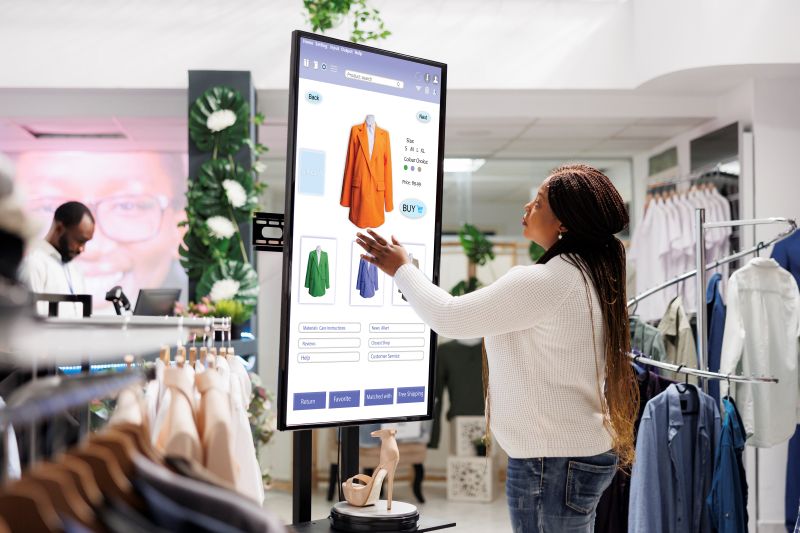
Machine learning is not about futuristic robots. It is about practical tools that solve everyday business challenges.
1. Smarter Customer Service
AI-powered customer service tools can answer common questions, schedule appointments, provide recommendations, and help customers find information quickly.
Examples include:
- Automated chat assistants
- Appointment scheduling tools
- Personalized product suggestions
- Customer support automation
The benefit: Small businesses can respond faster, provide support outside regular business hours, and allow employees to focus on more complex customer needs.
2. Better Marketing Decisions
Successful marketing depends on understanding customers. Machine learning can analyze:
- Customer behaviour
- Website traffic
- Email engagement
- Purchase history
- Online interactions
Marketing platforms use these insights to create personalized campaigns, improve advertising results, and organize customers into groups based on their interests.
Example: A local clothing boutique can identify customers who frequently purchase seasonal collections and send them targeted promotions.
3. More Accurate Sales Forecasting
Many small businesses rely on experience and intuition when predicting demand. Machine learning adds another layer by analyzing historical sales, seasonal patterns, and customer trends.
Businesses can use these predictions to:
- Prepare for busy periods
- Plan staffing needs
- Improve purchasing decisions
- Reduce wasted resources
This can be especially valuable for retailers, restaurants, online stores, and service providers.
4. Improved Inventory Management
Managing inventory can be challenging. Ordering too much can tie up money, while ordering too little can lead to unhappy customers.
Machine learning tools can analyze purchasing patterns and predict future demand, helping businesses:
- Reduce overstock
- Prevent shortages
- Improve cash flow
- Keep popular products available
5. Automating Administrative Tasks
Small business owners often spend hours on repetitive tasks. Machine learning and AI-powered software can assist with:
- Invoice processing
- Data entry
- Expense tracking
- Scheduling
- Document organization
By reducing administrative work, owners and employees can spend more time focusing on customers and business growth.
Machine Learning in Small Business Security

Cybersecurity threats continue to evolve, but machine learning can help businesses protect valuable information.
Fraud Detection
Machine learning systems can identify unusual payment patterns and flag suspicious transactions before they become serious problems.
Cybersecurity Monitoring
AI-powered security tools can learn normal network behaviour and alert businesses when something unusual occurs, helping identify possible threats earlier.
How Much Does Machine Learning Cost for Small Businesses?
The cost depends on the type of solution a business chooses. While custom-built machine learning systems can be expensive, many small businesses can access machine learning features through existing software subscriptions.
Popular business tools now include AI features for:
- Marketing
- Accounting
- Customer relationship management
- Scheduling
- Analytics
For many businesses, adopting machine learning does not require a major technology investment. It may simply mean choosing software that already includes these capabilities.
Canadian Small Businesses and AI Privacy Considerations
Canadian businesses adopting machine learning should also consider how customer information is collected, stored, and used.
Privacy responsibilities may apply under regulations such as the Personal Information Protection and Electronic Documents Act (PIPEDA). Businesses should review software privacy policies, understand how data is handled, and choose reputable providers with strong security practices.
Before adopting AI-powered tools, small business owners should consider:
- What customer information the software collects
- How data is stored and protected
- Whether information is shared with third parties
- What privacy controls are available
Using machine learning responsibly helps businesses benefit from automation while maintaining customer trust.
Challenges of Using Machine Learning
While machine learning offers many benefits, business owners should also understand the challenges.
Cost and Accessibility
Although advanced systems can be expensive, affordable subscription-based tools have made machine learning available to businesses of all sizes.
Learning Curve
Employees may need time to understand new tools and learn how to use their recommendations effectively.
Human Oversight Still Matters
Machine learning can provide valuable insights, but business decisions should still include human experience, judgment, and understanding of customers.
How to Start Using Machine Learning in Your Business
Small businesses do not need to transform everything overnight. The best approach is to start with a specific problem.
1. Identify Repetitive Tasks
Look for areas where employees spend time completing predictable, repeated tasks.
2. Choose a Specific Tool
Select software that solves a clear business challenge, such as customer service automation, accounting assistance, or marketing analysis.
3. Train Your Team
Make sure employees understand how the technology works, what it can do, and where human input is still needed.
4. Measure Results
Track improvements such as:
- Time saved
- Increased sales
- Reduced errors
- Improved customer satisfaction
Real-World Examples of Machine Learning for Small Businesses
- A bakery using sales forecasting to predict popular pastries and reduce food waste.
- A salon using automated reminders and personalized booking suggestions.
- A contractor using scheduling software to improve routes and manage appointments.
- An online retailer analyzing customer purchases to recommend related products.
Why Machine Learning Matters for Small Businesses
Small businesses often compete against larger companies with bigger budgets and more resources. Machine learning helps level the playing field by providing access to tools that automate routine tasks, analyze customer behaviour, and improve decision-making.
The biggest advantage is not using the most advanced technology. It is choosing the right tools to solve real business problems.
Whether a company wants to reduce administrative work, improve marketing results, prevent fraud, or provide better customer service, machine learning can help small businesses operate more efficiently while maintaining the personal relationships customers value.
The Future of Machine Learning and Small Business
Machine learning will continue becoming more affordable, accessible, and integrated into everyday business software.
Small business owners can expect to see:
- AI assistants built into office software
- More automated bookkeeping systems
- Smarter customer relationship tools
- Predictive analytics becoming standard
- More personalized customer experiences
Machine learning is not about replacing employees or removing the human side of business. It is about helping small businesses work smarter.
Final Thoughts: Using Machine Learning the Smart Way
Machine learning is no longer a technology reserved for large corporations with expensive systems and specialized teams. Today, small businesses can access affordable tools that help automate routine tasks, understand customers, improve efficiency, and make better decisions.
The key is not adopting every new AI feature available. The most successful businesses will be the ones that choose tools that solve real problems and support their existing goals.
By using machine learning strategically, entrepreneurs can reduce repetitive tasks, make smarter decisions, compete more effectively, and spend more time focusing on innovation, customer relationships, and growing their business.
Machine learning works best when combined with human experience, creativity, and good business judgment. The businesses that embrace these tools thoughtfully will be better positioned to adapt, improve operations, and succeed in an increasingly digital marketplace.