10 Smartphone Photography Tricks That Improve Your Photos
7 min read
1382 words
Have you ever looked back through your phone and discovered that some of your most cherished memories are blurry, poorly lit, or simply don’t capture the moment the way you remember it? The good news is that great smartphone photography doesn’t require expensive equipment or professional training. With a few simple techniques, the smartphone you already carry every day can produce stunning images you’ll be proud to display, share, and preserve for years to come.
Smartphone photography has transformed the way we document our lives. From family celebrations and travel adventures to everyday moments that make us smile, our phones have become powerful creative tools. The secret to capturing better photos often isn’t a newer device. It’s learning how to use light, composition, and a few professional techniques to your advantage.
Whether you’re photographing a grandchild’s first steps, a spectacular sunset, or the perfect vacation memory, these smartphone photography tips can help you take photos that truly stand out.
Photography Is More Than Taking Pictures
Photography encourages us to slow down and notice the world around us. Whether you’re photographing a blooming flower, a grandchild’s smile, or a breathtaking sunset, photography teaches us to appreciate small moments that might otherwise pass unnoticed.
Many people find photography to be a form of mindfulness that reduces stress and encourages creativity.
Why Smartphone Photography Is More Popular Than Ever
The Camera You Always Have With You
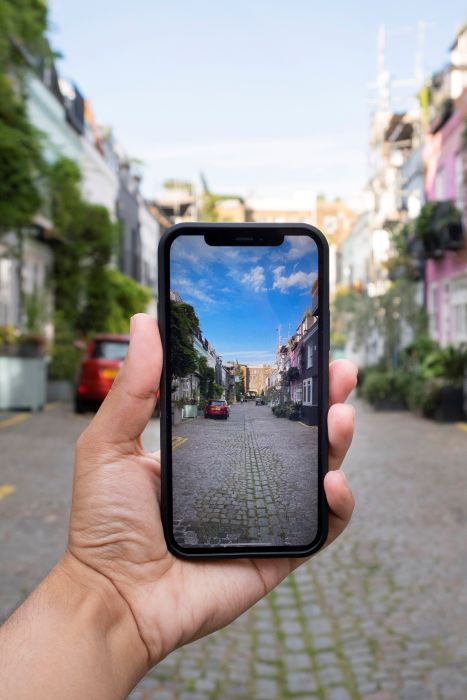
The ultimate advantage of your smartphone is its unparalleled convenience. It’s always there, ready to capture a spontaneous moment, a beautiful sunset, or a fleeting expression. This leads to instant sharing with friends and family or to your social media followers, all without the need for expensive equipment.
Social Media Has Changed Photography
Platforms like Instagram and Facebook have fueled a visual culture. Whether you’re into travel blogging, building a personal brand, or running small business marketing, high-quality, authentic imagery is currency. Your smartphone is the perfect tool to meet this demand.
Fundamental Smartphone Photography Tips
Clean Your Lens First (Seriously!)
It might sound basic, but this is the most overlooked photography tip. Fingerprints, dust, and smudges on your lens reduce sharpness and introduce haze. A quick wipe with a microfiber cloth or the edge of your shirt can improve image quality instantly. Make it a habit!
Use Natural Light Whenever Possible
Lighting is the foundation of a great photo. Learn to harness its power.
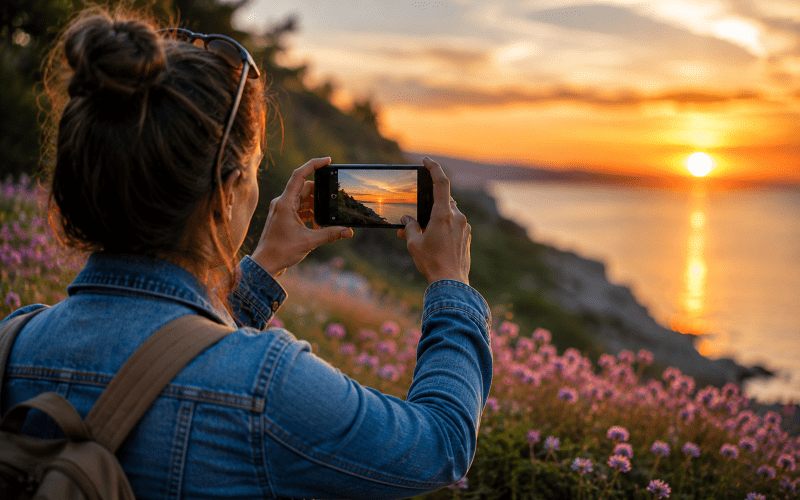
- The Golden Hour Advantage: The soft, warm light shortly after sunrise and before sunset is incredibly flattering. It adds a magical glow to landscapes, portraits, and everyday scenes.
- Avoid Harsh Midday Sun: Direct overhead sunlight creates unflattering shadows and washes out colors. If you must shoot midday, seek open shade to get softer, more even light.
- Position Your Subject Properly: Pay attention to where the light is falling. For portraits, try side lighting for dimension or front lighting for an even, clean look.
Know Your Camera Settings
Before taking your next photo, spend a few minutes exploring your camera app.
Features worth trying include:
- Grid lines for composition
- HDR mode for challenging lighting
- Portrait mode for people and pets
- Night mode for low-light photography
- Burst mode for action shots
Learning these settings can instantly improve your results without spending a dime.
Stop Using Digital Zoom
This is a cardinal rule of smartphone photography. Zooming in digitally is essentially just cropping the image in-camera, which leads to a significant loss of detail and increased noise (graininess). Instead, move your feet. Get physically closer to your subject for a clearer, sharper result. You can always crop the photo later if needed.
Learn the Rule of Thirds
This simple trick, used by professional photographers, instantly creates more dynamic and interesting compositions.
Imagine your screen divided into nine equal rectangles by two horizontal and two vertical lines. Instead of placing your subject dead center, position them along one of these lines or at their intersection. This adds visual tension and a sense of balance to your image. Most smartphones have a grid option in their camera settings to help you with this.
Focus on the Eyes (For Portraits)
In any portrait, especially of people or pets, the eyes should be in sharp focus. They are the emotional center of the photo. Tap the screen on your subject’s eye to ensure the camera locks focus there. This simple step is key to creating better, more engaging family photos.
Use Leading Lines
Use natural or man-made lines within a scene to guide the viewer’s eye into and through the image. Look for roads, fences, shorelines, boardwalks, or even rows of trees. Leading lines add depth and a professional, structured look to your compositions.
Explore Different Angles
Stop shooting everything at eye level. Changing your perspective can transform a mundane scene into something fascinating.
- Try low angles: Get low to the ground to make subjects look more powerful and impressive.
- Try high angles: Shoot from above to create a different view of a familiar subject.
- Try side perspectives: Moving around your subject can reveal new details and interesting shapes.
Advanced Tips and Creative Techniques
Use Portrait Mode Correctly
Portrait Mode is excellent for creating that coveted soft background blur (bokeh) that isolates your subject. However, common mistakes like busy backgrounds or poor lighting can ruin the effect. For best results, use it with a simple, distant background and ensure your subject is well-lit.
Edit Like a Pro
Post-processing is where good photos become great. You don’t need complex software—small adjustments make a big difference. Focus on brightness, contrast, highlights, and shadows. The key is to avoid overediting. Aim for a natural, enhanced look.
Free Apps Worth Trying:
- Snapseed (powerful, intuitive tools)
- Lightroom Mobile (professional-grade controls)
- Google Photos (simple and effective editing)
Take Better Travel Photos
Go beyond the postcard shot. Tell a story by including local people, details, and experiences—not just landmarks. Look for unique perspectives, like capturing the reflection of a landmark in a window or focusing on a detail like local crafts. Photograph experiences, not just destinations.
From Digital to Tangible
Turn Your Photos Into Something Special
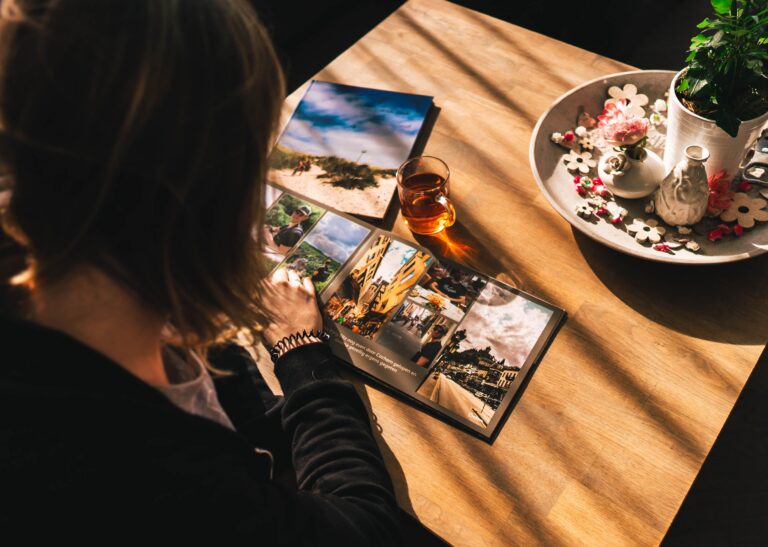
Many people leave their best photos trapped on their phones when they could be enjoying them every day. Transform your digital memories into physical keepsakes.
- Create Photo Books to chronicle a trip or a year.
- Print Wall Art to decorate your home with your own work.
- Make Personalized Gifts that friends and family will cherish.
Can Smartphone Photography Become a Side Hustle?
Absolutely. Your skills have real value. Consider:
- Selling Photos Online through stock photo websites.
- Social Media Content Creation for local businesses.
- Small Business Photography for products, services, or menus.
- Event Photography for smaller gatherings or parties.
Common Smartphone Photography Mistakes to Avoid
- A dirty lens.
- Overusing filters that look unnatural.
- Crooked horizons (use your grid!).
- Relying too much on zoom.
- Ignoring lighting conditions.
- Shooting against cluttered backgrounds.
Photographing the Moments That Matter Most
Some of life’s most important moments happen unexpectedly.
- Tips for Better Family Photos
- Focus on genuine expressions rather than posed smiles.
- Get down to a child’s eye level.
- Capture interactions, not just faces.
- Take multiple shots to increase your chances of getting the perfect image.
Years from now, these photos may become some of your most treasured possessions.
Turn Walks Into Photo Adventures
One of the easiest ways to improve your photography is to spend more time outdoors.
Look for:
- Birds
- Butterflies
- Wildflowers
- Sunrises and sunsets
- Reflections on water
Nature photography encourages exploration and can transform an ordinary walk into a creative adventure.
Conclusion: Your Best Camera Is Already in Your Pocket
The most memorable photographs aren’t always taken with expensive equipment. More often than not, they’re captured in everyday moments using the camera that’s already within reach.
By paying attention to lighting, composition, focus, and perspective, you can dramatically improve your smartphone photography and create images that tell meaningful stories. Whether you’re documenting family milestones, sharing travel adventures, building a business, or simply expressing your creativity, the skills you develop today will help preserve memories for years to come.
The next time you reach for your phone, take a moment to slow down, look carefully at your surroundings, and think about the story you want to tell. You may be surprised at the beautiful images you’re capable of creating.