Home Modifications for Seniors: Safe Aging at Home
4 min read
738 words
Most people want to stay in their own home as they age, but very few take the steps needed to make that possible safely. In 2026, home modifications for seniors have become one of the most important ways to protect independence, prevent falls, and reduce the risk of sudden health emergencies. From simple bathroom upgrades to smart safety technology, the right changes can dramatically extend the ability to live comfortably at home. This guide breaks down the most effective and practical home modifications that help seniors stay safe, confident, and independent in the place they love most.
Why Home Modifications for Seniors Matter More Than Ever
Aging in place in 2026 means more than staying in your own home. It means living in a space designed for safety, comfort, and independence. Fall prevention remains the most critical factor, as falls are one of the leading causes of injury among older adults. Small improvements today can prevent major health challenges later and help preserve long-term independence.
Many families also add extra peace of mind with emergency response systems such as Lifeline Canada, which provide quick access to help at the push of a button.
Bathroom Modifications for Senior Safety
- Walk in showers: Replace tubs with curbless showers for easier access.
- Grab bars: Install securely near toilets and showers.
- Non slip flooring: Reduce risk of slipping.
- Comfort height toilets: Easier on joints and mobility.
Kitchen Upgrades for Easier Living
- Pull out storage for easy access
- Lever style faucets for arthritis-friendly use
- Bright task lighting for safety
- Induction cooktops with auto shutoff
Fall Prevention Throughout the Home
- Remove rugs and clutter
- Secure electrical cords
- Install handrails on both sides of stairs
- Consider stair lifts for multi-level homes
Smart Home Technology for Seniors
- Motion sensor lighting
- Voice assistants for reminders and emergency calls
- Wearable fall detection devices
Bedroom and Living Space Adjustments
- Safe bed height for easy standing
- Clear walking paths
- Supportive chairs with armrests
- Emergency devices within reach
How to Make Home a Safe Place for Older Adults
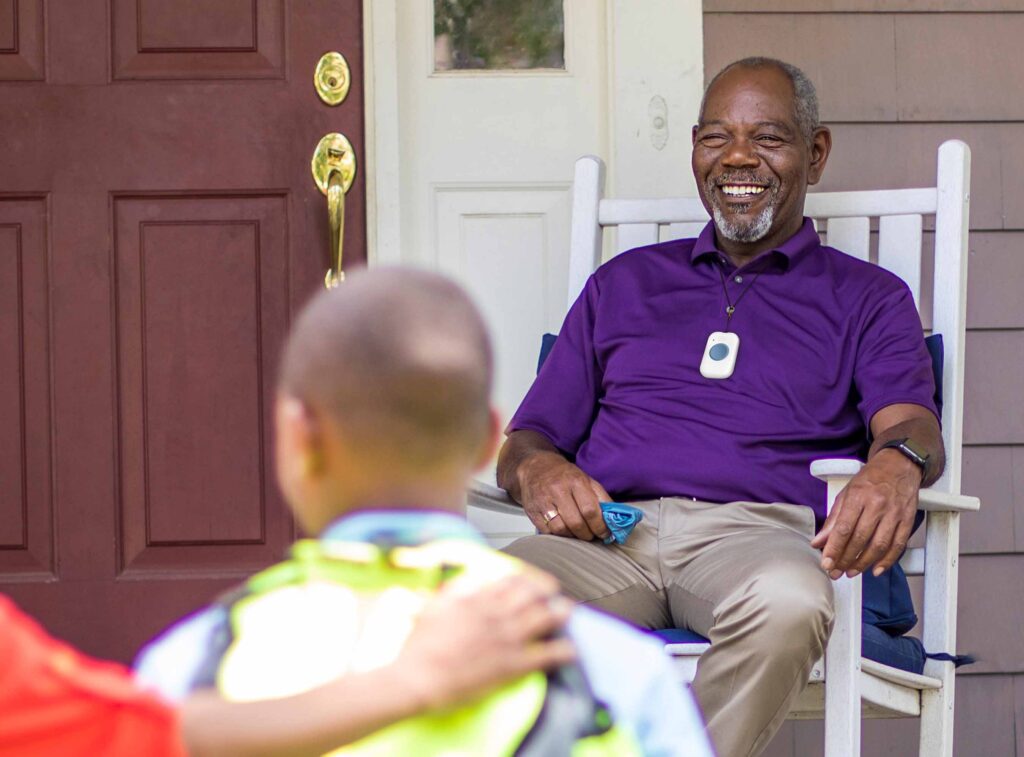
Creating a safe home for older adults involves more than isolated upgrades. It requires a full assessment of mobility, vision, cognitive ability, and daily routines. Start by walking through the home as if you had limited balance or strength, identifying areas where falls or confusion could occur.
Focus on lighting, especially in hallways and bathrooms, and ensure frequently used items are easy to reach without bending or climbing. Clear communication between family members is also essential when planning long-term safety adjustments.
Best Dementia Wandering Prevention Devices (2026)
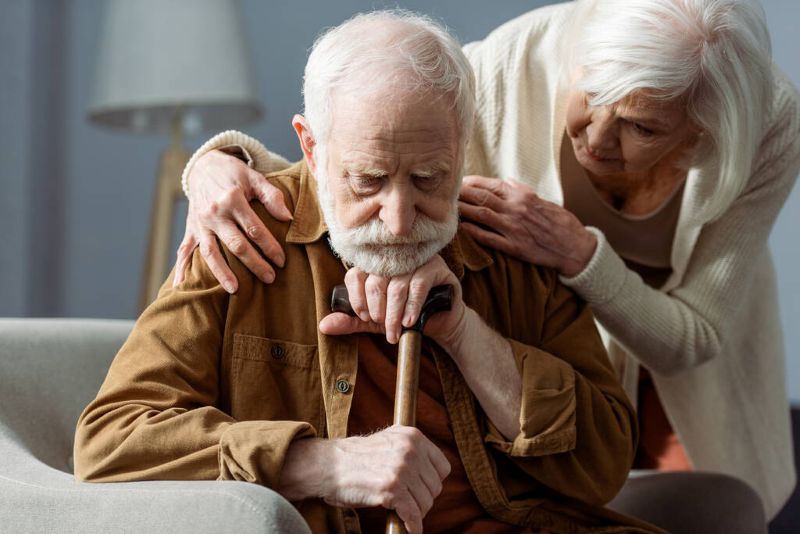
Combining physical upgrades with monitoring tools such as dementia wandering devices can significantly improve overall safety and independence.
For seniors living with dementia, wandering is one of the most serious safety risks. Fortunately, new technology in 2026 offers effective solutions to help families stay alert and connected.
- GPS wearable trackers: Provide real-time location tracking for family members
- Door alarms: Alert caregivers when doors are opened unexpectedly
- Smart home sensors: Detect unusual movement patterns at night
- Medical alert bracelets: Provide identification and emergency contact info
These devices are often most effective when used together, creating a layered safety system that reduces risk while preserving dignity and independence.
Financial Help and Support Options
Home modifications for seniors can be supported through tax credits, provincial programs, and insurance coverage in Canada. Many families are surprised to learn that even small upgrades may qualify for financial assistance.
When Home Modifications May Not Be Enough
If frequent falls, memory decline, or increasing medical needs become a concern, additional care options such as assisted living or multigenerational housing may need to be considered.
Conclusion
Investing in home modifications for seniors is one of the most effective ways to support safe aging in place. Start with high-risk areas such as bathrooms and stairways, then expand improvements gradually over time.
A safe home is not about perfection, it is about prevention, awareness, and thoughtful planning that supports independence for as long as possible.
Frequently Asked Questions
What are the most important home modifications for seniors?
Bathroom safety upgrades, lighting improvements, and fall prevention changes are the most important.
How can families make a home safer for older adults?
Focus on mobility paths, lighting, clutter reduction, and installing supportive safety equipment.
What devices help prevent dementia wandering?
GPS trackers, door alarms, motion sensors, and medical alert bracelets are commonly used.
Are emergency alert systems necessary?
Yes, especially for seniors living alone. They provide fast access to help in emergencies.