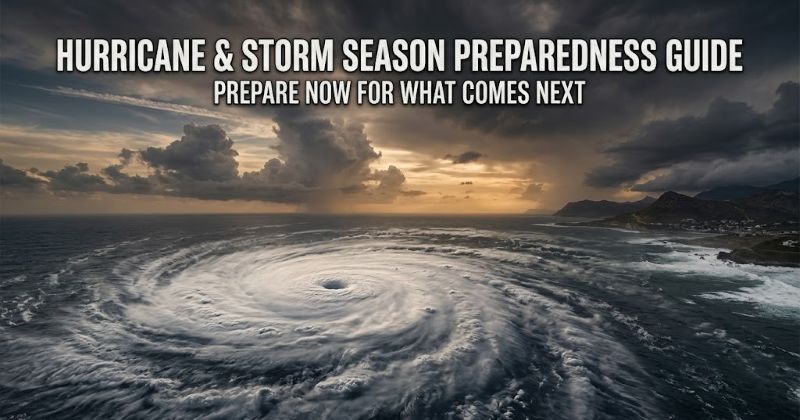
Guide to Preparing for Hurricane & Storm Season
6 min read
1024 words
The whispers of warm ocean breezes can quickly turn into the roar of a powerful storm. For many of us, Hurricane & Storm Season isn’t just a forecast; it’s a reality we must navigate. While the thought of a major storm can be daunting, proactive preparation is your best defense. This guide is designed to help you understand your risks, build essential kits, and develop a foolproof plan so you can face severe weather with confidence and peace of mind. Being prepared isn’t about fear; it’s about empowerment. Let’s dive into how you can safeguard your home, your family, and your peace of mind when Mother Nature comes calling.
1. Understanding the Alerts & New 2026 Tracking Tech
Before gathering supplies, it’s crucial to understand the language of emergency alerts. Knowing the difference between a watch and a warning significantly impacts your timeline for action during the peak of the hurricane & storm season.
- Hurricane Watch: Hurricane conditions (sustained winds of 74 mph or higher) are possible in your area within the next 48 hours. Think of this as a serious heads-up. This is your cue to finalize preparations, check your evacuation route, and monitor local reports.
- Hurricane Warning: Hurricane conditions are expected in your area within 36 hours. This is an urgent alert. If ordered to evacuate, do so immediately. If staying, finalize your safety measures.
The New NHC Forecast Cone
If you are tracking storms this year, you will notice a major update to the weather graphics. The National Hurricane Center launched a new NHC forecast cone that now displays inland hurricane watches and warnings directly on the main map.
Previously, these visuals focused heavily on coastal impacts. This upgrade is a crucial reminder that destructive winds and torrential rains don’t stop at the beach—inland communities need to prepare just as thoroughly.
2. The Hidden Danger: Storm Surge
One of the most destructive and underestimated threats during a tropical cyclone is storm surge. This isn’t just a high tide; it’s an abnormal, rapid rise of water generated by a storm’s winds pushing the ocean onshore, often arriving well ahead of the hurricane’s eye.
Storm surge can travel several miles inland, flooding rivers, bays, and estuaries. It poses an immediate threat to life and property.
The Golden Rule of Flood Safety
Always heed local evacuation orders regarding water risks. If you encounter flooded roads post-storm, remember the universal safety phrase: “Turn Around, Don’t Drown.” Moving water is incredibly powerful, and standard vehicles can easily be swept away.
3. Fortifying Your Home & Property
True preparedness starts before the active hurricane & storm season ever begins. Securing your physical property can mean the difference between minor maintenance and devastating structural damage.
- Protect Windows: Install permanent storm shutters or impact glass. If you need a temporary DIY fix, use thick plywood boarding. Never use window tape. Tape does not stop glass from shattering; it merely creates larger, more dangerous flying shards.
- Clear the Yard: Schedule tree trimming to remove dead or overhanging branches. Clear your yard of loose items, toys, and patio furniture that could become dangerous airborne projectiles in high winds.
- Prevent Basement Flooding: Ensure your home features a reliable battery backup sump pump system. When severe storms knock out the main power grid, a standard pump will fail, leading to catastrophic indoor flooding.
4. Building Your Emergency Supply Kit
A well-stocked emergency kit is your lifeline during and after a storm. Aim for a 72-hour self-sufficiency window, as local utilities and emergency services may be offline during a hectic hurricane & storm season.
Essential Supplies Checklist
- Water & Nutrition: Stock at least one gallon of water per person per day for drinking and basic sanitation. Focus on non-perishable food items (canned goods, protein bars, shelf-stable snacks) and pack a manual can opener. Keep water purification tablets as a secondary backup.
- Power & Communication: Keep a NOAA Weather Radio or a battery-powered radio on hand for official emergency broadcasts. Avoid candles due to fire hazards; opt for flashlights and lanterns instead.
- Backup Energy: Ensure portable power banks are fully charged. For more robust needs, a whole house solar generator for emergencies is an incredibly safe, clean alternative to traditional gas generators.
- First Aid & Safety: Keep a fully stocked emergency medical kit, a whistle to signal for help, a fire extinguisher, and at least a 7-day supply of all vital prescription medications.
5. Creating a Digital Go-Bag
Physical kits are vital for survival, but a digital go-bag checklist protects your long-term recovery. Scan or photograph your most critical documents and upload them to a secure, password-protected cloud server or an encrypted USB drive before the local hurricane & storm season shifts into high gear.
Include your identification cards, medical records, property deeds, and family photos.
The 30-Day Insurance Trap
While updating your digital go-bag, perform a thorough insurance checkup. A common misconception is that standard homeowner policies cover rising water damage. They do not. True flood protection requires a separate policy, and these almost always carry a strict flood insurance 30-day waiting period before taking effect. You cannot buy coverage at the last minute when a storm is already named.
6. The 2026 Hurricane Season Outlook
Meteorologists are closely watching global atmospheric trends for the 2026 Atlantic hurricane season outlook. The current NOAA below-normal forecast 2026 points to a developing El Niño hurricane impact 2026. This climate pattern typically creates high wind shear over the Atlantic, which can tear storms apart before they mature.
However, weather experts emphasize that “below-normal” does not mean “zero-risk.” It only takes one single storm to completely alter a community. As the season gets underway and we look toward the first named system, Hurricane Arthur 2026, consistent vigilance remains our absolute best strategy.
Your Preparedness Journey Starts Now
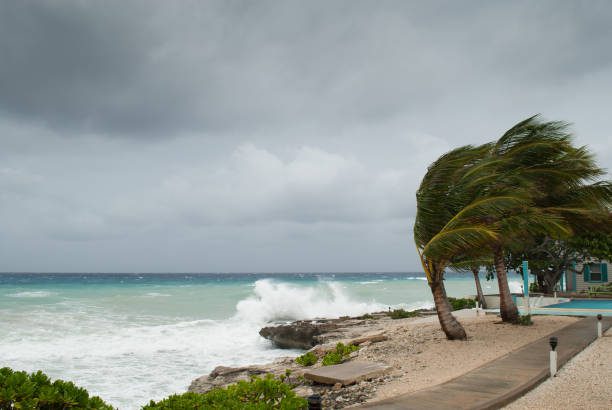
Preparing for the annual hurricane & storm season is an ongoing process of empowerment, not a reaction based on fear. By understanding the updated tracking alerts, fortifying your home with backup systems, and securing your digital and physical kits, you are taking powerful steps to protect what matters most.
Don’t wait until a storm is spinning off the coast. Start your preparations today, talk through your plan with your loved ones, and stay informed.