Summer Car Maintenance Checklist for Drivers (2026 Guide)
6 min read
1186 words
There is nothing quite like the freedom of a summer road trip. Windows down, music up, and the open road ahead. But before I hit the gas, I’ve learned through experience that summer heat can be brutal on vehicles. Over the years, I’ve built a simple but reliable summer car maintenance checklist for drivers to ensure my car is as ready for the sunshine as I am.
In this guide, I’m sharing my personal summer vehicle maintenance routine. Whether you’re planning a cross-country adventure or just commuting in extreme heat, these steps are designed to keep you safe, reduce breakdown risks, and prevent costly repairs.
1. Why Summer Car Maintenance Matters
I used to think winter was the toughest season for vehicles, but I quickly learned that summer brings its own challenges. High temperatures place serious stress on every major system in your car.
A proper summer car maintenance checklist helps prevent common issues such as:
- Sudden engine overheating.
- Tire blowouts on hot asphalt.
- Battery failure in extreme heat.
Rather than reacting to breakdowns, I now focus on prevention. A few simple checks before the season starts can mean safer driving, fewer surprises, and real peace of mind on the road.
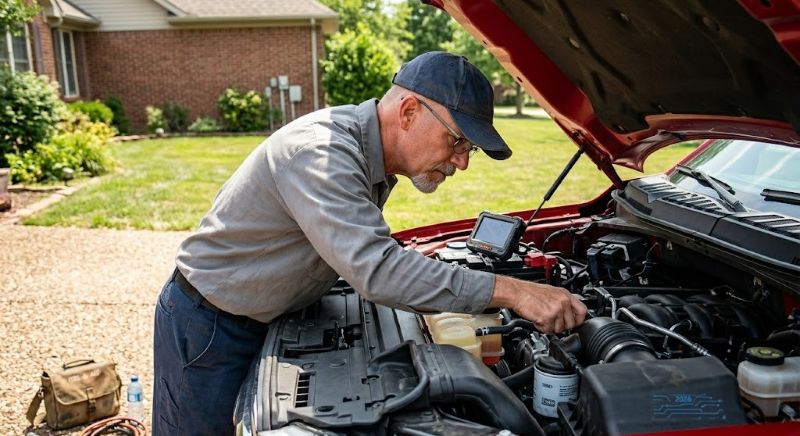
2. Check Your Engine Cooling System
Heat is the biggest threat during summer driving, especially to your engine. One thing I never skip is inspecting the cooling system before long trips.
- Coolant levels: I always check the reservoir when the engine is completely cool. Low coolant is one of the fastest ways to cause overheating.
- Radiator condition: I look for dirt, debris, or blockages that could reduce airflow.
- Hoses and belts: A quick squeeze helps detect cracks or weak spots that heat can worsen quickly.
Mechanics often say overheating increases in summer because engines struggle to release heat in already hot air.
3. Battery Health Check
Many drivers do not realize that heat is harder on batteries than cold weather. High temperatures can dry out internal fluids and speed up corrosion.
A quick habit I follow is:
- Checking for corrosion on terminals and cleaning it if needed.
- Getting the battery load tested if it is over three years old.
- Watching for slow starts, especially on warm mornings.
If my battery shows weakness, I replace it before a long summer drive instead of risking a breakdown.
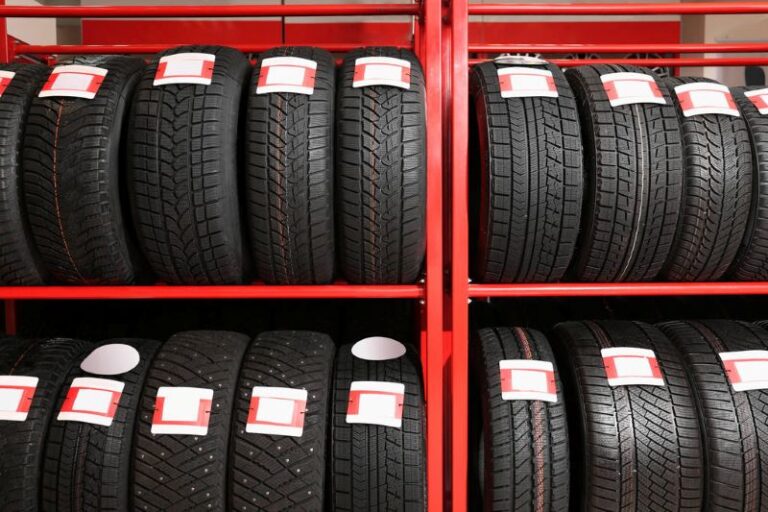
4. Tire Condition and Pressure Safety
Tires expand in heat, and that increase in pressure can raise the risk of a blowout.
- I always check tire pressure when tires are cold.
- I follow the manufacturer’s PSI found inside the driver’s door, not the tire sidewall.
- I use the penny test to check tread depth.
- I never forget to inspect the spare tire because it is useless if it is flat.
Even a small pressure imbalance in summer heat can become dangerous at highway speeds.
5. Air Conditioning System Performance
I never wait for the first heatwave to test my AC system. If the air feels weak or takes too long to cool, I treat it as an early warning sign.
- Cabin air filter: I replace it annually for better airflow and efficiency.
- Cooling performance: If the air is not crisp, I have the system checked for refrigerant leaks.
A well functioning AC system is not just about comfort. It also helps reduce driver fatigue in extreme heat.
6. Oil and Fluid Levels Inspection
Heat breaks down fluids faster, especially engine oil.
Here is what I check regularly:
- Engine oil: I check dipstick color and level. If it is dark or gritty, I replace it immediately.
- Transmission fluid: Important for long drives and towing in summer conditions.
- Brake and washer fluid: I top these off to maintain visibility and braking performance during sudden storms.
Many mechanics recommend synthetic oil in summer because it handles heat better.
7. Brake System Safety Check
Summer road trips often mean heavier traffic and longer drives, which put extra strain on brakes. One thing I always watch for is any change in braking feel.
- Grinding, squeaking, or vibration is a warning sign.
- A spongy brake pedal may indicate overheating fluid.
If I have not had a brake inspection in the past year, I schedule one before long distance travel.
8. Wiper Blades and Visibility Readiness
Summer weather is not just sunshine; it also brings sudden downpours.
- I replace wiper blades every 6 to 12 months.
- If they streak or skip, I replace them immediately.
- I clean the windshield regularly to reduce glare and buildup.
Clear visibility is critical during fast changing summer weather conditions.
9. Exterior Protection from Sun Damage
The sun can damage both your car’s paint and interior over time.
- I apply wax before peak summer to protect paint from UV rays.
- I use a windshield sunshade when parking outdoors.
- Whenever possible, I park in shaded areas.
This simple routine helps prevent fading, cracking, and long term sun damage.
10. Emergency Kit for Summer Driving
Even with perfect preparation, unexpected situations can still happen. My summer emergency kit includes:
- Bottled water stored safely away from direct heat.
- Jumper cables.
- A basic first aid kit.
- Flashlight and a small toolkit.
- Tire repair kit.
This kit has saved me more than once during roadside delays.
11. Road Trip Summer Car Checklist (Bonus Section)
Before any long drive, I do a final walk around inspection:
- Fluids topped off, including oil, coolant, and washer fluid.
- Tire pressure checked, including the spare.
- Lights tested, including headlights, brake lights, and signals.
- Documents ready, including insurance and registration.
- Route checked for weather or construction delays.
This quick routine takes minutes but prevents major issues.
12. Common Summer Car Mistakes Drivers Make
I have made some of these mistakes myself, and they can be costly:
- Ignoring coolant levels before long trips.
- Overloading the vehicle beyond safe limits.
- Driving with underinflated tires in hot weather.
- Skipping AC maintenance until it fails.
These small oversights often lead to avoidable breakdowns.
13. Final Thoughts

Taking care of your vehicle in hot weather does not have to be complicated. By following this summer car maintenance checklist for drivers, I have avoided breakdowns, reduced repair costs, and made every trip more enjoyable.
The key is consistency. A few seasonal habits can make a huge difference in safety and performance.
Before your next drive, take a few minutes to run through this checklist. You will thank yourself later.
Stay cool, drive safe, and enjoy the journey.
FAQs
- What is the best summer car maintenance checklist?
A complete checklist includes cooling system checks, tire pressure, battery health, fluids, and AC performance. - Why does my car overheat more in summer?
High ambient temperatures make it harder for the engine to release heat efficiently. - How often should I check tire pressure in summer?
At least once every two weeks or before long trips. - Is battery failure common in hot weather?
Yes, heat can accelerate internal battery damage and reduce lifespan. - What is the most important summer car maintenance step?
Checking the cooling system and coolant levels is one of the most critical steps. - Do I need a summer emergency kit?
Yes, it helps you stay prepared for unexpected breakdowns or delays.