Balsamic Haddock Veggie Bowl: A Simple and Balanced Meal
4 min read
667 words
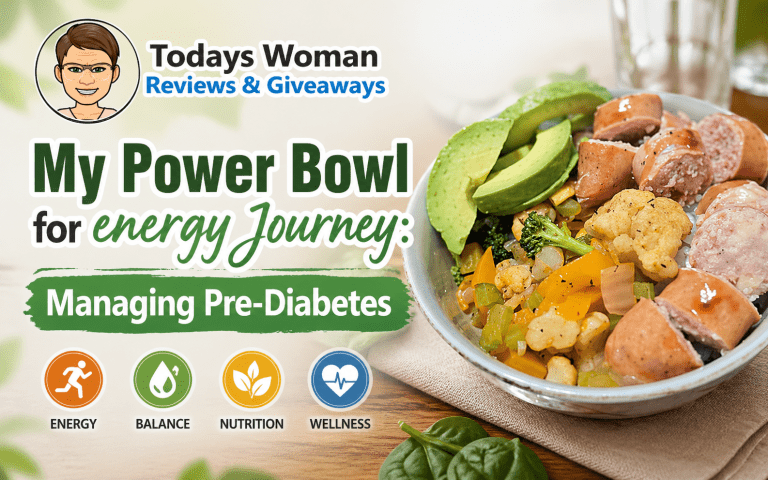
Why Veggie Bowls Are Gaining Ground
The appeal is simple: one bowl can deliver fiber, vitamins, minerals, and satisfying flavor—without juggling multiple dishes. Even better, each component is easy to swap, making veggie bowls flexible for different diets and preferences.
They’re also practical. After a long day, having a meal that comes together quickly and uses ingredients you already have—makes healthy eating much easier to stick with.
The Role of White Basmati Rice
A common question is whether white rice affects blood sugar. While most white rice has a higher glycemic index, basmati rice falls lower on the scale (around 50–58), meaning it has a gentler impact compared to other varieties.
When eaten in reasonable portions, white basmati rice can absolutely fit into a balanced diet. It provides steady energy and a soft, neutral base that allows the vegetables and flavors to stand out. Pairing it with protein and healthy fats helps further support balanced energy levels.
Haddock: A Smart, Lean Protein Choice
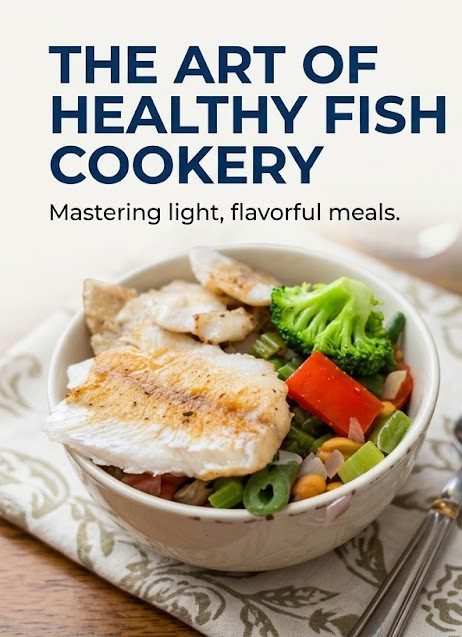
If you’re looking for a protein that supports balanced eating, haddock is an excellent option. This lean white fish provides high-quality protein with virtually no carbohydrates.
It’s also a source of important nutrients like vitamin B12 and selenium, along with small amounts of omega-3 fatty acids. Combined with vegetables and a moderate portion of rice, haddock helps create a meal that feels light but still keeps you full.
Balsamic Haddock Veggie Bowl – Ingredients
Protein
- Haddock fillets (four 6-ounce pieces)
Vegetables
- Fresh broccoli florets
- Trimmed green beans
- Sliced mushrooms
- Thinly sliced red onion
Base
- Cooked white basmati rice (about two cups)
Extras & Flavor
- Unsalted peanuts, roughly chopped
- Balsamic vinegar
- Extra-virgin olive oil
- Garlic cloves, minced (optional)
- Sea salt and freshly ground black pepper
- Low-sodium soy sauce (optional)
Step-by-Step Preparation
Step 1 – Balsamic Rice
Cook the basmati rice according to package directions. Once tender, remove from heat and gently mix in one to two tablespoons of balsamic vinegar, a light drizzle of olive oil, and a pinch of salt. Set aside.
Step 2 – Bake the Haddock
Preheat your oven to 400°F (200°C). Place the haddock fillets on a parchment-lined baking sheet. Drizzle lightly with olive oil, season with salt and pepper, and add a touch of balsamic vinegar. Bake for 12–15 minutes, or until the fish flakes easily.
Step 3 – Veggie Stir-Fry
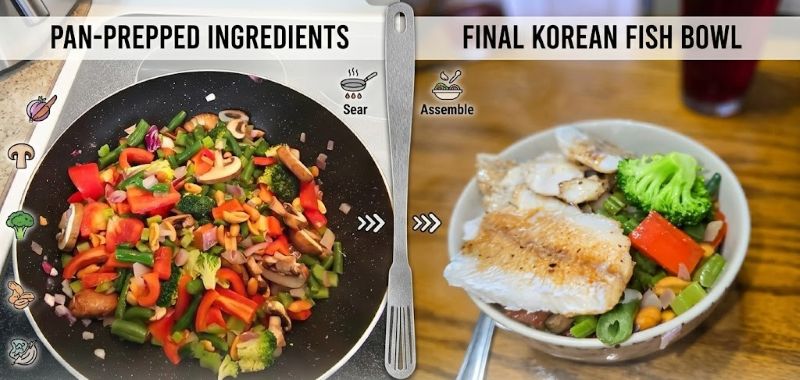
Heat a small amount of olive oil in a large skillet over medium heat. Add the red onion and garlic, cooking for about two minutes until fragrant.
Add broccoli, green beans, and mushrooms. Cook for 5–7 minutes, stirring often, until the vegetables are tender-crisp. Finish with a drizzle of balsamic vinegar and, if desired, a dash of soy sauce. Stir in the peanuts just before serving to keep their crunch.
Step 4 – Assemble the Bowl
Spoon the balsamic rice into each bowl. Layer the vegetables over the top, then add a baked haddock fillet. Finish with a few extra peanuts and, if you like, a squeeze of fresh lemon for brightness.
Practical Weight-Loss Tips That Actually Help
- Double the vegetables if you’re still hungry
Adds volume and fiber without significantly increasing calories - Eat slowly
Gives your body time to register fullness - Measure the peanuts
A small amount adds crunch and healthy fats without excess calories - Choose acid over extra oil
Lemon juice or balsamic vinegar boosts flavor without added fat - Keep meals warm and satisfying
Warm bowls often feel more comforting and can help reduce cravings later
Bring the Bowl Home
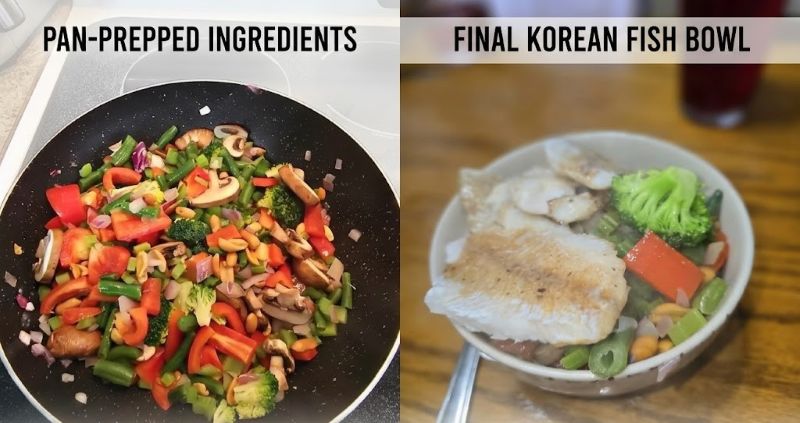
This is the kind of meal that feels good to eat and easy to repeat. It’s simple, balanced, and full of flavor. It doesn’t feel like “diet food.”
Try it once, and it might just become a regular in your kitchen.