Children’s Social Health: How many Friends are Enough?
3 min read
514 words
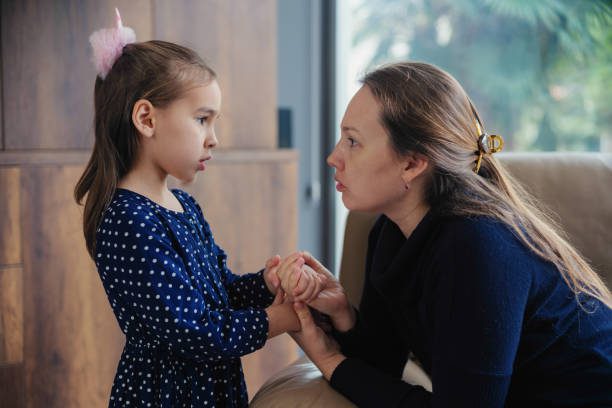
As parents, we’ve all been there. You’re standing at the edge of the playground, heart in your throat, watching your child navigate the complex world of peers. Maybe they are the life of the party, or maybe they are sitting quietly on the sidelines with a single book. In those moments, it’s natural to wonder: Is my child doing okay? Do they have enough friends? In my years of working with families and navigating the ups and downs of my own children’s experiences, I’ve learned that children’s social health is about much more than a crowded birthday party guest list. It is a cornerstone of their overall well-being, acting as both a mirror and a shield for their mental state.
1. The “Magic Number” Myth
One of the most common questions I hear from concerned parents is: “How many friends does a child need?” We live in a world that glorifies large social circles, but the reality is much more nuanced.
- The Power of One: Research shows that having just one high-quality, supportive friend can be a game-changer. This connection acts as a significant buffer against social stress or bullying.
- Introverts vs. Extroverts: Neither is “better.” Understanding your child’s baseline helps you support their social health without imposing extroverted expectations on an introverted heart.
2. The Mental Health Connection
Think of healthy friendships as a “social vaccine.” Childhood friendship and mental health go hand-in-hand; through these bonds, kids learn to practice empathy and build emotional intelligence.
Red Flags to Watch For: A sudden, persistent withdrawal from social groups they once enjoyed can be a symptom of anxiety or depression. If your child stops wanting to see friends, it’s time to lean in and listen closer.
3. Identifying Bullying vs. Social Friction
Developing social skills for kids involves learning how to handle disagreement, but there is a clear line between “growing pains” and a toxic situation.
- Social Friction: Temporary disagreements (like not sharing a ball) are healthy opportunities to learn conflict resolution.
- Bullying: This is repetitive, intentional, and involves a power imbalance. Being able to spot the signs of bullying in school—such as unexplained physical marks or a sudden dread of school—is crucial.
4. When to Consult a Professional
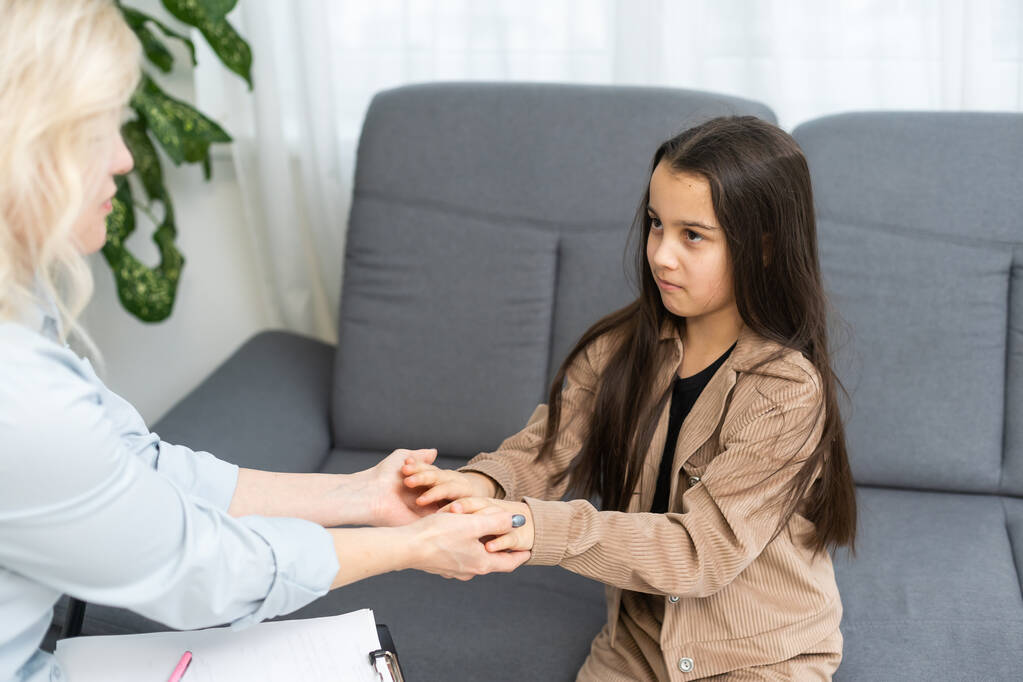
You might consider consulting a child therapist if social anxiety prevents them from participating in hobbies they love, or if they are stuck in a cycle of “people-pleasing” that leaves them emotionally exhausted. Seeking help is a proactive way to give your child the tools they need to thrive.
5. Conversation Starters for Parents
Try these low-pressure “check-in” questions to gauge your child’s social world:
- “Who is the person at school who makes you feel the most like yourself?”
- “Did anyone do anything today that made you laugh?”
- “Was there a time today when you felt like you had to act differently to fit in?”
At the end of the day, children’s social health isn’t about popularity; it’s about connection. By shifting our focus from quantity to quality, we help them build a foundation for a happy, healthy life.