Montessori Mealtime Tools for Little Learners
4 min read
648 words
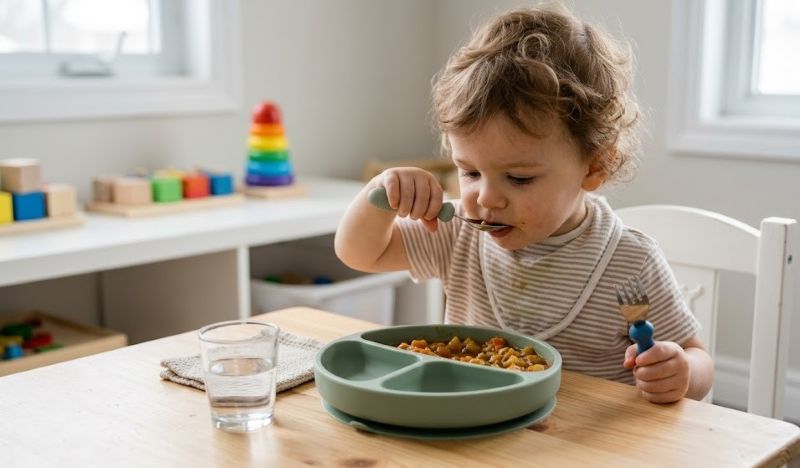
Mealtime offers rich opportunities for learning, especially when approached through a Montessori lens. Rather than focusing solely on nutrition, Montessori-inspired eating environments emphasize independence, coordination, and confidence. When children are given Montessori mealtime tools designed for their size and abilities, everyday routines like meals become moments of skill building and self-discovery. Thoughtful choices at the table can support fine motor development, encourage autonomy, and foster a positive relationship with food.
Setting The Foundation with A Child-Centered Environment
A Montessori-friendly table setup begins with the environment. Furniture, utensils, and dishware should be scaled to the child, allowing them to participate without unnecessary assistance. When children use the right Montessori mealtime tools, such as chairs at the correct height and stable plates, they can focus on the task at hand rather than struggling with their surroundings.
This approach helps children feel capable and respected. They are more likely to try new foods and practice good table habits when they feel in control of the experience. Simple setups also reduce distractions, which supports concentration and mindfulness during meals.
Choosing Tools That Encourage Independence
Practical tools play a central role in Montessori dining. Lightweight plates, easy-grip utensils, and spill-resistant cups allow toddlers to practice eating and drinking independently. Materials like silicone are often favored because they are durable, soft to the touch, and forgiving when dropped.
For example, a tumbler for toddlers made from flexible, food-safe materials can support early drinking skills while minimizing spills and frustration. When children can lift, tip, and set down a cup on their own, they build coordination and confidence. These small successes reinforce the idea that they are capable participants in their daily routines.
Supporting Fine Motor Development Through Mealtime
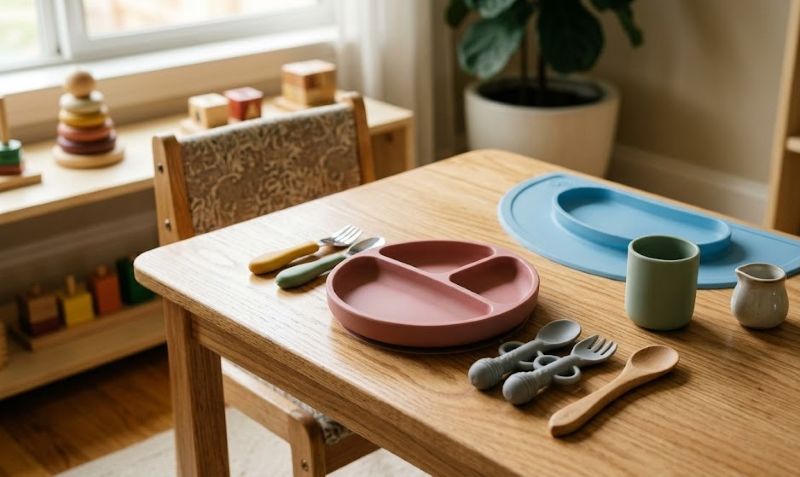
Montessori principles emphasize learning through doing, and mealtime naturally supports fine motor development. Scooping food, gripping utensils, and bringing items to the mouth all require coordination and control. Selecting the proper Montessori mealtime tools makes these movements achievable rather than overwhelming.
Utensils with short handles and gentle curves are essential Montessori mealtime tools that are easier for little hands to manage. Plates with subtle edges can help guide food without creating barriers. Over time, repeated practice with these tools strengthens hand muscles and improves dexterity, which supports later skills like writing and buttoning clothes.
Creating Calm and Predictable Mealtime Routines
Consistency is key to helping young children feel secure. A predictable mealtime routine allows children to anticipate what comes next and focus on participation rather than uncertainty.
- Setting the table together
- Sitting down at the same time
- Cleaning up afterward
All of these reinforce a sense of order. A calm atmosphere also encourages children to listen to their hunger cues. When meals are not rushed or overly managed, children can decide how much to eat and when they are finished. This autonomy supports healthier eating habits and reduces power struggles around food.
Modeling And Gentle Guidance at The Table
Adults play an important role in Montessori mealtimes, not by directing every action, but by modeling respectful behavior. Eating alongside children, using the same tools, and demonstrating patience sets a powerful example. Gentle guidance is offered only when needed, allowing children to problem solve and learn from experience.
Mistakes are viewed as part of the learning process. Spills, dropped utensils, and uneven scoops are opportunities for practice, not correction. By responding calmly and offering support when asked, adults help children build resilience and confidence.
Conclusion
Montessori-inspired tools and routines at the table transform meals into meaningful learning experiences. By creating a child-centered environment, choosing supportive Montessori mealtime tools, and encouraging independence, caregivers can help little learners develop skills that extend far beyond mealtime. With patience and thoughtful setup, the table becomes a place where confidence, coordination, and curiosity grow naturally.