Pro Indoor Ant Control: Why Your Spray Fails
4 min read
704 words
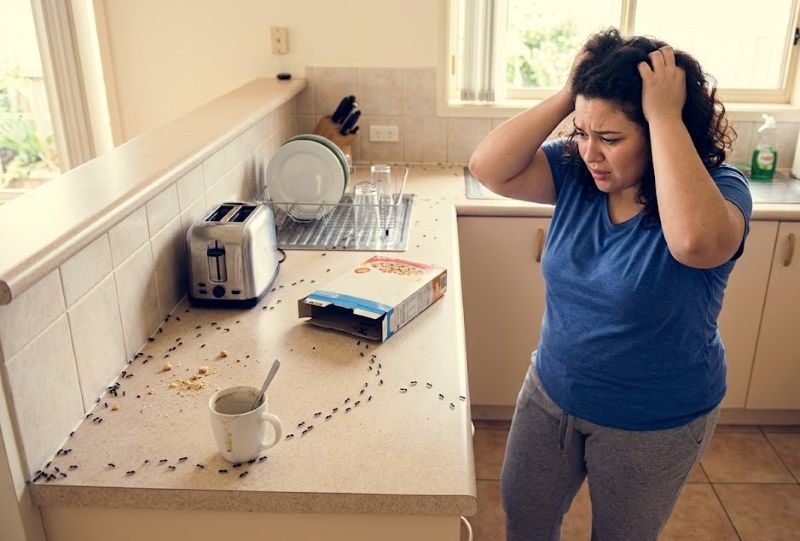
Spotting a lone ant marching across your kitchen counter can feel like a personal affront. But before you reach for the nearest spray can, pause. Truly effective, permanent ant removal isn’t about instant gratification; it’s about understanding the enemy and playing the long game. This guide will walk you through the professional strategy for achieving lasting pro indoor ant control, turning frustrating skirmishes into decisive victories. Forget quick fixes. Let’s delve into the “slow-road” approach that pest control experts swear by.
The Professional Strategy: A “Slow-Road” Approach to Permanent Ant Control
The key to long-term success lies in strategic thinking, not just reacting. Here’s how the pros tackle indoor ant infestations:
1. Identify the “Scouts” vs. The Colony: Your Early Warning System
Finding one or two ants isn’t a failure—it’s an opportunity. These are typically “scouts,” foraging for food and water for the larger colony hidden nearby. A common mistake is to squash them immediately. While satisfying, this actually prevents you from gathering crucial intelligence.
Pro Insight: Resist the urge to kill these individual ants. Instead, observe them. Watch where they go, both as they enter your home and as they return to their nest. They’re laying down pheromone trails that lead directly back to their source.
Pro Tip: Follow the trail! This observation is vital for locating entry points—usually tiny cracks around baseboards, window seals, door frames, or even utility pipes. Identifying these hidden doorways is the first step toward effective pro indoor ant control.
2. The Baiting Game: Why Patience Wins Every Time
When it comes to indoor ants, pros rarely use “instant kill” sprays. Why? Because spraying only eliminates the ants you see, leaving the queen and the vast majority of the colony untouched and free to reproduce. The secret weapon for genuine pro indoor ant control is slow-acting bait.
How it Works (The Science of Trophallaxis)
Ants practice something called trophallaxis, where they share food with other colony members, including the queen and larvae. Slow-acting baits are formulated to take effect gradually. This allows the foraging ants to carry the poisoned bait back to the nest and distribute it throughout the colony before they succumb. If the poison kills too fast, it never reaches the queen, and she’ll simply produce more ants.
The Ingredient to Look For: For homeowner use, look for liquid or gel baits containing boric acid (a refined form of Borax) or Hydramethylnon. Place these baits strategically near the entry points you identified and along the ant trails. Remember, fresh bait is key—replace it regularly.
3. Strategic “Exclusion”: The Secret to Keeping Them Out
Getting rid of existing ants is only half the battle. The true mark of professional success is keeping them from coming back. This is where “exclusion” comes into play.
- Seal the Envelope: Use high-quality silicone caulk to seal gaps in your backsplash, around sinks, and along baseboards. For larger openings around pipes, expanding foam is highly effective.
- The “Buffer Zone”: Ants love nesting in mulch and woodpiles. Create a 12-inch “buffer zone” of gravel or bare ground between your home’s foundation and any landscaping materials.
4. Modern Tech vs. Deep Cleaning: What Actually Works?
While ultrasonic pest repellers are popular, professionals generally find they offer no lasting solution. Instead, pros emphasize a “forensic audit” of your home’s cleanliness.
The Deep Clean Audit Checklist:
- Check for sticky residue under the toaster or coffee maker.
- Clear crumbs from behind the microwave.
- Clean the drip tray behind the refrigerator (a major moisture source).
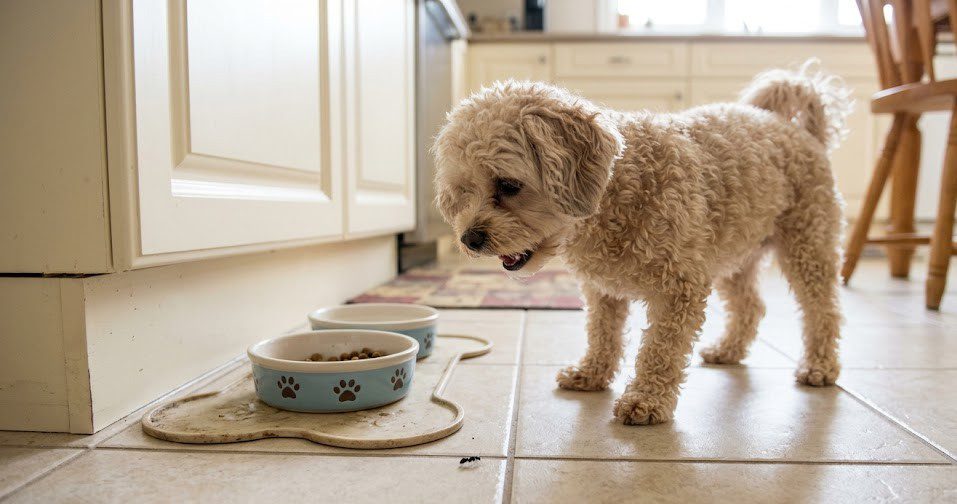
- Remove pet food bowls left out overnight.
- Ensure all pantry items are in airtight, sealed containers.
Maintaining vigilance with indoor ant prevention 2026 means depriving them of a reason to visit in the first place.
When to Call a Professional
There are times when DIY isn’t enough. If you see larger ants with wings, or notice sawdust-like material (frass), you may have Carpenter Ants. These can cause significant structural damage. In these cases, professional ant baiting techniques are required to ensure the colony is fully eradicated before your home’s integrity is compromised.
Share Your Stories!
We’d love to hear from you! What’s the most unusual ant entry point you’ve ever discovered in your home? Share your stories and tips in the comments below!