Build a Sensory Garden for Kids: Safe & Edible Design
4 min read
663 words
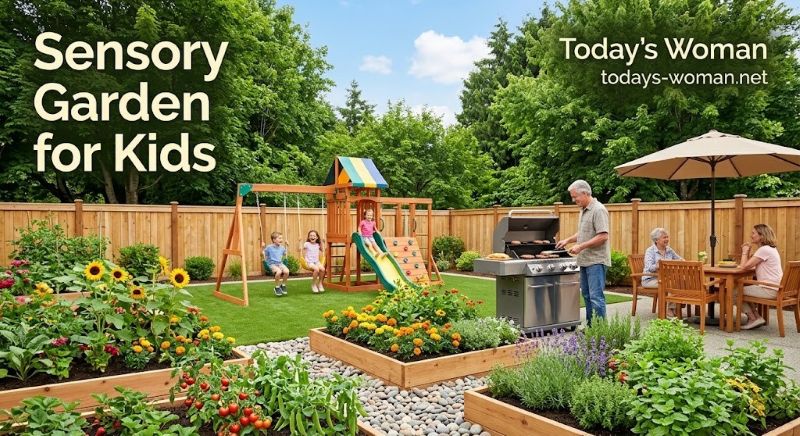
In 2026, the time of the passive, static backyard is coming to an end. Today’s families are looking for “interactive landscapes”—spaces that do more than just sit idle. These spaces invite exploration, movement, and growth. If you want to refresh your outdoor area, consider creating an edible playground. A sensory garden for kids is not just about plants; it’s about making a living classroom that connects active play with healthy eating.
Research shows that hands-on experience with fruits and vegetables is one of the best ways to address fussy eating habits. Kids who grow their own snacks are much more likely to eat them. Let’s look at how to design a sensory garden for kids that feeds both the body and the imagination.
The Foundation: The Central Play Zone
Every great sensory garden for kids needs a central hub filled with energy and activity. We suggest using high-quality artificial turf as your foundation.
Why turf? It gives you a clean, mud-free surface that keeps your home tidy, even after rainy days. More importantly, when laid over shock pads, artificial turf creates a safe, impact-absorbing area ideal for soccer, tag, or gymnastics. By placing this durable play zone in the center, kids can easily shift from high-energy activities to the calm exploration of the garden beds.
The Five Senses of a Kid’s Garden
To create a lively sensory garden for kids, you must engage all five senses to keep them curious and connected to nature.
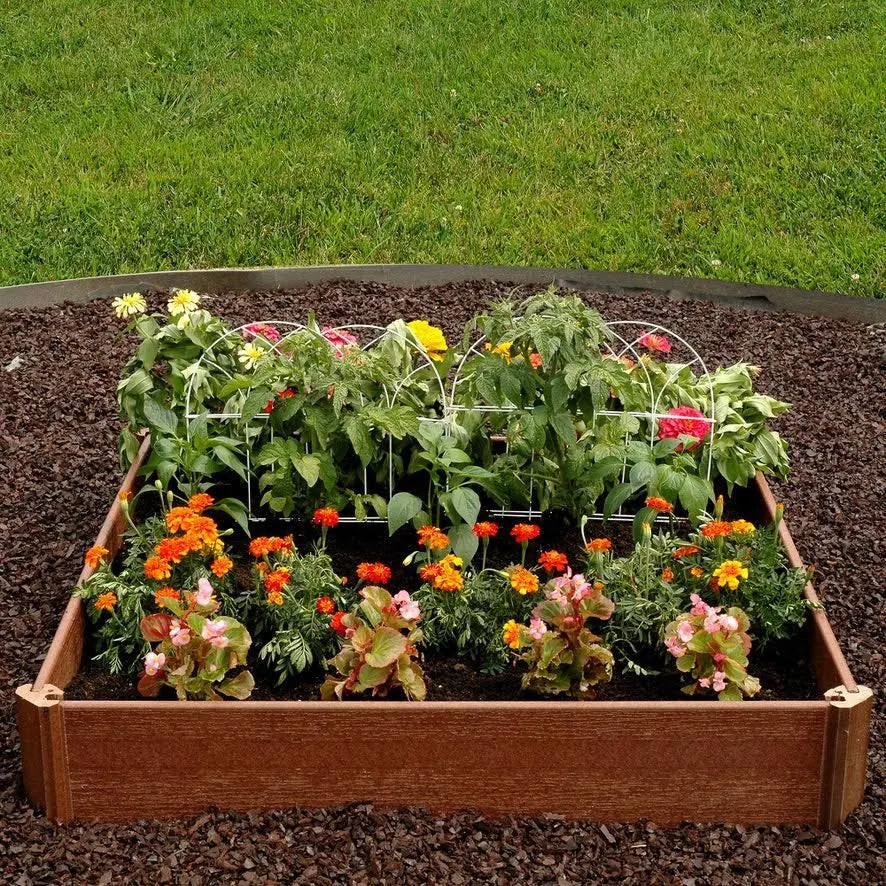
- Taste (The Edible Zone): Fill your raised garden beds with high-yield, kid-friendly crops. Consider sweet cherry tomatoes, juicy strawberries, and crisp sugar snap peas. These are easy to pick and provide quick, tasty rewards.
- Touch: Encourage sensory exploration by mixing textures. Plant fuzzy lamb’s ear, place smooth river stones along pathways, and use the soft, consistent feel of high-quality synthetic grass.
- Smell: Include aromatic plants. Chocolate mint, fragrant lavender, and earthy rosemary create a magical olfactory experience in the garden.
- Sight: Use bright colors to outline your space. Marigolds and sunflowers bring eye-catching yellows and oranges, while the deep greens of artificial turf contrast nicely with the soil-filled beds.
- Sound: Hang wind chimes or plant ornamental grasses that rustle in the breeze, creating a dynamic soundscape.
Designing for Metabolic Health
We are moving from thinking of a “playground” to seeing it as a “fueling station.” By placing your raised garden beds within easy reach of the play area, you can introduce the “Snack-and-Play” model. Instead of going inside for processed snacks, children can munch on fresh berries or peas while playing. This helps connect their physical activity directly to their health, showing them the relationship between the essentials of good nutrition—fiber, protein, and healthy fats—and the food grown right in their backyard.
Installation and Accessibility
A successful sensory garden for kids must be built for their size. Using raised garden bed kits lets you set the height just right for little hands, avoiding accidental trampling while making it easier for small gardeners to maintain.
For the transition between your play zone and your garden, install recycled rubber edging. It provides a soft, safe border that outlines the area while protecting tiny toes as they run from the soccer field to the veggie patch.
A Legacy of Wellness
Investing in a sensory garden for kids goes beyond simple landscaping; it’s an investment in their long-term relationship with food, movement, and nature. By creating an interactive space, you build memories that taste like fresh mint and feel like soft grass.
When you design thoughtfully, you aren’t just creating a yard; you are nurturing a lifetime of wellness. Whether they are picking their first tomato or scoring a goal on the turf, your children will grow in a space created to support their bodies and spirits.
Ready to start your project? Check out our Artificial Turf Safety Guide to make sure your sensory garden for kids is as safe as it is beautiful.