
4 min read
777 words
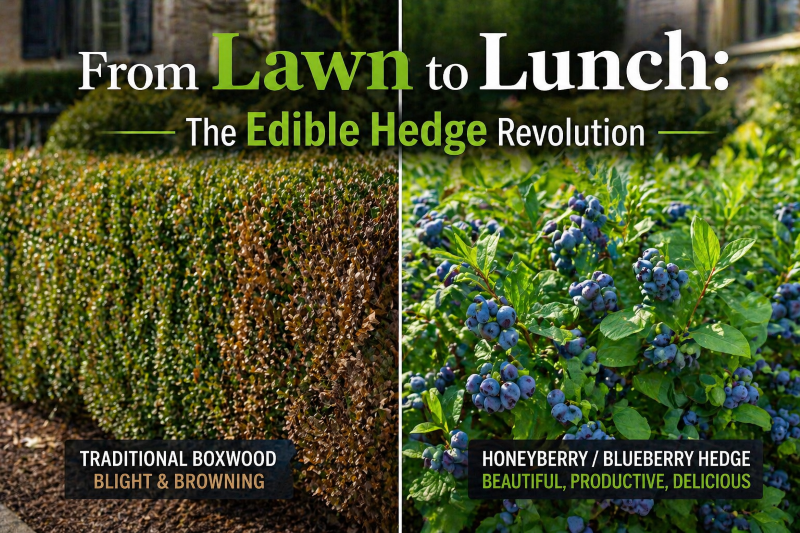
For as long as most of us can remember, the evergreen boxwood has been the standard for a tidy garden. Whether it’s an old estate or a modern suburban driveway, those little green hedges have always provided that perfect, polished frame. But lately, things are changing. With the spread of boxwood blight, a frustrating fungal disease, many of us are left looking at brown patches and rethinking our greenery. This shift has opened the door for something much more exciting: the “foodscape.” Instead of planting hedges that just sit there and look pretty, more gardeners are choosing edible shrubs for landscaping. This trend is part of a movement towards regenerative gardening. It allows you to keep that formal, structured look you love while adding the bonus of a harvest you can eat.
Here in Ontario and across the rest of the country, interest in dual-purpose plants is soaring. We’re all looking for edible shrubs that can survive our harsh winters while still providing something to snack on in the July heat. By swapping a traditional hedge for something edible, you’re helping the soil, the bees, and your own family. If you’re ready to turn your yard into a productive little sanctuary, let’s look at the best edible shrubs for landscaping available right now.
Top 5 Contenders for Your Edible Hedge
Moving towards a foodscape doesn’t mean your garden has to look messy or overgrown. These five varieties give you that crisp, “English Garden” aesthetic while rewarding you with delicious fruit.
1. Blue Berried Honeyberry (Lonicera caerulea)
If you love the look of a boxwood, the Honeyberry is your new best friend. It’s incredibly hardy and one of the most reliable edible shrubs Ontario gardeners can count on. It grows in a dense, tidy mound that perfectly mimics a classic hedge. The best part? You get “super berries” that ripen in early June. They taste like a mix of raspberry and blueberry, providing a fresh treat before the rest of the garden has even woken up.
2. Highbush Blueberry (Vaccinium corymbosum)
For a shrub that works hard all year, the Highbush Blueberry is an excellent choice. In spring, you get delicate white flowers; in summer, sweet berries. When autumn arrives, they show off stunning red leaves that look beautiful against a fall backdrop. These are the quintessential edible shrubs that Canada loves because they are as attractive as they are functional.
3. Serviceberry (Amelanchier)
We often see these as small trees, but certain varieties can be pruned into a very dense, formal hedge. They produce “Juneberries,” which taste a bit like a mix of cherry and almond. They’re great edible shrubs for Ontario homeowners looking to attract more birds while maintaining a sophisticated, structured look in the backyard.
4. Aronia (Black Chokeberry)
If you’re going to miss that glossy boxwood look, Aronia is the perfect alternative. These shrubs have deep green, shiny leaves that can rival any traditional hedge. The berries are known for being packed with antioxidants; they’re a bit tart when you eat them fresh, but they’re great for morning smoothies. Most nurseries in Canada recommend Aronia because they can handle almost any soil.
5. Natal Plum (Carissa macrocarpa)
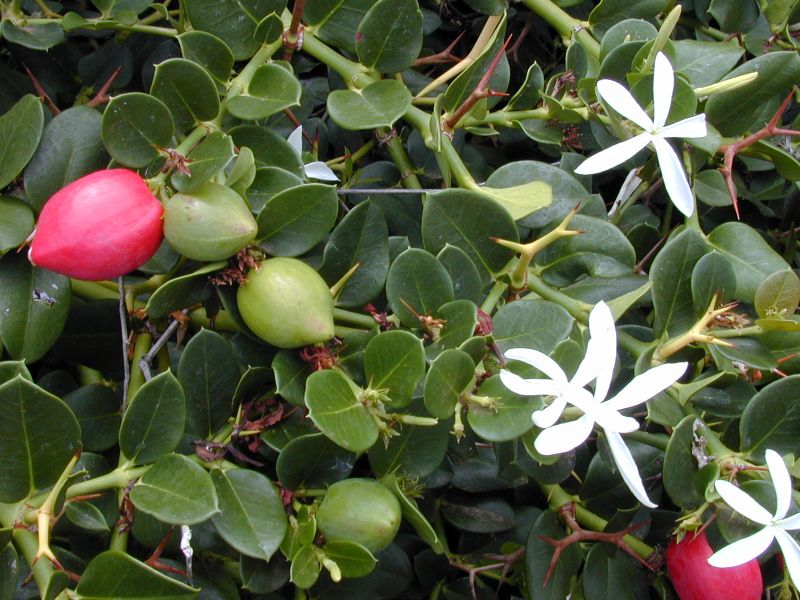
This is a fun choice for sheltered corners of the garden or for large patio containers. Natal Plums have star-shaped flowers that smell wonderful and bright red fruit that resembles a plum. They have dense branching, making them ideal for privacy. Although they are slightly more delicate than other picks, they add a nice tropical feel to a regenerative garden space.
Maintenance: How to Get That “Boxy” Look
A common worry is whether you’ll lose that tailored appearance if you stop using boxwoods. The answer is no! You can absolutely trim edible shrubs for landscaping to maintain those formal lines without sacrificing your harvest. The key is timing: prune them right after you finish picking the fruit. This allows the plant to set new buds for next year while keeping its shape neat and “boxy.”
Good tools make a big difference here. Clean, sharp cuts help prevent disease and keep your edible shrubs looking vibrant. Keeping everything neatly trimmed shows that a productive garden can be just as elegant as a traditional one.
Final Thoughts
The days of high-maintenance, boring boxwoods are fading. By choosing edible shrubs for landscaping, you’re making your garden work for you. Whether you need hardy varieties for a Canadian winter or just want a tasty snack while weeding, there’s an edible option perfect for your yard.
It’s a win for your curb appeal and your kitchen. Invite these shrubs into your garden.
 Carly
Carly  Kayla Baptiste
  Christy Jernigan