Downhill Skiing for Beginners: Guide for Active Women
4 min read
783 words
For many active women, winter often signals a frustrating retreat indoors. Treadmills and yoga mats suddenly replace familiar trail runs and outdoor cycling routines. However, the colder months offer a perfect opportunity to step outside your comfort zone and challenge yourself with a thrilling new athletic endeavor. Learning downhill skiing for beginners is not just an exhilarating way to experience breathtaking mountain landscapes; it is a demanding sport that builds serious strength, sharpens coordination, and tests your endurance. If you are considering swapping your reliable running shoes for ski boots, proper preparation is the crucial first step to success.
Building Strength and Balance Before Hitting the Slopes
Skiing requires much more effort than simply letting gravity pull you down a snowy mountain. It is a highly dynamic physical activity that demands significant core engagement, leg strength, and cardiovascular stamina. As you glide down the hill, your body has to constantly adjust to changing terrain, icy patches, and varied snow conditions. Regular downhill skiing actively challenges your musculoskeletal system and postural control, which supports healthy aging and helps adults comfortably meet their weekly cardiovascular activity recommendations. To prepare your body for these rigorous demands, focus your pre-trip workouts on functional movements and stability training. Incorporating squats, lunges, and lateral leaps into your routine will help build the foundational leg power needed to carve turns and absorb the shock of uneven snow. Furthermore, holding planks and practicing balance exercises, such as single-leg deadlifts or yoga poses, will strengthen the core stability necessary to maintain control and prevent premature fatigue during long days on the mountain.
Sourcing the Right Equipment for Harsh Conditions
The weather in alpine environments can be incredibly unpredictable, shifting from sunny skies to biting winds in a matter of minutes. When you are learning a complex new sport, the absolute last thing you want is to be distracted by freezing toes or ill-fitting boots. Investing in or renting high-quality equipment is a strict necessity for your comfort and safety on the slopes. Finding the perfect fit requires expert knowledge, especially when dealing with rigid ski boots and specific ski lengths tailored to your exact height, weight, and skill level. Because mountain climates can be unforgiving, securing expertly fitted ski gear in Canada ensures you are properly outfitted with high-performance apparel and equipment designed specifically for rugged, freezing environments. Having the right setup not only keeps your body warm and dry, but it also gives you the vital confidence to maneuver effectively as a beginner without worrying about technical malfunctions or inadequate weather protection.
Essential Preparation Tips for Beginners
Even the most physically fit individuals face a steep learning curve when strapping on skis for the very first time. To make your inaugural trip to the ski resort as smooth and enjoyable as possible, keep these practical strategies in mind:
- Review proper safety protocols: Before you head to the resort, reviewing the most current cold weather safety and injury prevention guidelines provided by health organizations can help you avoid common beginner accidents and stay secure on the mountain.
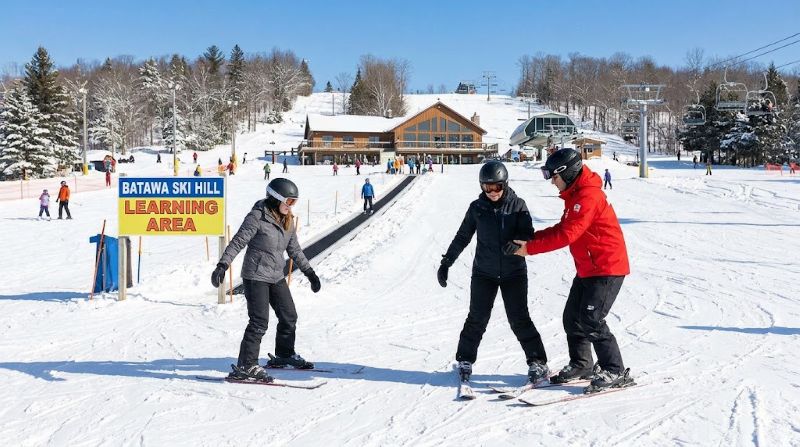
- Take professional lessons: Relying on a friend or romantic partner to teach you often leads to frustration and bad habits. Certified instructors know exactly how to break down the complex mechanics of stopping, turning, and balancing in a way that makes sense for complete beginners.
- Master the art of layering: Avoid cotton materials that trap sweat and quickly make you feel chilled. Instead, opt for moisture-wicking base layers, an insulating mid-layer like a fleece jacket, and a waterproof outer shell to effectively block wind and snow.
- Protect your vision and head: Never skip wearing a certified ski helmet. Additionally, invest in a pair of high-quality goggles with UV protection to shield your eyes from the intense glare of the sun reflecting off the bright white snow.
- Stay hydrated and fueled: Freezing weather can easily mask how much you are actually sweating under your heavy winter gear. Drink plenty of water throughout the day and carry high-protein snacks in your pockets to maintain your energy levels during intense physical exertion.
Embracing the Winter Learning Curve
Taking up a new sport as an adult is a fantastic way to push your physical boundaries and embrace the winter season rather than hiding from it indoors. The learning process requires patience, dedication, and the willingness to fall down and get back up again. By focusing on your core strength, gathering the appropriate equipment, and investing in professional instruction, you can transform a daunting mountain into your new favorite playground. Mastery of downhill skiing for beginners takes time, but you might just find that the coldest months quickly become the most exciting time of your entire athletic year.